

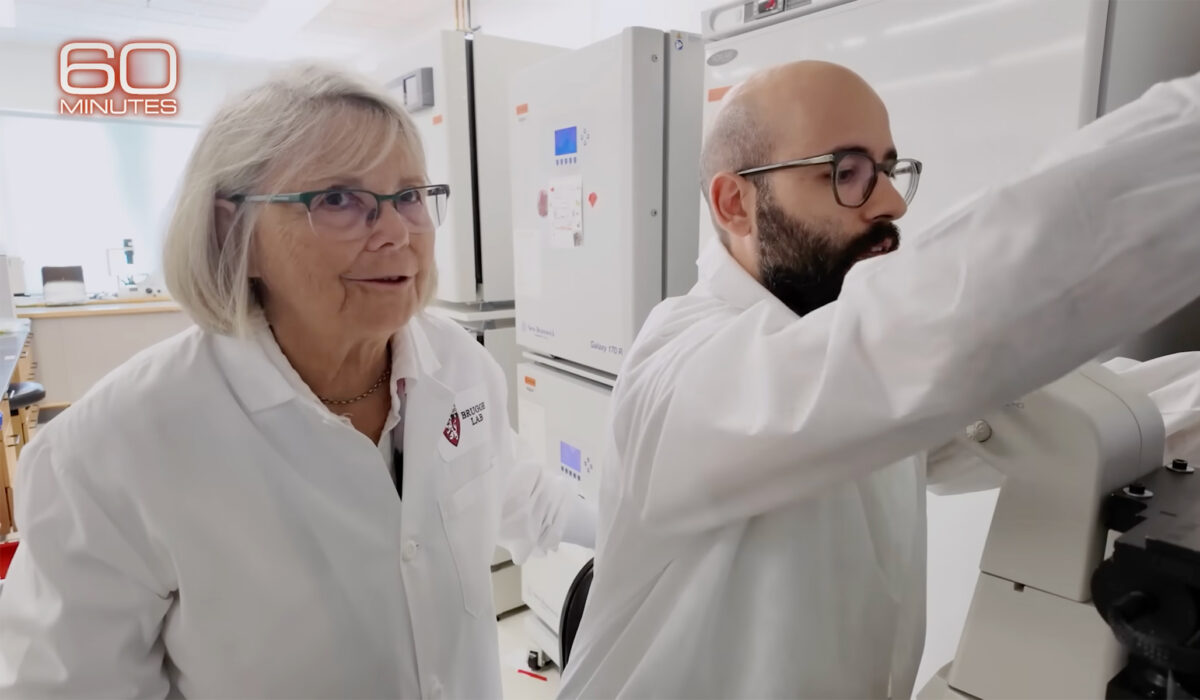
When PR Masks Science: A Close Look
“A recent segment was a sad attempt to cloak the shortcomings of academic science in hype, sentimentality, and public relations theater.” That blunt line nails the core problem: storytelling replaced scrutiny and spin walked over substance. When the frame matters more than the facts, viewers leave with feelings, not understanding.
Televised segments and feature pieces often favor an emotional throughline over technical nuance, and that helps sell airtime. Universities and research centers learn the value of a compact narrative and a sympathetic subject, and communications teams lean into that. The result is neat, moving clips that can gloss over uncertainty.
Hype has real consequences for public trust in science because it sets expectations the research rarely meets. When outcomes fall short, the public blames researchers rather than the process that packaged the claim. That cycle makes honest, incremental progress look like failure.
Academic incentives feed this pattern. Granting bodies, tenure committees, and media attention reward bold claims more than careful calibration. In that environment, crafting a compelling story becomes a professional skill, sometimes more valuable than methodological humility. PR-friendly framing then migrates into how results are presented outside of technical circles.
Short segments rarely show the caveats, caveats that are central to good science. Limitations, sample sizes, replication needs, and alternative explanations get edited out because they do not fit the emotional arc. Viewers walk away with certainty where there was none, and that distorts public understanding of how science actually advances.
Fixing the problem does not require less science, it requires clearer airing of what science can and cannot say at each stage. Reporters can push for plain disclosure of uncertainty and for access to methods and data, while institutions can resist the urge to dress preliminary work as a breakthrough. Transparency about what was done and what remains unsettled restores credibility more effectively than polished spin.
Journalistic responsibility matters here as much as the choices made in research offices. Reporters should treat press releases as starting points and ask for evidence, raw data, and independent perspectives before packaging a narrative. A stronger habit of skepticism will yield stories that inform rather than perform.
There is nothing dramatic about careful, incremental progress, but that is the true engine of reliable knowledge. If media and institutions stop substituting theater for explanation, audiences will get a clearer sense of both the promise and the limits of academic work. Honest reporting and honest research habits are the best antidote to hype.