

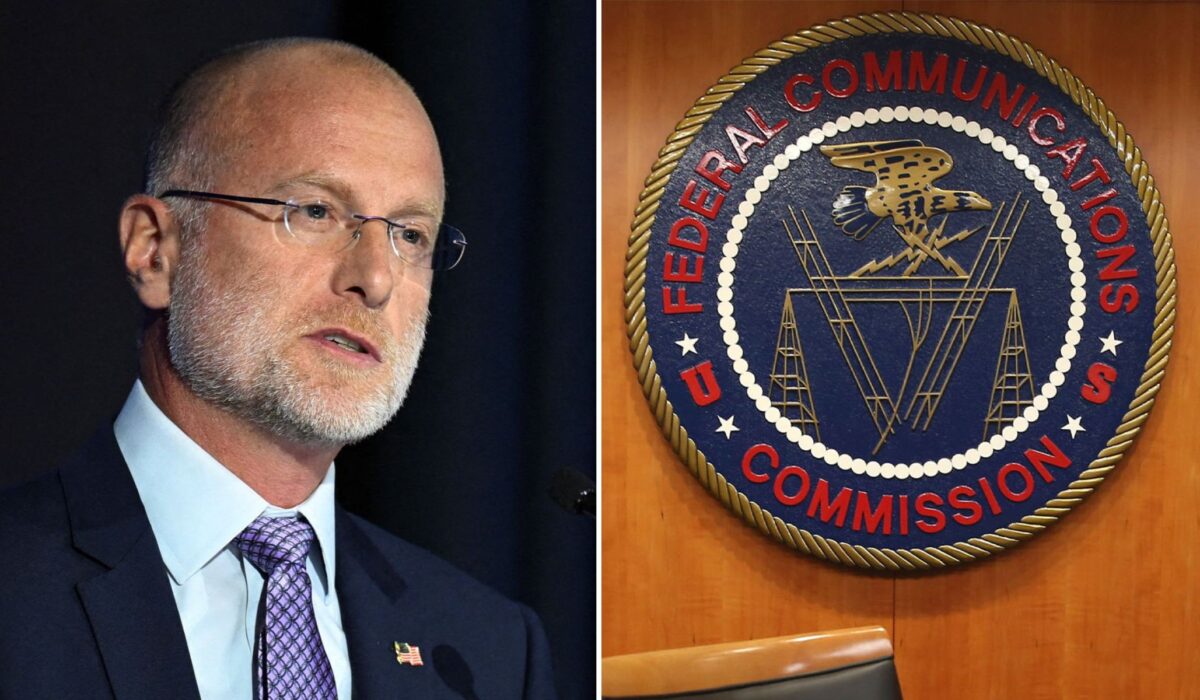
Keep Government Out of Broadcast Candidate Choices
Americans expect media freedom and fair access during elections, and that expectation should not be hollowed out by government rules. When regulators decide who can appear on broadcast television, they cross a line into political gatekeeping. Voters lose when an institution controlled by elected officials or appointed bureaus starts to pick winners and losers.
Broadcast spectrum is public property, but public ownership does not mean government should micromanage political speech. Local stations serve communities and should be accountable to viewers, not to regulators who might favor one viewpoint. Allowing bureaucrats to exclude candidates invites bias, intentional or accidental, into the heart of our civic conversation.
“Government should not be able to decide which political candidates must and must not appear on broadcast television.” That sentence captures a simple constitutional instinct: speech about public affairs belongs to the people, not to a licensing body. The First Amendment protects robust debate, including on the channels millions still watch.
There are practical risks when officials gain the power to regulate candidate appearances. Minor parties and insurgent voices can be squeezed out, shrinking the marketplace of ideas and depressing turnout. Once precedents are set for selecting speakers, those precedents tend to expand to other formats and platforms over time.
Some argue that oversight is needed to prevent chaos or falsehoods, and those concerns matter, but the solution should not be centralized control. Market incentives and community standards, along with transparent station policies, offer better ways to balance accuracy and openness. Independent oversight bodies that are insulated from politics are rare, and trusting regulators with so much discretion is risky.
We should also be realistic about how power works in media regulation. Agencies often reflect the priorities of whoever controls the White House or Congress, and rules intended to be neutral can be weaponized. To guard against capture, the default should favor fewer restrictions on political access, not more.
Protecting broadcast openness does not mean endorsing sloppiness or abuse; it means limiting the tools available to the state when those tools threaten democratic competition. Broadcasters can set reasonable technical and safety standards without policing political content. Civil remedies, public rebuttal, and competitive exposure are healthier corrective mechanisms than prior restraint.
Local journalism and community stations have a special role to play if we reduce regulatory interference. They are closer to voters and better placed to make judgment calls about which voices deserve air time, provided their decisions remain transparent. Encouraging diverse ownership and lowering barriers to entry will expand choices, rather than concentrating editorial power in Washington.
Ultimately, preserving open access to broadcast airwaves is about preserving trust in elections and in our institutions. When citizens believe the rules are tilted by regulators, skepticism grows and participation shrinks. A conservative view favors decentralizing decision-making and empowering voters and local media to decide who gets heard.
We can craft sensible policies that protect the public interest without handing sweeping censorship power to agencies. Keep political speech broad, keep government hands off speaker selection, and let debate thrive on the platforms communities trust. That approach best defends both liberty and a healthy electoral process.