

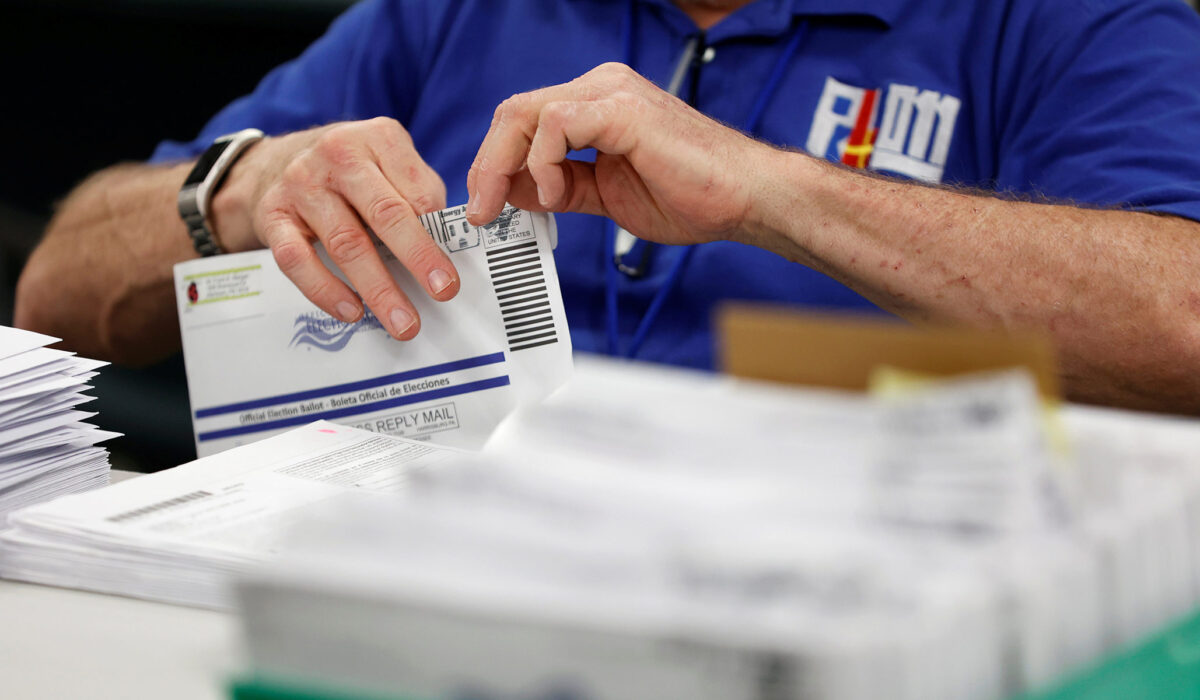
State-Run Elections: Why Administration Belongs to the States
Election administration has always been a core responsibility of the states, and it should stay that way. States are closest to voters and to the practical work of running elections, so they should set the rules and manage the mechanics. That arrangement reflects federalism and respects local variation in needs and practices.
Federal intervention in the details of running elections risks undermining accountability and muddying lines of responsibility. When Washington tries to standardize every step, voters lose a clear point of contact for problems and officials can shift blame. Republicans rightly worry that centralized control opens the door to one-size-fits-all mandates that ignore on-the-ground realities.
The Constitution and long-standing practice leave election mechanics to state and local governments, from ballot design to counting protocols. Local election officials, clerks, and county boards know their communities and the logistical challenges they face. Preserving that authority keeps decisions nearer to the people affected by them.
That said, state responsibility does not mean laissez-faire chaos. Clear, enforceable rules set at the state level provide consistency while allowing local officials to execute procedures effectively. Republicans favor straightforward rules that reduce confusion, limit arbitrage, and make it obvious who is responsible when things go wrong.
Practical safeguards are part of responsible state administration: chain of custody for ballots, transparent tabulation, timely reporting, and routine audits. Those measures give voters confidence that results reflect actual ballots and not process errors. Transparency and auditability are common-sense standards that both parties should support.
Technology can help but also complicates the work of election officials, so states must manage equipment choices and procurement carefully. Decisions about voting machines, software updates, and post-election forensic checks should stay under state oversight, where lawmakers and administrators can balance cost, security, and accessibility. Centralized federal mandates on specific technologies often fail to account for differing needs across jurisdictions.
Bipartisan oversight at the state level is a practical way to guard against partisan problems while keeping control local. When both parties participate in certifying procedures and results, the system gains legitimacy and reduces the chance of late, partisan challenges. Republicans support safeguards that make elections fair and understood, not ones that hand control to distant bureaucrats.
Protecting voter access and preserving election integrity are not opposing goals; they work together when state officials set clear rules and enforce them consistently. State-run administration allows flexibility to expand access where appropriate while maintaining the standards that protect the vote. That balance keeps elections honest and responsive to citizens’ needs.
Keeping election administration in state hands also keeps accountability visible during disputes and crises. When issues arise, voters and their representatives know exactly which officials to question and which statutes to examine. That clarity is essential for public trust and for ensuring that every eligible vote counts the way the law intended.