

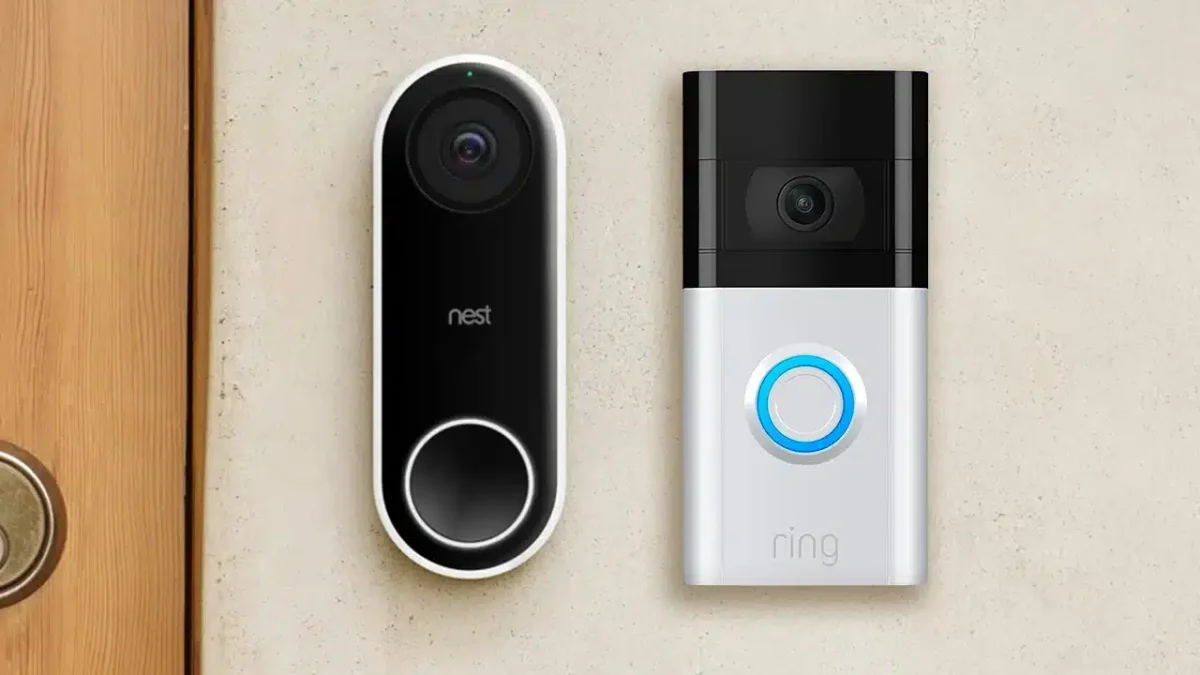
Ring, Nest and the Quiet Expansion of the Surveillance State
“Just a decade after a global backlash was triggered by Snowden reporting on mass domestic surveillance, the state-corporate dragnet is stronger and more invasive than ever.” If you have a Nest or Ring camera, join the thousands of others who are ditching them, if not destroying them outright. Don’t join the surveillance network! ⁃ Patrick Wood, Editor.
That the U.S. Surveillance State is rapidly growing toward ubiquity is clearer now than it was weeks ago. A handful of ordinary moments revealed how quickly benign devices can be repurposed into broad monitoring systems. The reaction has been loud and deserved.
Last weekend’s Super Bowl ad from Amazon thrust Ring’s newest ideas into the spotlight and into public outrage. The commercial centered on a feature called Search Party that promises to coordinate cameras to find a lost pet. Below is the ad embedded so readers can see exactly what triggered the backlash.
The pitch was emotional and effective, but the tech it revealed is invasive: upload a photo and the system will query other cameras to match and locate that image. What was sold as neighbor-helping-neighbor suddenly looked like a neighborhood-wide recognition sweep. Folks who bought Ring to watch their own door felt blindsided.
Amazon described the feature as opt-in, but that distinction barely calmed concerns about scale and mission creep. Privacy advocates warned this was just the start of a mode where cameras, AI, and facial or biometric tools can be used far beyond original promises. One group summarized the danger as a preview of a far broader biometric identification regime.
Viral clips of people removing or smashing their cameras illustrated how visceral the reaction became, and Amazon quickly cut a highly criticized partnership with a police surveillance firm. The move felt reactive, not reassuring, because the underlying capabilities remain in place. The episode exposed how little public debate there has been over these systems.
The alarm over Ring landed alongside another unsettling episode in Tucson involving a Google Nest user. In that case, officials said a free Nest plan would not store video long-term and that footage should have been deleted within hours, long after the missing person was reported.
Yet footage was later produced in the investigation, and the discrepancy raised immediate questions about who really controls data on these systems. FBI officials released stills tied to the case, forcing uncomfortable questions about cloud storage, user expectations, and corporate discretion. A cybersecurity expert captured the public’s unease when he said, “There’s kind of this old saying that data is never deleted, it’s just renamed.”
There are real benefits to modern monitoring tech, and many Americans accept trade-offs for convenience or safety. Still, the American ideal has long favored limits on state and corporate reach into private life. As one founding-era declaration put it: “Give me liberty or give me death.”
Beyond consumer cameras, corporate contracts and government programs are knitting more datasets into centralized systems, and certain firms have taken leading roles in that consolidation. One federal contractor has grown into a dominant force for handling massive domestic data sets and government analytics, drawing serious concern about power concentration.
It was only three years ago that we New York Times reporter Kashmir Hill about her new book, “Your Face Belongs to Us.” Her warnings about facial recognition and public tracking were stark then and look prophetic now. The growth of camera networks combined with increasingly capable AI makes the risk of ubiquitous tracking real.
AI itself brings another layer: systems that assemble dossiers and infer private details from sparse signals are no longer hypothetical. Personal experience with a major AI service showed it compiling oddly complete profiles and offering unnerving, unsolicited observations. At one point it “commented, somewhat judgmentally or out of feigned ‘concern,’ about the late hours I was keeping while working,” language that made the technology’s reach feel personal.
These developments have unfolded while public attention has wandered from earlier scandals about mass surveillance. The Snowden revelations sparked debate for a time, but the machinery of surveillance adapted and moved forward. Now the same tools live in our homes, pockets, and on the streets, and they deserve a far clearer national conversation about limits and rights.
https://x.com/systemupdate_/status/1712828792320778590