

Melding Creed and Culture: What American Identity Demands
When it comes to American identity, creedalism and culture aren’t mutually exclusive. Indeed, they must be melded. That union is the central test of a healthy republic because words on paper only survive when people practice them.
Creedalism gives America its guiding principles: liberty, equality before the law, and individual rights secured by a written Constitution. These are not vague ideals but specific commitments that shape institutions and public expectations. A nation that forgets its creed loses the compass that steers civic life.
Culture supplies the living habits that translate those commitments into daily behavior, from civic rituals to voluntary associations that bind citizens. Language, shared stories, and public education are all cultural mechanisms that make abstract rights tangible. Without cultural reinforcement, creedal principles risk becoming slogans rather than standards.
Republicans insist that patriotic education matters because free institutions depend on citizens who understand both the founding texts and the moral assumptions behind them. Teaching the Constitution and the history that produced it builds the common knowledge necessary for self-government. This is not about indoctrination but about equipping people to participate responsibly.
Assimilation is often misunderstood as erasing difference, but in practice it is the process by which newcomers adopt public norms while contributing distinct talents. A stable civic culture absorbs diversity by converting it into legal and civic cooperation, not tribal fragmentation. That process requires firm but fair expectations from institutions and communities.
Law and order are essential when culture and creed pull in different directions; the rule of law enforces the rights and duties the creed declares. Courts, legislatures, and local institutions must apply laws consistently to sustain trust across cultural divides. When laws are neutral and enforced reliably, citizens can negotiate cultural differences without fearing arbitrary power.
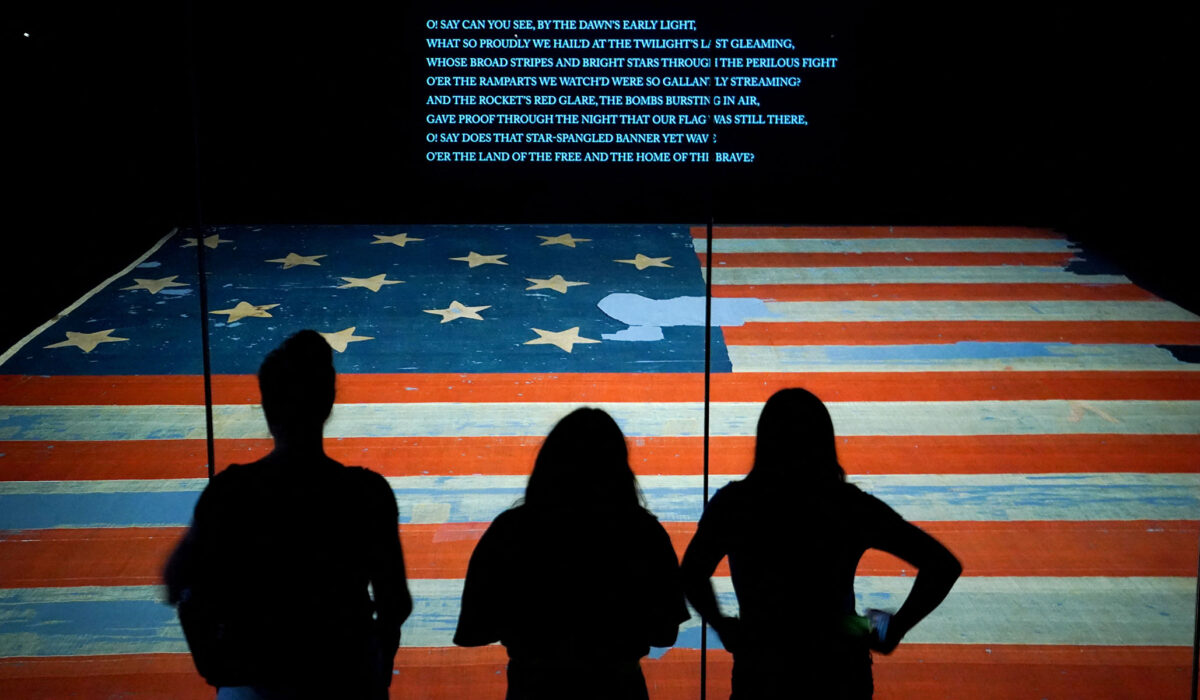
Public symbols and ceremonies matter because they reinforce the narrative that holds diverse people together under one political identity. Flags, oaths, and national holidays are civic cues that remind people what they have in common. These practices help bind a plural society into a functioning polity.
Economic opportunity is another cultural engine that sustains the creed by rewarding the virtues a free society prizes, like work, thrift, and innovation. When markets are open and rules are predictable, individuals have incentives to invest in their families and communities. A thriving middle class is the social bedrock of civic stability.
Community institutions such as churches, schools, and civic clubs translate creedal commitments into habits of reciprocity and service. They are the laboratories where civic virtue is learned and transmitted across generations. Supporting these institutions does not mean state control, but encouraging the social infrastructure that makes citizenship meaningful.
Immigration policy should reflect the need for both openness and integration, allowing new Americans to contribute while ensuring they accept core civic norms. Prioritizing legal pathways and enforcing borders are compatible with a generous civic spirit that welcomes those ready to adopt the creed. Policy that ignores either enforcement or assimilation risks eroding the shared identity that underpins the republic.
Maintaining a stable American identity requires steady institutions, robust civic education, and cultural practices that reinforce constitutional commitments. The creed sets the destination, and culture builds the road that gets us there. When both work together, the experiment of self-government remains viable and vibrant.