

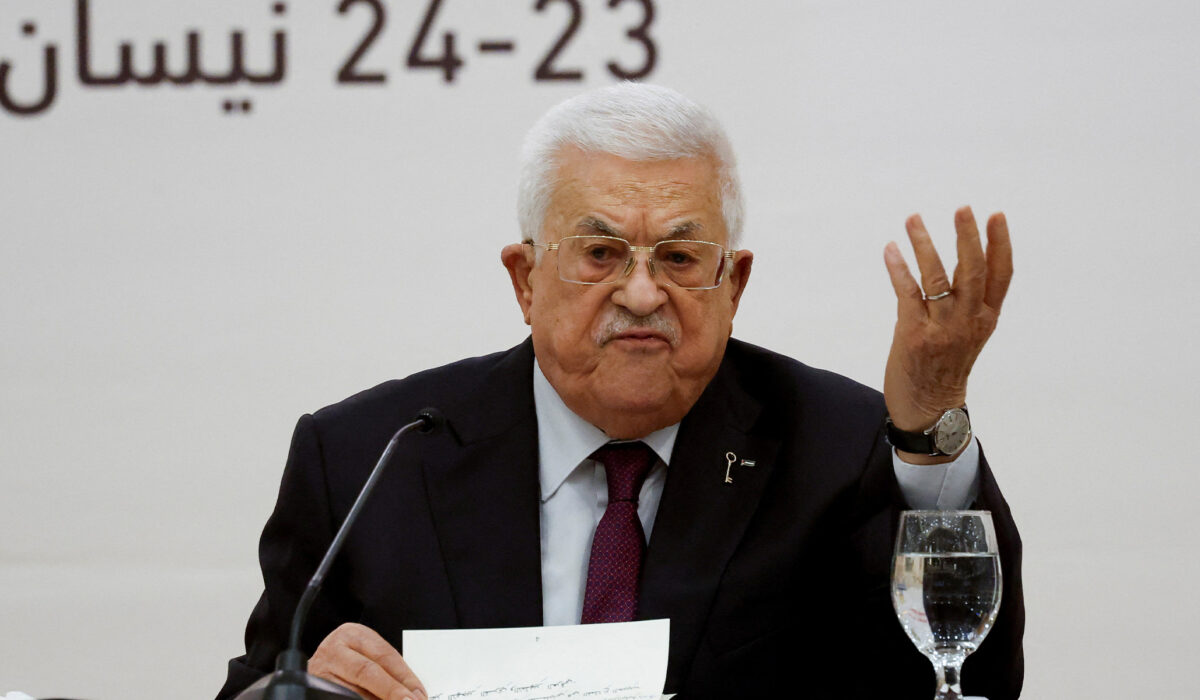
Lawsuit Seeks an End to PA Payments to Terrorists and Their Families
American victims of terrorism have launched a lawsuit to stop the Palestinian Authority’s practice of paying cash to murderers and their families. The suit aims to cut off what plaintiffs call a state-sponsored incentive for violence and hold accountable those who benefit from it. This legal move seeks to stop the payments “once and for all.”
The practice at issue sends monthly stipends to individuals imprisoned for attacks and to families of those killed during attacks. Critics argue those payments function as a reward system for terrorism, turning tragedy into a financial benefit for perpetrators. Supporters of the lawsuit say the payments are not a benign welfare program but a direct subsidy for violence.
Plaintiffs in the case are U.S. citizens and their families who suffered loss or injury from attacks linked to the same system that provides those stipends. They claim the payments are funded and authorized through the Palestinian Authority’s institutional budget and that foreign policy actions and financial transfers facilitate the scheme. The suit seeks damages and an injunction to stop future payments.
Legally, the complaint leans on existing statutes that bar material support for terrorism and allow civil suits against entities that enable or benefit from violent acts. Plaintiffs argue the PA’s policies are not private acts but public, institutional decisions that translate into clear financial incentives. The case tests whether courts will treat those payments as actionable under U.S. law when Americans are victims.
Beyond legal theory, the story is about accountability. Families of victims remember the immediate human cost: funerals, hospital stays, and a lifetime of loss that no payment can fix. For them, the lawsuit is practical: if the payments stop, there is less reason for new attackers to be celebrated and rewarded.
From a policy standpoint, the implications reach U.S. foreign assistance and diplomatic posture. Lawmakers who back the suit contend that American funds and diplomatic engagement should never indirectly sustain a system that compensates killers. The case strengthens the argument for conditioning aid and enforcement of anti-terror financing rules.
Politically, the issue has clear resonance with conservative principles: defend innocent citizens, deny incentives for violence, and hold rogue actors responsible. Republican lawmakers are likely to push for stronger measures that tie financial pressure to behavioral change by authorities who enable terrorists. The lawsuit could be a catalyst for broader congressional action on funding and sanctions.
Courtroom outcomes are uncertain, but the litigation raises questions about moral clarity and legal responsibility. If the plaintiffs prevail, it would mark a legal recognition that payments to those who commit or celebrate terrorism cannot hide behind bureaucratic labels. Regardless of result, the case forces the public and policymakers to confront whether any state practice should tolerate paying for murder.