

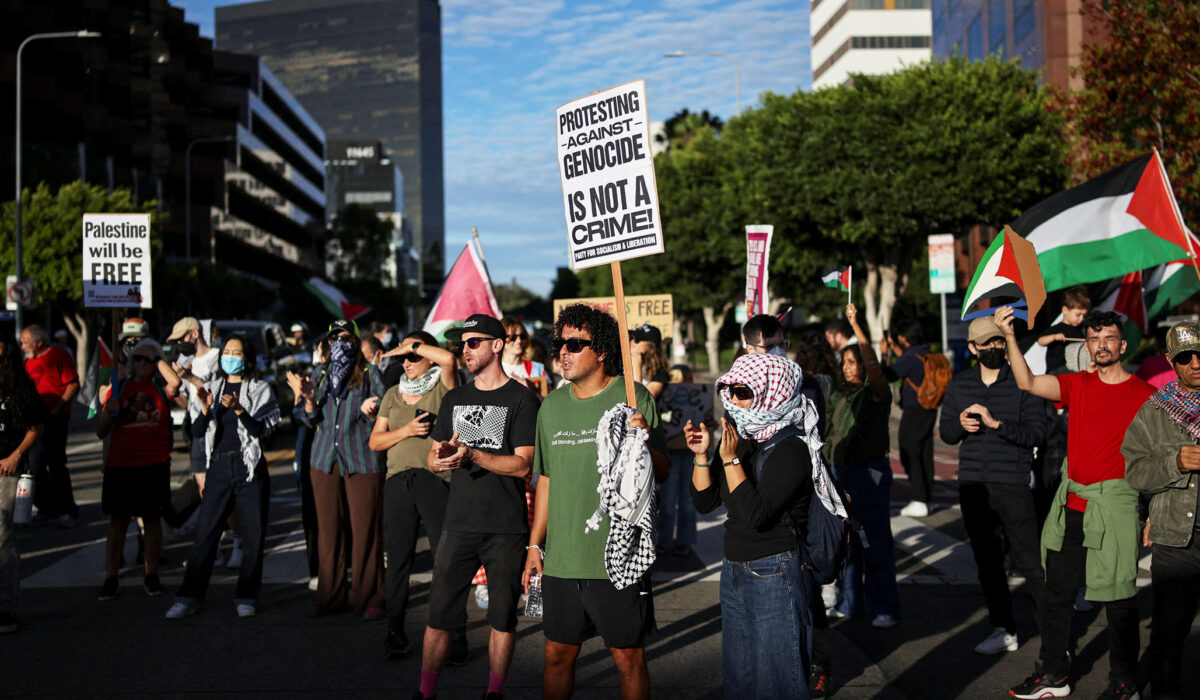
When Facts Don’t Matter: How Anti-Israeli Activism Ignores Evidence
“Anti-Israeli activists have never had much use for factual evidence — why start now?” That line hits the core complaint plainly and it’s worth treating as a starting point for the rest of the conversation. Too often, outrage replaces inquiry and slogans crowd out sources.
Across campuses and online, activists trade narratives that feel righteous but skip the hard work of verification. They rely on emotion to win hearts and on selective stories to shape public opinion. In a functioning debate, facts should be the lifeblood, not an optional garnish.
Part of the problem is incentives: dramatic claims attract attention and donations, while nuanced explanation does not. Organizers know this and use it to their advantage, which makes activism a messaging exercise more than a fact-finding mission. That dynamic distorts what it means to advocate responsibly.
Media outlets play a role by amplifying the loudest voices without always checking context or sourcing. When headlines prioritize viral outrage over careful reporting, public understanding suffers. Coverage choices matter because they shape what millions accept as truth.
Civic institutions face pressure to respond quickly to viral movements, and that often leads to rushed decisions. Universities, employers, and municipalities sometimes act on partial narratives to avoid controversy, not because they have confirmed wrongdoing. Those defensive moves can punish the innocent and fuel further polarization.
That polarization then hardens into policy positions that are more symbolic than practical, offering the comfort of moral clarity without the utility of strategic thinking. Lawmakers who chase headlines instead of evidence risk passing measures that look meaningful but solve little. Smart governance requires measurable outcomes, not just moral posturing.
There’s also a strategic cost for causes that depend on overstated claims: credibility erodes. When a movement consistently stretches or ignores facts, it alienates fence-sitters and energizes opponents. Lasting support comes from trust, and trust comes from transparency and accuracy.
Critics will say institutions themselves are complicit, and sometimes they are, especially when bias colors judgment. But calling out bias should rely on meticulous documentation, not matching accusations with louder accusations. Substance beats spectacle every time.
Supporters of Israel, like any other concerned group, should demand rigorous standards of evidence from allies and opponents alike. Making a persuasive case means showing proof, linking policy to outcomes, and engaging adversaries on a level playing field. Anything less hands the moral high ground to those willing to trade nuance for noise.
The public deserves straightforward debate built on verifiable facts and clear logic, not a steady diet of emotionally charged assertions masquerading as truth. If activism aims to influence policy, it must be accountable to scrutiny and open to correction. Without that, advocacy becomes theater rather than a force for responsible change.