

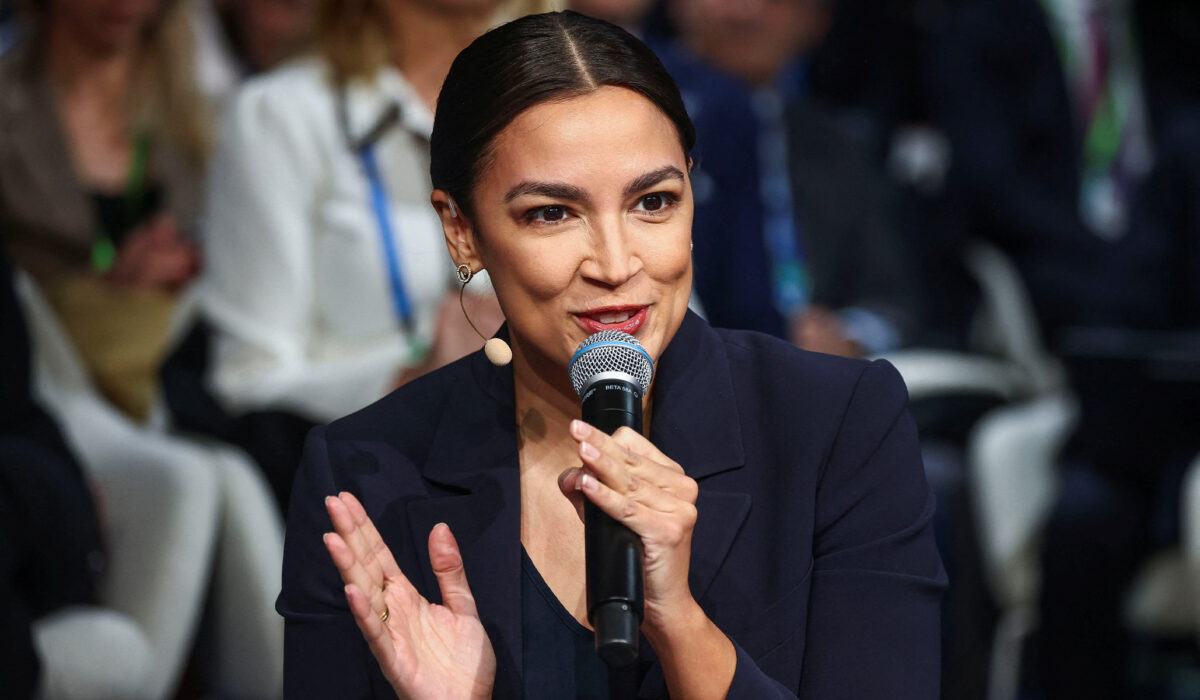
AOC at Munich: A Rising Brand, Not a Serious Voice
Alexandria Ocasio-Cortez showed up at the Munich Security Conference with the kind of celebrity energy that gets headlines, but that same energy does not equal substance on matters of defense and diplomacy. Plenty of people market themselves as rising stars, yet the test in Munich is whether you can handle complex, high-stakes conversations without turning them into a performance. Too often her presence looked more like theater than the steady, practiced engagement those forums demand.
Conferences about security require a clear grasp of strategy, alliances, and deterrence, not just loud sound bites. When a representative focuses on optics and applause lines, it signals inexperience to partners and adversaries alike. That kind of surface-level approach can make it harder for American negotiators who need credibility and consistency behind them.
On substance, genuine leadership listens to experts, weighs tradeoffs, and recognizes hard choices, even when those choices are unpopular in the moment. The pattern with performative politicians is quick reactions and viral moments rather than long-term policy work. At Munich, where policymakers and military leaders converge, depth matters more than dramatics.
There is a difference between passion and preparation, and too often passion without preparation comes off as unserious. Critics on the right see that gap as a real liability because careless commentary in global forums can be amplified by rivals. America’s security posture depends on disciplined rhetoric and measured proposals, not impulsive declarations designed for social feeds.
Beyond optics, there is the issue of priorities. Serious delegates focus on how to strengthen alliances, reassure partners, and present coherent deterrent policies. Performative gestures rarely build trust across governments that rely on steady American resolve. When someone treats a security conference like a stage, it undercuts the work others do at the table every day.
From a Republican standpoint, representation in international venues should be about advancing U.S. interests and preserving peace through strength. That means avoiding ideological posturing that complicates coalition building or hands talking points to adversaries. Lawmakers who want to influence global affairs need to demonstrate discipline, competence, and respect for allies’ concerns.
There is also a domestic accountability angle. Constituents expect members of Congress to come prepared on foreign policy if they choose to weigh in on it publicly. If an elected official prefers spectacle to seriousness, voters have a right to question whether that person is the best messenger on national security. Responsible governance requires more than charisma; it requires judgment, study, and the ability to engage across divides.
At events like Munich, the optics carry consequences. Flippant or shallow interventions can create confusion about American priorities and open the door for opponents to exploit mixed messaging. The more consistent and grounded the U.S. message, the better chance allies and adversaries alike will take deterrence and diplomacy seriously.
What matters most is whether a public figure is ready to trade headlines for hard work in service of national interest. If the goal is influence and effective policy, show up prepared, speak reliably, and build relationships that outlast applause. Those are the kinds of habits that sustain credibility in international affairs and protect American security.