

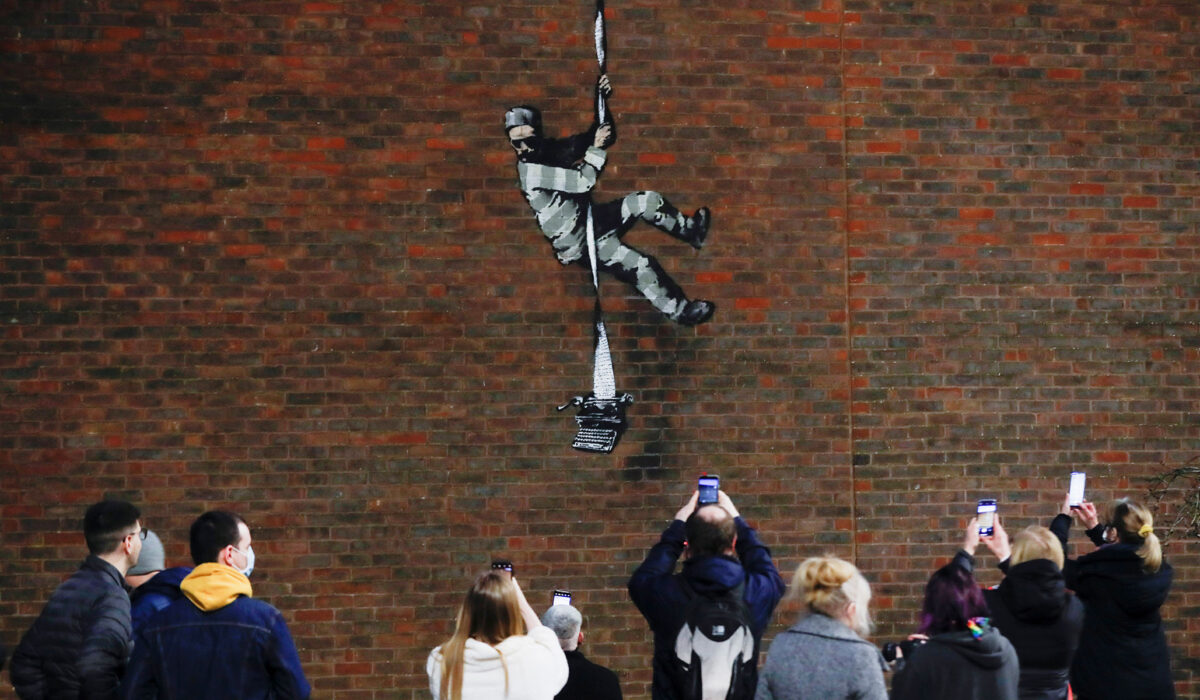
Vandalism vs. Street Art: When Fame Doesn’t Excuse Crime
Vandalism shouldn’t get a free pass because the guy with a spray can is a famous artist. That line captures the tension around street art: admiration on one side, property damage on the other. It’s a conversation about creativity, consent, and consequences.
Property owners and communities bear the immediate cost when paint appears overnight on a wall that wasn’t agreed upon. Repairs, cleaning, and reduced curb appeal translate into real dollars and lost time for residents and businesses. Those practical impacts matter whether the marks are seen as art or simply unwanted defacement.
Local law treats unauthorized painting as a legal issue because property rights exist to protect owners from unexpected changes. When art is painted without permission, the result is the same as any other damage: someone must decide whether to pursue charges or seek restitution. That choice is a civic one, tied to enforcement priorities and public sentiment.
Public reaction often depends on who made the piece and where it appears. A mural commissioned for a community center will usually be embraced, while a tag on a private storefront will not. Context changes perception, and perception shapes how authorities and neighbors respond.
The cultural value of street work is real, and some artists have pushed public conversations forward by working openly and with permission. But history also shows high-profile names leaving behind work that communities did not ask for. Fame can bring attention and complicated debates, but it does not nullify the impact on property owners.
There are practical differences between commissioned murals and illegal tagging that matter for policy. Commissioned work is negotiated, insured, and often maintained; illegal painting bypasses all of that. Cities that value public art can support legal avenues so artists don’t feel forced into illicit work to be seen.
Law enforcement responses vary: some cities crack down hard on crews and repeat offenders, while others prioritize mediation, cleanup programs, or diversion to community service. Restorative approaches can repair harm and channel artistic energy without ignoring the legal boundary. Enforcement that ignores context risks alienating communities that want art but also want consent.
Designated legal walls, temporary permits, and community-backed mural initiatives create space for creative expression without collateral damage. When artists and property owners collaborate, the results can revitalize neighborhoods and reduce conflicts. Those partnerships also protect artists from legal risks while giving communities a voice in what appears in public view.
Critics who defend every unsanctioned piece because an artist is celebrated miss the point of consent and civic responsibility. The debate is not about silencing creativity; it’s about balancing freedom of expression with respect for others’ property. That balance is what keeps neighborhoods functional and culturally vibrant at the same time.
Ultimately, treating art and vandalism as separate categories with clear rules makes life easier for artists, residents, and officials. Clear permitting systems, accessible legal spaces, and sensible enforcement can preserve creative energy without letting fame become a free pass for damaging property. Communities that care about both art and order can find practical solutions that respect creators and owners alike.