

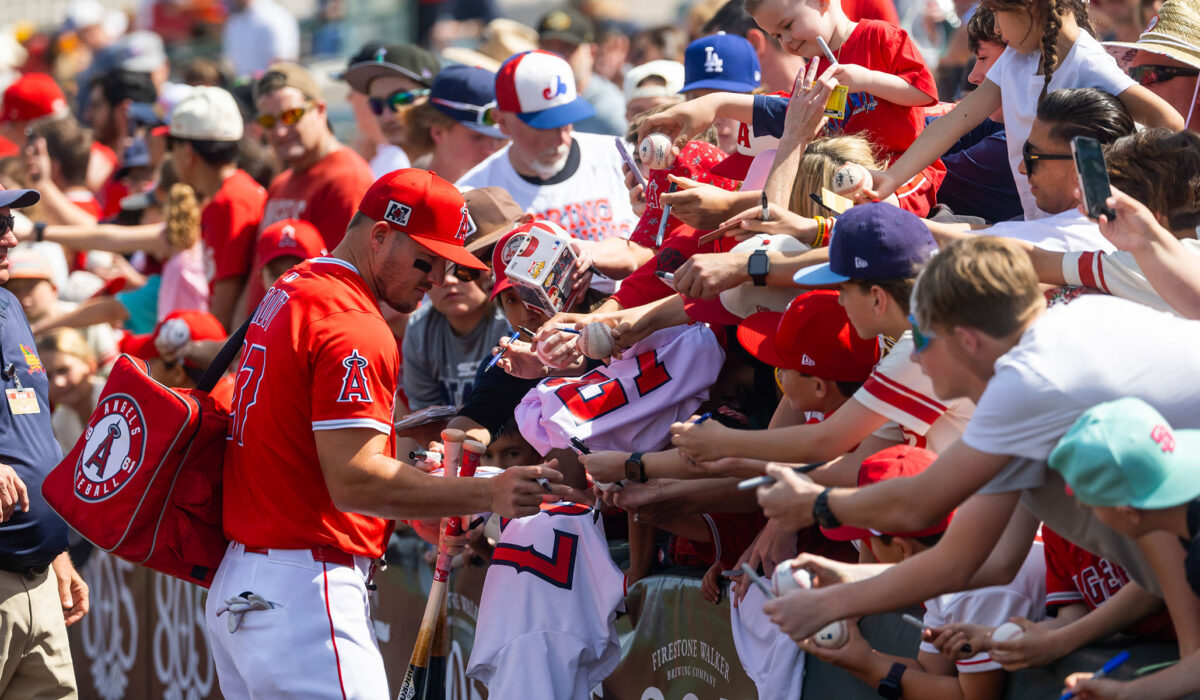
Baseball’s Bounce Back: Why the Game Is Connecting with a New Generation
Baseball has been reshaping itself to fit modern tastes while holding onto the parts fans love most. Teams and leagues are experimenting with pace, presentation, and tech to keep games feeling fresh without losing tradition. That mix of old and new is starting to pay off in attendance, social buzz, and youth interest.
The national pastime continues to regenerate itself and excite younger fans.
Part of the shift is aesthetic and practical: shorter breaks between innings, clearer on-screen stats, and faster replay protocols make broadcasts easier to watch. Ballparks are leaning into experiential upgrades like diverse food, family zones, and interactive displays that appeal to casual attendees. When you combine those changes with stars who are themselves social media savvy, the product becomes more inviting to people who didn’t grow up with baseball around the clock.
Analytics and scouting have also evolved to spotlight different player skills, not just batting average or wins. Defensive metrics and pitch framing have given teams new ways to evaluate talent and craft rosters that play dynamic, outcome-focused baseball. Those strategies create on-field moments that are unpredictable and engaging, which helps hook fans who crave action and storyline.
Minor leagues and independent teams are doing a lot of the heavy lifting when it comes to community outreach and fan development. They experiment with promotions, themed nights, and local partnerships that feel personal and immediate. That grassroots energy seeps upward and influences how major teams approach marketing and game experience.
Streaming and social platforms have been a game changer for exposure, especially among younger viewers who rarely tune into linear TV. Short clips, highlight packages, and behind-the-scenes content make it easier to follow narratives and personalities without committing to entire games. The ability to sample moments and then dive deeper creates a pipeline from curiosity to fandom.
Youth programs and youth-focused partnerships have ramped up too, offering clearer paths from little league to college and pro levels. Clinics, improved facilities, and affordable access help build skills and loyalty in ways that feel tangible to families. When kids can see themselves in the game and meet role models in person, that connection grows fast.
Merchandise and player branding have shifted to reflect wider tastes, blending streetwear aesthetics with classic team logos. Players who build distinct personal brands—on and off the field—bring new audiences to the stands and to team channels. That crossover culture creates fresh revenue streams and amplifies the sport across different cultural scenes.
Rule tweaks and league initiatives keep the conversation lively and show a willingness to adapt when needed. Not every experiment sticks, but the willingness to test ideas signals that baseball wants to be relevant to more people. That iterative approach, combined with deep-rooted tradition, gives the sport a unique advantage in holding onto longtime fans while inviting new ones.
Instead of overhauling what made the game special, the trend has been to polish and present it differently. Fans still come for the crack of the bat and the feel of a summer night, but now they leave with more ways to engage and more reasons to return. The result is a sport that feels both familiar and newly alive for the generations coming up behind us.