

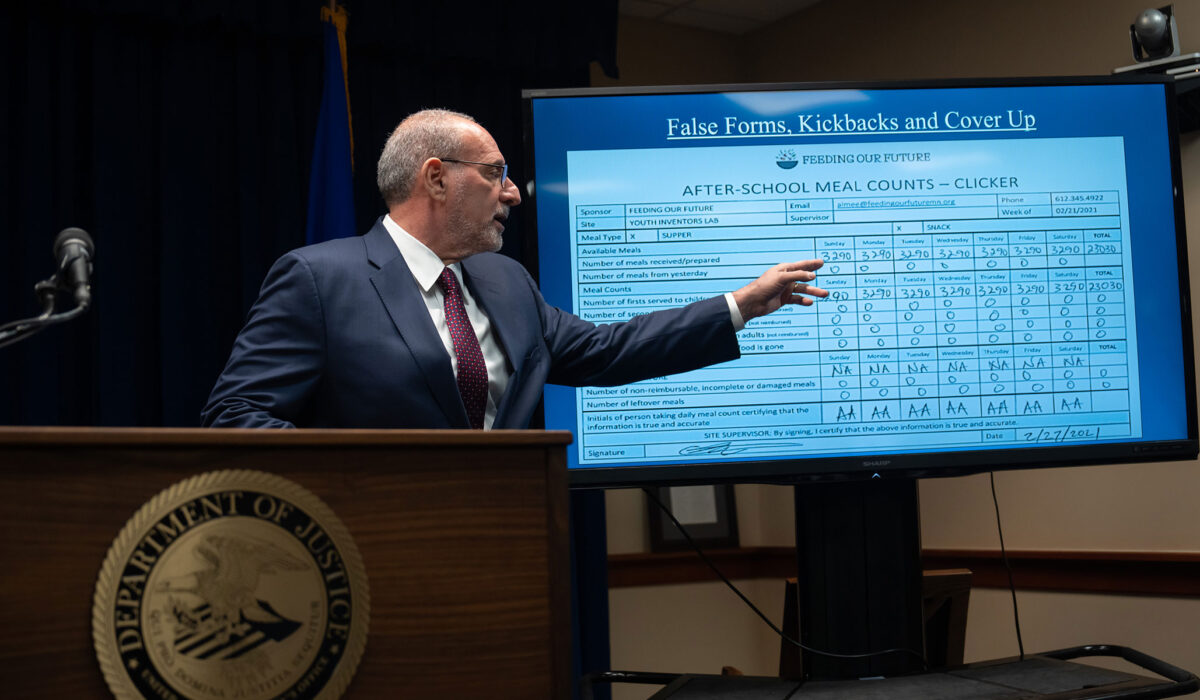
Billion-dollar fraud tied to the Somali diaspora and why it matters
The billion-dollar fraud scheme based out of the Somali diaspora community has implications beyond dollars and cents. It touches money flows, trust networks, and civic life in ways that ripple across borders. That scope forces us to look past headline figures and at the human and institutional fallout.
At the most obvious level, a fraud of this size distorts economic signals and drains resources that would otherwise circulate through legitimate channels. Remittances, donations, and small business transactions can all be disrupted when part of the system is siphoned off. For communities that rely heavily on cross-border transfers, even modest leakage can have outsized effects.
Financial institutions and regulators feel the impact next. Banks facing exposure must tighten compliance, raise costs, and sometimes cut services to entire communities deemed high-risk. Those defensive moves can make it harder for everyday people to access basic banking and for legitimate money to move efficiently.
Reputational damage hits the diaspora directly. When criminal activity is linked to a defined community, public perception can shift quickly from nuance to stereotype. That stigma affects employment, housing, civic trust, and the willingness of outsiders to partner with community organizations.
Nonprofits and charities tied to the Somali diaspora risk increased scrutiny that makes fundraising and aid delivery more cumbersome. Regulators and donors demand more documentation, audits, and oversight, which are costly and time-consuming. The net effect can be fewer resources reaching vulnerable people who rely on those services.
Law enforcement and international cooperation must adapt to the transnational character of such schemes. Cross-border investigations require mutual legal assistance, data sharing, and careful balancing of investigative needs with rights protections. That coordination can be slow and imperfect, leaving gaps that criminals can exploit.
Policy responses run a narrow line between preventing abuse and preserving civil liberties. Enhanced anti-money-laundering measures and stricter know-your-customer rules can reduce opportunities for fraud but also risk excluding ordinary remitters. Policymakers must design rules that block criminals without cutting off lawful economic activity.
Technology plays a dual role: it can enable sophisticated fraud but also offers better tools to detect it. Digital payments, encrypted messaging, and cross-border platforms can be misused to hide flows, yet the same systems produce audit trails and metadata that investigators and compliance teams can leverage. Thoughtful deployment of analytics and privacy-respecting monitoring can improve detection without blanket discrimination.
Community engagement matters more than ever in responses to large-scale fraud. Local leaders, financial institutions, and regulators working together can build transparency, restore trust, and create safeguards that fit cultural and economic realities. Those cooperative efforts help isolate bad actors while preserving legitimate channels for remittances, entrepreneurship, and charitable work.