

Social Media and Children: Why Lawmakers Need to Step In
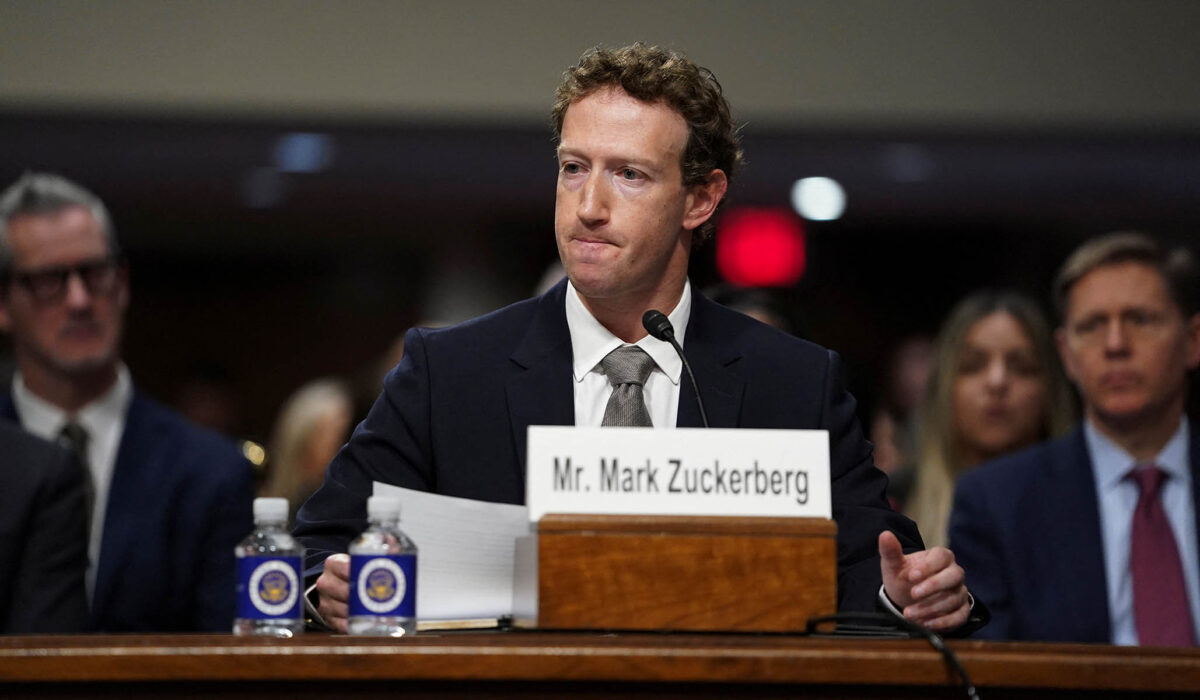
Social media may be toxic for children, but it is up to legislatures to debate what to do about it. Parents, teachers, health experts and lawmakers all see the same signals: rising anxiety, disrupted sleep, and exposure to content kids aren’t ready for. That consensus pushes the issue into the public square rather than leaving it solely to platforms.
Platforms were designed to capture attention, and those design choices affect young brains differently than adults. Features like infinite scroll, personalized feeds, and reactive metrics reward engagement in ways that can encourage compulsive use. Understanding the mechanics is essential for any policy conversation.
Evidence is mixed on some points, but several studies link heavy social media use with depression, low self-esteem and trouble sleeping for adolescents. Researchers highlight the cumulative effect of comparison culture and cyberbullying, not just isolated incidents. Policymakers need to weigh those health signals alongside freedom and innovation.
Legislatures face a range of options: age limits, stricter privacy rules, transparency mandates, and rules about persuasive design. Each choice has trade-offs—age verification raises privacy concerns, and content controls bump up against free expression. The debate should be technical, public and iterative.
Privacy protections matter because children generate uniquely sensitive data that can be used to target them. Limiting data collection for minors and banning profile-building techniques would reduce commercial incentives to maximize their attention. Those moves would shift industry incentives without trying to rewrite the internet overnight.
Age verification is tempting as a simple fix, but it is hard to do well without creating new vulnerabilities. Requiring parental consent can work in some cases, yet it relies on engaged, informed caregivers who may not always be present. Lawmakers should consider layered approaches that combine verification with reduced data collection and default safety settings for younger accounts.
Transparency rules can help the public and regulators understand what platforms are doing behind the scenes. Regular disclosure about algorithms, recommendation logic and moderation policies would equip parents and researchers to make better decisions. Transparency doesn’t solve every problem, but it raises the bar for accountability.
Education and support must accompany any legal changes, because rules alone won’t stop harm. Schools and pediatricians can teach digital literacy and coping strategies, and clinicians need funding to study long-term effects. Building resilient kids is part of a comprehensive response.
Industry responsibility is another piece of the puzzle: platforms can and should implement stronger default protections for underage users. Examples include limiting direct messaging for teens, turning off public profiles by default, and offering simple, prominent tools to control screen time. Those are practical steps that can be adopted without new statutes, but legislation can standardize best practices.
Any law should be clear about metrics and enforcement so it’s not just aspirational. Independent audits, short feedback cycles and sunset clauses encourage adjustments as evidence accumulates. That structure keeps the policy flexible and focused on outcomes rather than slogans.
At the center of this debate is a simple question: how do we protect children while preserving the benefits of digital connection? The answer will require compromise, research and public debate, with legislators playing the lead role in setting the boundaries. What emerges should be practical, enforceable and subject to honest review as technology evolves.
Comments 1
Author
Hi! I’ve been reading your blog for a while now and finally got the courage to go ahead and give you a shout out from
Houston Texas! Just wanted to tell you keep up the excellent job!