

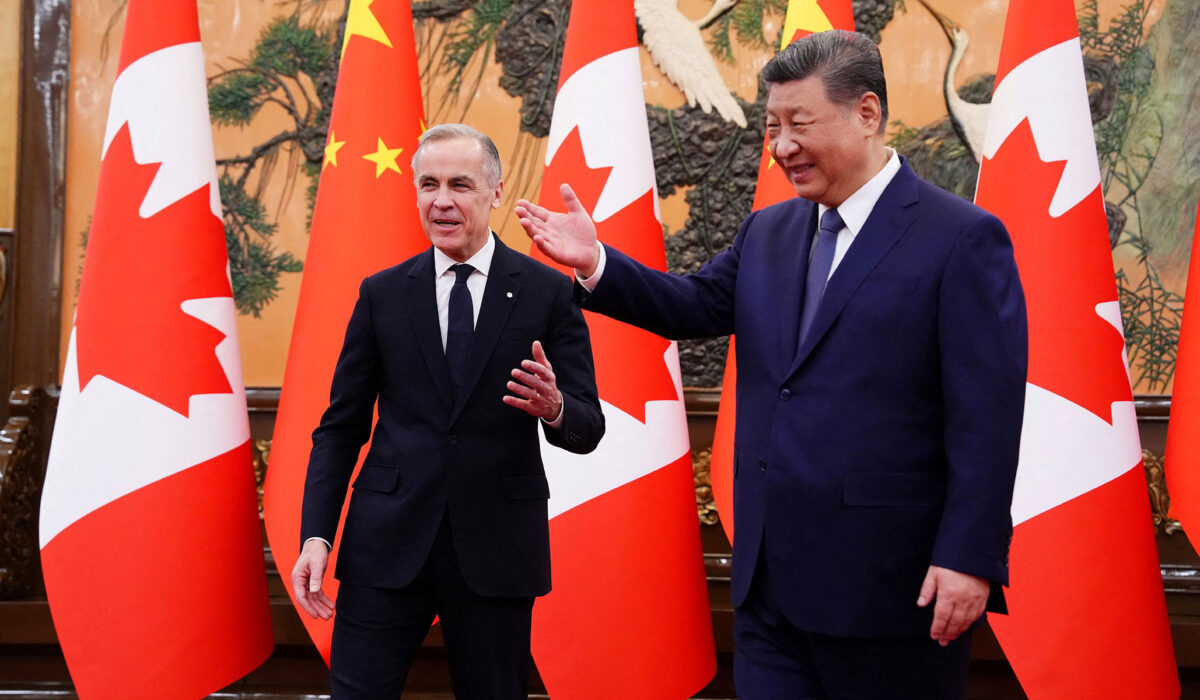
When Pride Meets Policy: Mark Carney and the Country’s Long-Term Interest
We understand why Prime Minister Mark Carney’s pride has been wounded, but we urge him to think harder about the long-term interest of his country. That sentence captures a moment when temperament and responsibility collide, and it deserves plain attention. Pride can cloud judgment, and leaders owe more than a defensive posture.
Carney has a long résumé in central banking and finance, and his instincts come from that world. Experience matters, but it is not a substitute for political judgment about national priorities. Elected leaders and senior advisers must balance technical fixes with the public’s appetite for independence and security.
From a Republican viewpoint, sovereignty and economic resilience are non-negotiable. Markets do best with predictable rules, fiscal restraint, and clear national strategy rather than headline-driven pivots. When officials put pride or prestige ahead of practical policy, the risk falls on ordinary families and future taxpayers.
International relationships are important, but they should be negotiated from a position of strength. That means clear-eyed assessments of trade, capital flows, and strategic dependencies. We cannot let diplomatic bruises or short-term optics dictate policies that reduce our economic autonomy.
Fiscal discipline is a central concern for long-term prosperity. Running high deficits or assuming permanent external financing invites vulnerability to external shocks. Responsible budgets, targeted investment in growth sectors, and a focus on productivity are better legacies than symbolic victories.
Monetary policy should support stability rather than serve as a political prop. Central bankers and policymakers must resist the urge to engineer outcomes that look good in press conferences but worsen long-term distortions. The priority is durable growth, low inflation, and a predictable environment for business and savers.
Energy and critical supply chains deserve special attention in any sober national strategy. Dependence on unreliable partners creates leverage that can be used against national interests. Securing domestic capacities and diversifying sourcing are pragmatic steps that reduce future diplomatic friction.
Public trust erodes when leaders appear to put personal pride above collective interest. Transparent explanations, clear metrics of success, and accountable timelines build confidence. Policy wins that matter will be those that improve living standards and protect liberty, not those that soothe an ego.
Practical reforms often require hard choices that aren’t popular in the moment. That is why leadership matters: to make the case for sacrifice today to secure prosperity tomorrow. If pride must be set aside, let it be for policies that preserve freedom, opportunity, and national strength.