

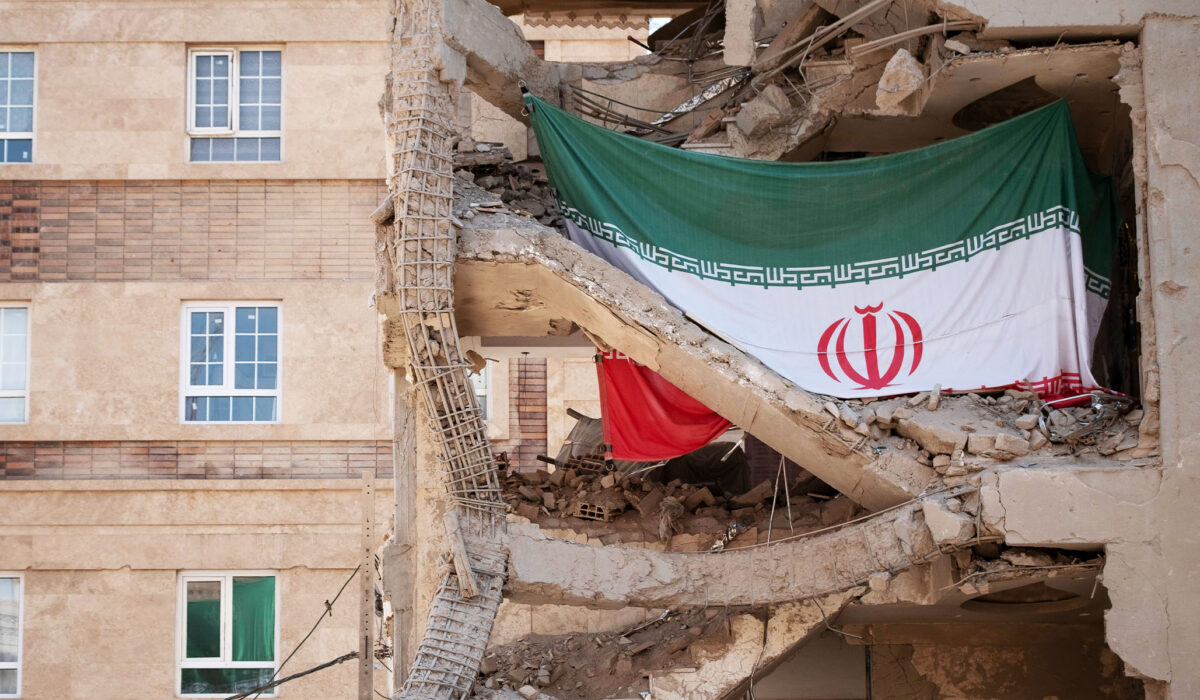
Cease-Fire Is Temporary, Regime Change Remains the Goal
We have a pause in the fighting, but a pause does not mean an end. This break gives political and military actors a chance to regroup, rearm, and lobby for their next moves. The real question is what comes after the quiet.
There’s a cease-fire for now, but there won’t be an end to the larger war until the Islamic Republic falls.
This statement is blunt because the facts are blunt. The regime in Tehran is not merely a player in a local dispute, it is a driving force behind years of regional aggression and proxy warfare. Until the structures that fund and direct those networks are dismantled, calm will be temporary.
A Republican view treats this moment as both a test and an opportunity. America should not trade long-term security for short-term silence, and we should be clear that a stable peace requires more than signed papers and televised handshakes. Pressure, sanctions, and support for opposition forces must all be part of a coherent plan.
Military advantage matters, but so does political clarity. If U.S. policymakers and allies accept a cease-fire as an endpoint, they risk locking in the regime’s gains and legitimizing its tactics. A durable outcome needs the regime weakened in influence and capacity, not rewarded for bad behavior.
The regional map will keep shifting unless the core sponsor of instability is addressed. Iran’s network of proxies spreads its reach and complicates any local peace. Neutral observers can see that side deals and piecemeal agreements simply let Tehran breathe while its apparatus rebuilds.
On the diplomatic side, allies and partners must be coordinated and firm. Pragmatism means using every tool of statecraft, not abandoning leverage when the fighting pauses. That means keeping sanctions ready, tracking illicit finance, and blocking arms transfers that prop up proxy groups.
Domestic politics will matter in Washington, and rightfully so. Leaders should explain plainly to the public why settling for a temporary truce is dangerous and what the alternative looks like. The goal is to build durable consensus for policies that weaken the regime and empower those who seek freedom.
There are risks in pushing for regime change, and honest debate is necessary about timing and methods. Still, tolerating a hostile theocracy that arms militias and targets civilians is not a neutral choice, it is a strategic failure. Any plan for long-term peace must include pressure on the system that creates the problem.
This period of reduced violence should be used to assemble allies, tighten economic straits around the regime, and prepare support for dissidents on the ground. Quiet days are not a reward, they are a window to act with resolve and purpose. If policymakers seize that window, the next cease-fire could be different because the root cause is finally addressed.