

Non‑Cash Benefits Should Count in Poverty Measures
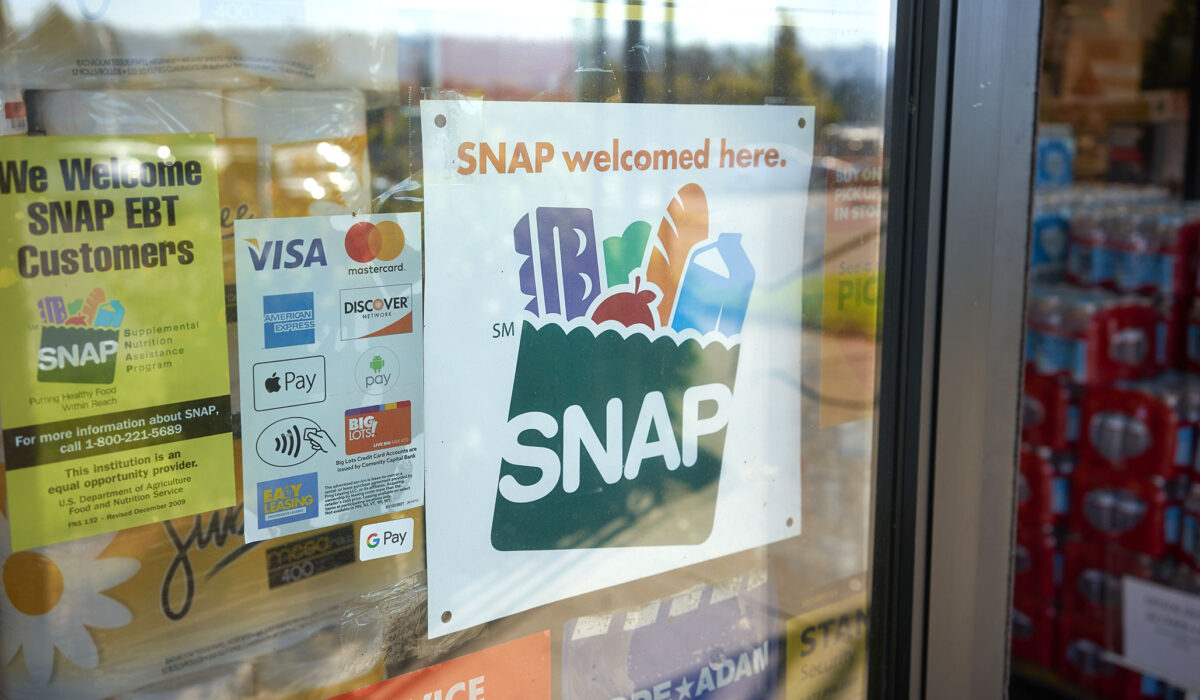
Non-cash benefits bring many Americans above the poverty line, and our poverty statistics should reflect that. When programs like SNAP, housing assistance, and health coverage lift families out of material hardship, our measurements ought to show real progress. Hiding those gains behind outdated accounting does a disservice to taxpayers and recipients alike.
Right now, official poverty figures focus mostly on cash income, which leaves out a large slice of the safety net. That narrow view understates the reach and effectiveness of targeted assistance while overstating raw need. Accurate data matters for honest debate about policy and budgets.
Counting non-cash aid gives voters and lawmakers a clearer picture of where resources are going and how families are faring. It also rewards smart program design that reduces hardship without encouraging dependency. Conservatives should insist on outcomes, not just spending lines.
Recognizing non-cash support encourages reforms that prioritize work and self-sufficiency alongside temporary help. Programs can be structured so benefits taper predictably as earnings rise, avoiding sudden cliffs that trap people on assistance. When measurement aligns with incentives, people have a fair shot at moving up.
Transparency is another big win from including in-kind benefits in poverty metrics. If we know which interventions actually reduce need, we can cut waste and redirect funds to what works. That fiscal discipline is exactly what taxpayers expect from responsible government.
Including non-cash aid also addresses regional differences in cost and access that cash-only measures miss. Housing assistance in a high-cost area, for example, has a very different impact than the same cash amount elsewhere. A better measure could factor these realities without overcomplicating the headline indicator.
Measuring benefits properly lets states innovate with targeted pilots and local flexibility. State-level experiments often find smarter ways to combine employment supports with short-term help. Conservatives should support that kind of laboratory federalism because it produces real policy learning.
At the same time, better measurement must be paired with safeguards against fraud and mission creep. Non-cash programs should be tightly focused on need and time-limited where appropriate. Oversight keeps trust intact and protects dollars for the people who truly need them.
Policymakers should also avoid letting measurement become an excuse to expand entitlements without results. Showing that benefits reduce poverty is not the same as justifying open-ended spending growth. The goal is efficient, effective aid that helps people get back on their feet.
Updating poverty statistics to include non-cash benefits is a practical step, not a partisan trick. It simply aligns our metrics with how modern help is delivered and judged. Accurate numbers make smarter policy and smarter politics.
We can have compassion and conservative principles at once: support targeted help, insist on work and accountability, and measure outcomes honestly. When poverty statistics reflect the real safety net, every side can argue from facts. That’s how we improve programs and respect taxpayers.