

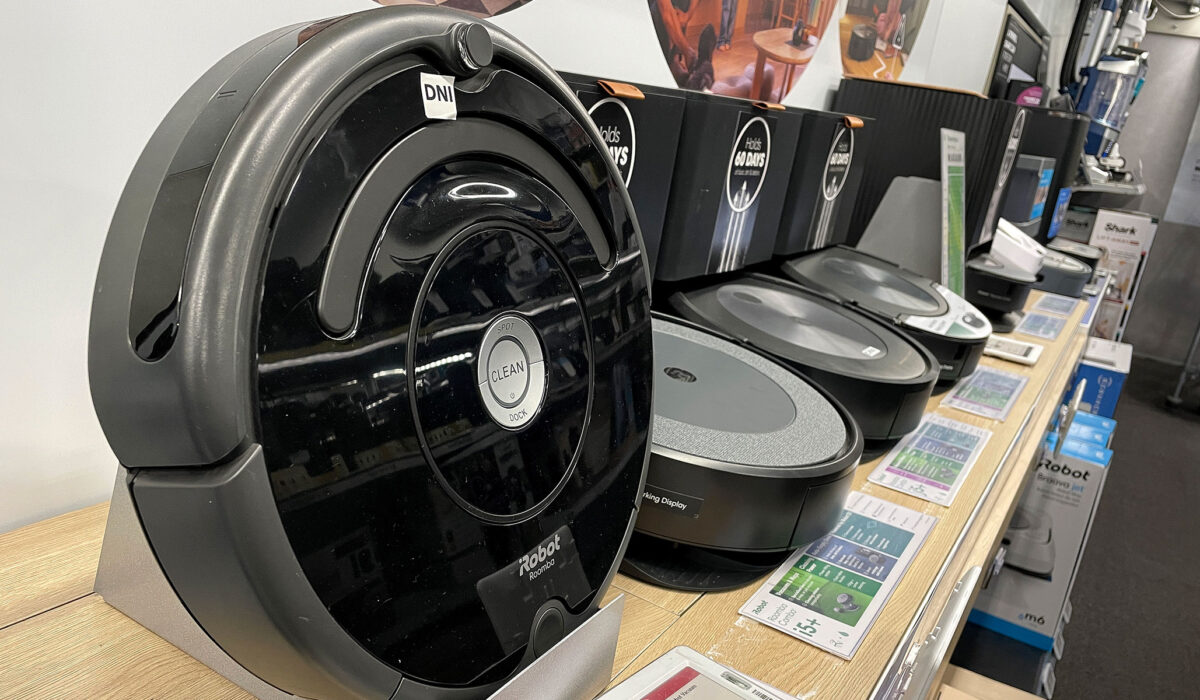
Roomba Ownership Shift and the Risk to American Data
Americans’ personal information may face new exposure because Roomba’s change in ownership could force handover of sensitive data to Chinese authorities. That concern is simple and stark: a device that maps your home and tracks routines ends up under control of a company subject to different rules. For many, that reality is unsettling and worth a clear-eyed look.
Roomba and other smart-home devices collect far more than floor plans. They gather schedules, room layouts, device usage patterns, and sometimes voice or camera feeds when paired with other systems. Even basic metadata can reveal when people are home, how a home is used, and other private details.
When ownership changes hands, legal obligations tied to the new parent company matter. Companies incorporated or operating under certain jurisdictions can be compelled by local authorities to produce data on request. That means what was once stored safely under U.S. rules could become accessible under a very different legal regime.
From a Republican viewpoint, this raises a national security and privacy problem that should not be minimized. Technology is powerful and borderless, but laws and loyalties are not. Trust breaks quickly when private data can be tapped by governments with strategic objectives.
Consumers tend to assume their devices are working for them, not for foreign governments. That assumption becomes risky when ownership and control move overseas. People who bought a Roomba to make cleaning easier did not sign up to have their living patterns exposed.
Even absent direct spying, aggregated smart-home data can create vulnerabilities. Bad actors can infer occupant schedules for burglary, target advertising in invasive ways, or map social connections and habits. The combination of physical layout and behavioral data is more revealing than most realize.
Companies argue they protect data and obey privacy commitments, and many do try to be careful. But the law in the owner’s country ultimately matters more than corporate promises when authorities make demands. That gap between assurances and legal reality is where the real risk hides.
Policy debates will keep circling around transparency, data residency, and legal jurisdiction. Those are technical phrases for a clear idea: where is the data stored, who controls it, and whose courts can demand it? Americans deserve clarity on those points before trusting everyday devices with their private lives.
Regulatory scrutiny from Washington and greater public awareness are likely to grow as these ownership changes become clearer. The Republican perspective emphasizes guarding national security and protecting families from undue foreign influence. That view sees privacy as part of homeland defense in an age when homes are increasingly connected.
At the end of the day this is about predictable rules and accountable control. Whether a device is a convenience or a risk depends on who answers to what laws and who can access the data. People should know the facts about ownership and the legal landscape behind the devices they bring into their homes.
Simple consumer choices get complicated once ownership crosses borders and legal systems. The Roomba ownership shift is a reminder that smart devices do more than clean; they record a slice of daily life. That insight should shape how lawmakers, companies, and citizens think about privacy going forward.