

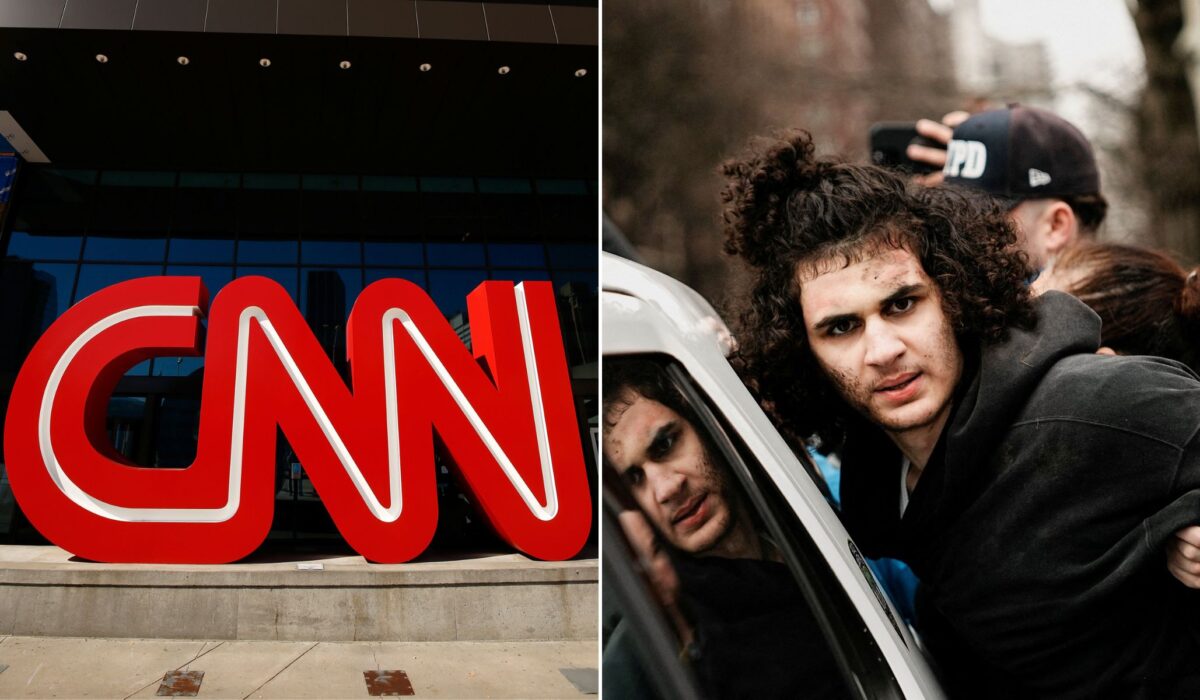
When a Major Outlet Keeps Getting It Wrong
“Once is an accident, twice is a coincidence, three times is a trend, and four times is CNN.” That line lands because it captures how repeated mistakes change the story from isolated errors to a credibility problem. For many viewers, the pattern matters more than any single headline.
Trust is the currency of journalism, and it erodes fast when networks prioritize narratives over accuracy. Mistakes happen, but when they pile up with the same outlet at the center, audiences start to question motives and methods. That skepticism reshapes how people consume news and whom they believe.
From a Republican viewpoint, this is not just about slipups; it reflects editorial choices and tribal alignment that steer coverage. Newsrooms that consistently favor one political perspective make it harder for neutral listeners to find reliable information. The result is a polarized media landscape where public debate suffers.
The practical consequences are immediate and measurable. Viewership drops, advertisers get nervous, and social platforms amplify alternative voices that claim to correct the record. When a legacy outlet loses trust, new competitors move in and the market shifts quickly.
Advertisers and boards respond to reputational risk in predictable ways. Companies do not want their brands tied to controversy or repeated factual failures, so they pressure networks behind closed doors or redirect ad spend. That fiscal reality forces media executives to weigh sensationalism against solvency.
Competition helps discipline the system, since audiences have options across cable, streaming, and independent channels. Independent outlets and commentators fill gaps left by compromised institutions, offering different perspectives and fact checks. This diversity can be healthy, but it also fragments conversation and makes common ground harder to find.
Internal reforms matter more than public apologies. Stronger editorial checks, transparent sourcing, and clear correction policies rebuild trust faster than slogans. Management that enforces accountability sends a message that accuracy matters more than chasing ratings.
Legal accountability is another lever when coverage crosses into defamation or reckless reporting. Lawsuits and regulatory scrutiny are blunt tools, but they can force changes in practice and culture. Responsible outlets know the line between tough reporting and irresponsible claims, and they act accordingly.
Consumers have power too, through choices and attention. Subscribing to trustworthy outlets, demanding evidence, and pressing for corrections are ways viewers shape incentives. A skeptical audience rewards outlets that earn credibility rather than those that merely capture clicks.
Corporate ownership and board priorities also determine whether errors become a pattern or a pause. When leadership values short-term buzz over long-term trust, mistakes will repeat and accumulate. Aligning editorial standards with corporate governance reduces the chance that slipups become systemic.
Fixing this starts with honest acknowledgment of the problem and a plan that values facts, not narratives. Stakeholders from advertisers to viewers will respond to tangible improvements in transparency and sourcing. The media ecosystem is resilient, but only if outlets choose to earn trust again rather than assume it.