

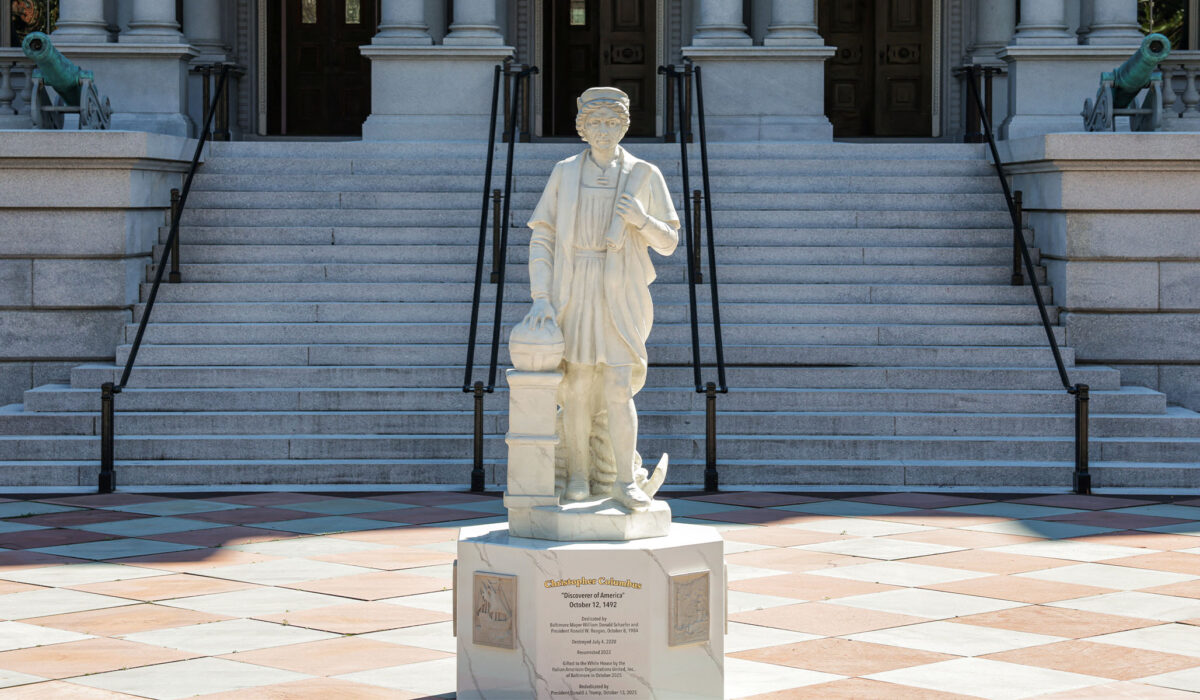
Christopher Columbus and the Shock of 1492
Christopher Columbus set out with three small ships, a handful of maps and the kind of confidence that embarrasses modern planners. The voyage is famous for its drama and for the huge unknown that lay beyond the horizon. It also rewired global trade and ideas in ways people at the time could not imagine.
What Columbus pulled off was the equivalent, in today’s terms, of traveling to Mars in a jerry-rigged spacecraft.
His vessels were tiny by later standards, the Niña, the Pinta and the Santa María, each driven more by wind and seamanship than by predictable engineering. Navigation relied on stars, dead reckoning and coastal landmarks when they could be seen. That made every open-ocean day a test of judgment and nerve.
The risks were intense: storms could break masts, scurvy and malnutrition were constant threats, and the threat of mutiny hung over any long voyage. Supply lines were nonexistent once the ships left Spain, so every choice had long-term consequences. The crew’s morale and the captain’s authority were as vital as the hull and sails.
Tools were primitive but effective in hands that knew how to use them—compasses, astrolabes and cross-staffs helped determine latitude, while longitude remained a stubborn mystery. Charts of the Atlantic were a patchwork of hearsay, old reports and bold guessing. Seamen depended on practical knowledge and a willingness to improvise.
Funding and politics mattered as much as skill at sea, because Columbus needed patrons who could tolerate risk. Isabella and Ferdinand provided the backing after years of negotiation, hoping to find a westward trade route to Asia. The monarchs’ gamble tied exploration to statecraft, finance and later empire-building.
Motivations were mixed: trade in spices and precious metals promised profit, personal ambition promised titles and wealth, and religion offered a frame for conquest and conversion. Those aims shaped decisions once land was found and encounters began. Ambition met opportunity, for better and worse.
When land did appear, it was in the Caribbean, not the Asian markets Columbus expected. The first contact with indigenous peoples began a long and complicated history of exchange, cooperation and conflict. Those initial meetings set patterns that would expand rapidly across oceans.
One of the most consequential outcomes was the Columbian Exchange, a vast transfer of plants, animals, diseases and ideas between continents. New crops like potatoes and maize transformed diets in Europe, while old-world animals and pathogens altered ecosystems and populations in the Americas. The exchange created winners and catastrophic losses at the same time.
Historians debate Columbus constantly: some emphasize navigational genius and boldness, others stress the grave human costs that followed his voyages. The debate is not just about one man but about how we remember exploration, empire and responsibility. That tension shapes textbooks, monuments and public memory today.
Columbus’s 1492 voyage sits at the intersection of courage, miscalculation and consequence, a single act that rippled outward for centuries. It remains a useful case study when we talk about risk, ambition and the unpredictable results of stepping into the unknown. Looking back, that trip changed how the world saw itself and how people imagined what lay beyond the horizon.