

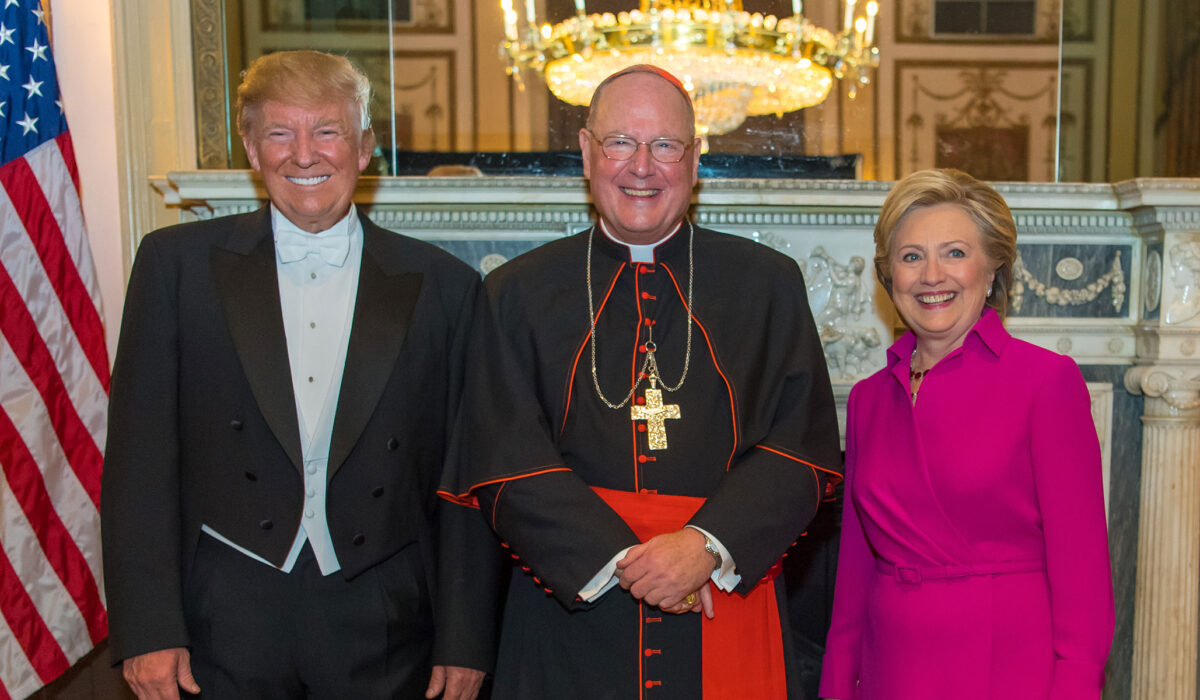
The Archbishop of New York: Above Party Lines, Rooted in Tradition
Partisan labels do not apply to the former — or to the new — archbishop of New York. The office is built on pastoral care, sacramental life, and the moral teaching of the Church, not on party politics. That separation shapes how the archbishop approaches public life in a city full of political noise.
The archbishop represents a centuries-old institution that speaks to conscience and moral law. People expect a consistent voice on life, family, and faith that does not flip with election cycles. That stability matters to parishioners who want shepherding, not spin.
Leading the archdiocese means balancing sacramental duties with civic presence. The archbishop celebrates Mass, administers confirmations, and supports clergy while also appearing at public events and engaging with civic leaders. Those interactions should reflect Catholic teaching, not a political agenda.
Voters and elected officials often seek moral clarity from religious leaders, and the archbishop can offer that without endorsing candidates. Clear moral teaching can guide conscience formation, which is different from giving campaign advice. That distinction preserves the Church’s integrity and its charitable mission.
In a city that leans one way politically, the archbishop still has a duty to all the faithful, regardless of their party. Priests, nuns, and laypeople come from across the political map, and the archbishop must minister to them all. Pastoral care requires unity, not factionalism.
The office also engages in public policy where moral principles are at stake. Issues like religious freedom, the sanctity of life, and support for families naturally draw the archbishop into public conversation. When the Church speaks on these topics, it is defending human dignity as it understands it.
Maintaining credibility means avoiding partisan theatrics and staying grounded in doctrine. Credible moral leadership is earned through consistent teaching and concrete acts of charity. People listen when words match deeds.
There is also a political reality to acknowledge: the archbishop will meet governors, mayors, and members of Congress. Those encounters matter for protecting parishes, schools, and charities from overreach. The goal is to secure space for religious practice, not to play politics for its own sake.
The archbishop must support clergy and laity facing cultural pressure. Parishes need leaders who can defend religious schools, pastoral ministries, and conscience protections. A principled stance helps sustain Catholic institutions that serve millions.
Public relations incidents can distract from core work, so the archbishop needs a steady communications approach. Clear, calm messaging reduces needless controversy and keeps attention on ministry. That approach is essential in an age of instant outrage.
Financial stewardship is another key responsibility for the archdiocese. The archbishop oversees budgets, property, and charitable outreach, and must ensure resources serve mission priorities. Transparency and prudence build trust among the faithful.
Engaging young Catholics is a strategic priority that does not depend on political alignment. The archbishop should champion catechesis, campus ministry, and vocational support to keep the faith alive for the next generation. That work shapes the future of the Church more than any political endorsement could.
When controversies arise, a strong pastoral presence matters more than partisan commentary. People need confession, counseling, and consolation, not op-eds that deepen divides. The archbishop’s job is healing and formation first.
The archbishop also plays a role in ecumenical and interfaith relations across New York’s diverse religious landscape. Building bridges with other faith leaders strengthens community response to poverty and crisis. Cooperation on common goods is practical and rooted in shared values.
Ultimately, the role is about witness more than punditry. Faithful leadership calls people to virtue while defending religious liberty in practical ways. In a noisy city, that steady witness stands out.