

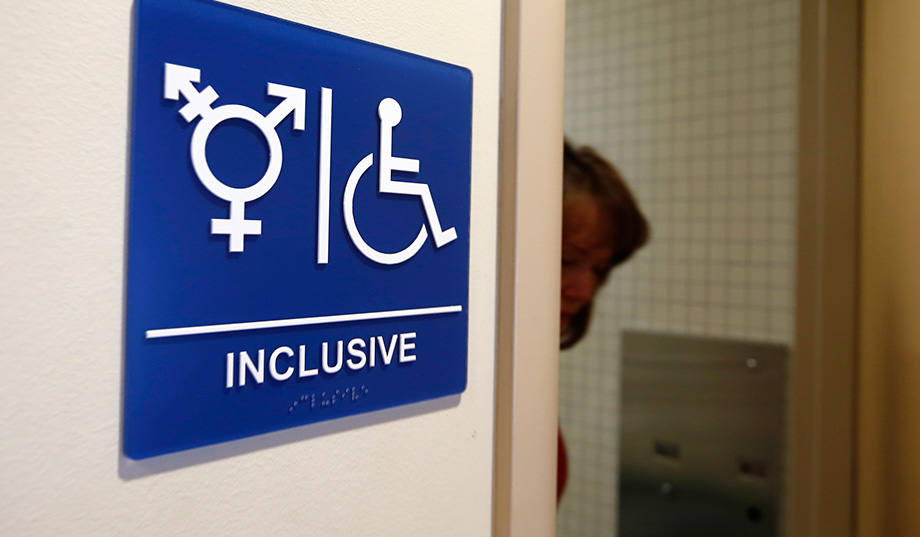
A backlash to the backlash is forming
“A backlash to the backlash is forming. We can’t be complacent.” Those two lines capture a turning point in public debate, where voters and institutions are reacting to earlier waves of cultural and policy change. From schools to courts, tension over social policy is reshaping priorities.
Republicans have framed this moment as a chance to defend common-sense rules that protect privacy, safety, and parental authority. The argument is simple: policy should respect biological differences where they matter, and policy must protect children from experimental approaches rushed into schools and locker rooms. That message resonates with many voters who feel their concerns were ignored.
At the same time, Americans are tiring of performative gestures and unclear definitions that create chaos in daily life. People want clear laws that treat citizens fairly and predictably, not shifting bureaucratic guidance that changes overnight. The political consequence is a demand for durable standards, not short-term headlines.
Courts are already a major battleground. Legal challenges driven by concerns about privacy and fairness are moving through state and federal systems, and those rulings will shape future policy choices. Success in the courts often depends on precise statutory language, not ideology, which means conservative lawmakers must be disciplined in drafting bills.
On school issues, parents are pushing back against curricula and policies they see as inappropriate for young children, and both parties are responding. Republican officials emphasize parental rights and transparency — parents deserve notice and a say in what their kids are taught and how schools handle sensitive matters. That position plays well in town halls and local school board elections.
Fiscal and administrative conservatives also see an opening. They argue that radical social policies cost money, complicate payroll systems, and increase legal exposure for institutions. The pitch to voters is practical: simpler, predictable rules mean lower costs and fewer lawsuits for taxpayers.
Messaging matters in every contest. Republicans who want to capitalize on this backlash-to-backlash moment are focusing on plainspoken language about fairness, safety, and family. That approach avoids ideological jargon and reaches people who want common-sense solutions rather than culture-war theater.
Grassroots organizations and local leaders are translating broad themes into action by running focused campaigns at school boards and statehouses. Those races are small-scale but high-impact, and they often set the tone for larger legislative sessions. Winning locally builds credibility for statewide and national efforts.
Media narratives will try to simplify the story into good guys and villains, but the real work unfolds in statute language, committee hearings, and implementation plans. That is where policy either protects the vulnerable or creates loopholes that produce unintended consequences. Conservatives know that clarity beats virtue signaling.
Still, the political landscape can shift quickly, and complacency is risky. Activists on the other side remain organized and funded, ready to counter popular momentum with court challenges and media campaigns. Staying engaged means keeping the focus on practical reforms that voters understand and support.
At the end of the day, this backlash-to-backlash moment is a test of political discipline and policy craft. Republicans who lean on clear principles, respect for institutions, and a commitment to families are positioned to make meaningful gains. The outcome will be decided in legislation, courtrooms, and local elections, not just in headlines.