

When the First Amendment Is Misapplied
“A misapplication of the First Amendment has led to an injustice.” That line cuts to the heart of a growing problem: when courts treat the amendment as a blanket shield rather than a carefully balanced protection, outcomes can become unfair and unpredictable. This is not about silencing speech, it is about enforcing principles evenly and protecting other rights at stake.
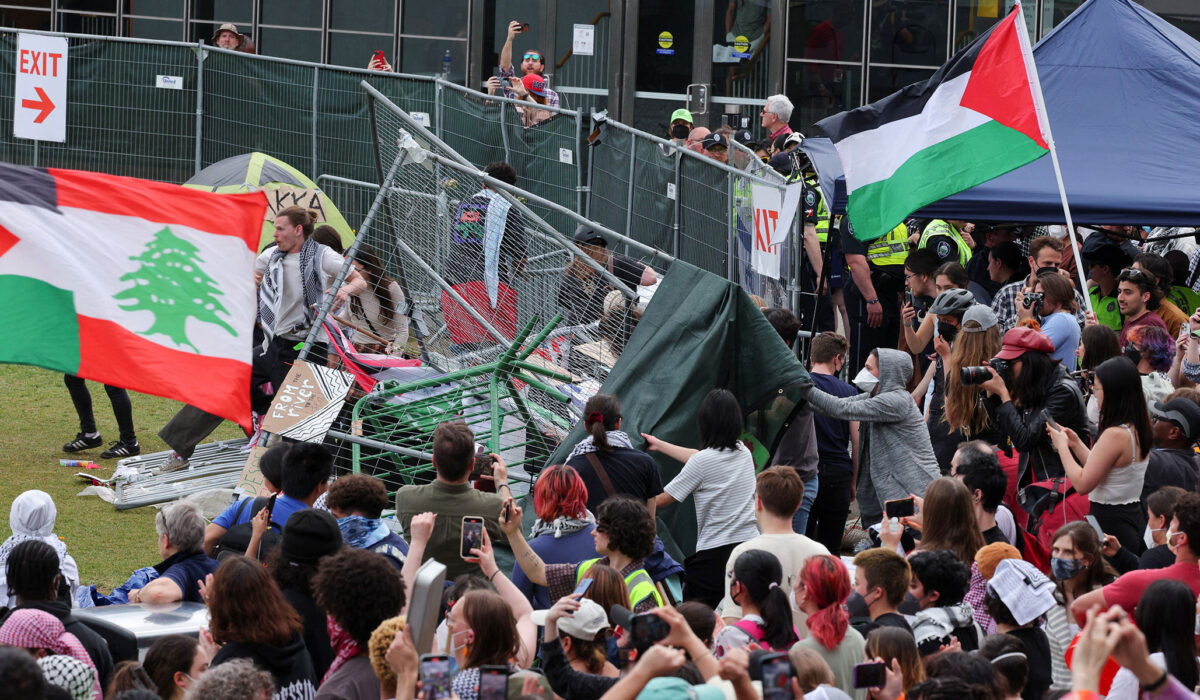
Across campuses, city streets, and public buildings we see selective tolerance for activity that disrupts the rule of law. When some demonstrations become permanent encampments and authorities are hamstrung by legal confusion, property rights and public safety suffer. Citizens who follow the rules watch as standards shift without accountability.
Originalist Republicans argue that the First Amendment was never meant to provide absolute immunity for conduct that destroys others’ rights. The amendment protects speech, not occupation or criminal behavior that uses speech as a cover. Courts that blur that line risk enabling harm and undermining legitimate governance.
Judges play a role, but the role must be faithful to the Constitution and common sense. When rulings prioritize narrow procedural protections over tangible harms, victims of disorder are left with limited recourse. That gap breeds frustration and weakens public trust in both the judiciary and elected leaders.
Equal application of the law is a core conservative value. If one group is allowed to occupy public space indefinitely, others have the right to ask why enforcement was suspended. Fairness demands consistent standards that protect individual liberties while preserving public order.
There are practical consequences when speech protections are stretched beyond their intent. Local businesses lose customers, sanitation and health concerns mount, and emergency services face obstacles responding to crises. These impacts are not abstract; they affect neighbors, taxpayers, and the most vulnerable in the community.
Sound legal reasoning would separate pure speech from actions that materially interfere with others. Courts can and should look closely at conduct, not just slogans, and evaluate whether an activity crosses into behavior that the law may regulate. Narrow, precise rulings restore clarity without chilling legitimate expression.
Legislatures also have a responsibility to write clear, enforceable laws that reflect community standards. Where ambiguity exists, lawmakers should refine statutes so law enforcement and citizens alike know the boundaries. This helps prevent inconsistent judicial outcomes that feel politically driven.
Enforcement must be consistent. That does not mean sweeping suppression of dissent. It means applying rules neutrally so that peaceful assemblies are protected and unlawful occupation or violence is not. Predictable enforcement preserves both liberty and public safety.
Public debate thrives when rules are clear and applied evenly. Citizens on all sides deserve legal frameworks that respect speech while protecting property, health, and order. A system that confuses rights with immunity will ultimately damage the freedoms it claims to defend.
We can protect the First Amendment while holding people accountable for conduct that harms others. Courts should interpret the amendment in light of history and text, lawmakers should tighten vague rules, and officials should enforce laws fairly. The goal is a society where free speech flourishes, but not at the expense of justice or safety.