

Housing First’s Fallout and a Case for Reform
Americans deserve clear thinking about failed policies and honest solutions, not slogans. Too often the conversation about homelessness has been dominated by feel-good programs that produced bad outcomes. A sharper, responsible approach is overdue.
The era of Housing First will be marked in history as a humanitarian disaster. Trump’s reforms are needed. Those two lines cut to the point: policy that ignores behavior and accountability produced harm, and changing course is not optional.
Housing First started with a simple, humane idea: get people a roof and then address other problems. In practice it divorced housing from basic expectations of stability and treatment, and in many places it created persistent encampments and declining public safety. When good intentions replace clear standards, the system rewards dependency instead of recovery.
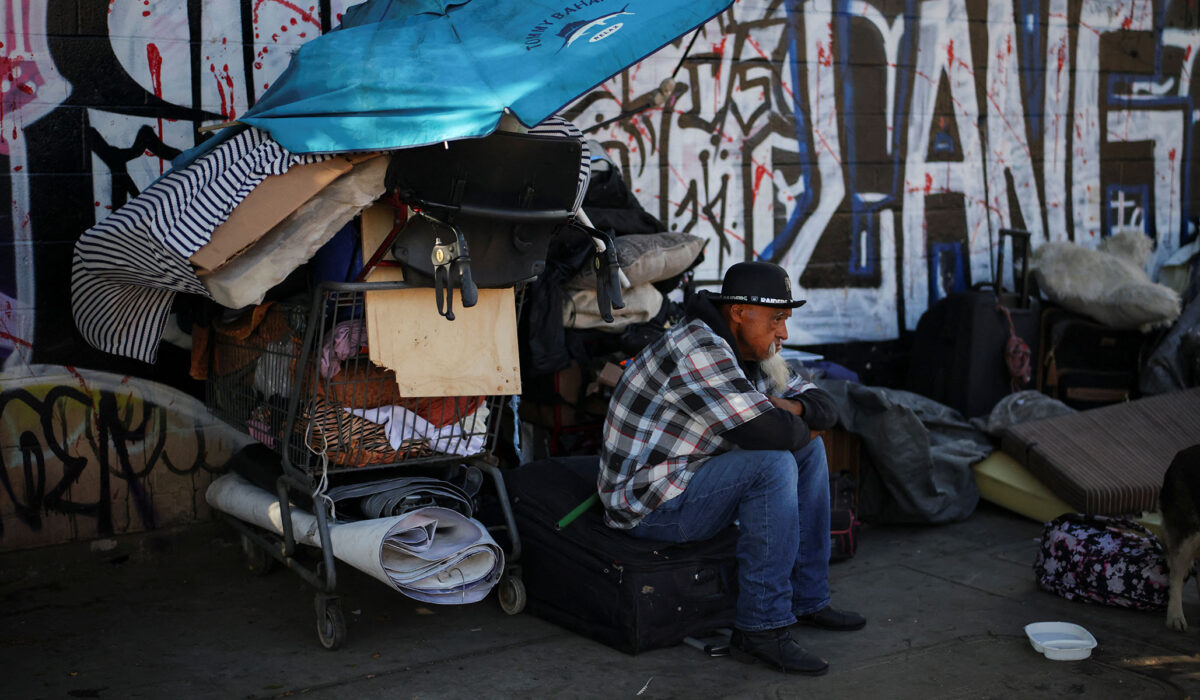
Local businesses, residents, and vulnerable people themselves felt the consequences. Once-congested sidewalks, unmanaged camps, and spikes in visible drug use turned neighborhoods into places many avoided. That outcome strains municipal services and erodes public trust in government to keep communities safe.
Reforms being pushed back to the federal level aim to restore balance without abandoning compassion. That means tying housing support to case management and enforceable care plans, not handing over keys with no expectations. It also means restoring law and order where public safety suffered because programs removed consequences for dangerous conduct.
From a Republican viewpoint, the answer mixes compassion with responsibility and local control. Federal rules should empower communities to set standards and timelines, and funding should incentivize measurable outcomes like sustained sobriety, employment, or stable housing transitions. Dollars without accountability produce repeating problems that taxpayers and the needy both pay for.
Practical programs place treatment, counseling, and vocational training at the center, while keeping behavioral standards clear and enforceable. Transitional housing that requires engagement in services produces far better long-term results than permanent placements without supports. That model restores dignity through progress, not by masking failure.
Tough-minded oversight will also fix wasted spending and improve results fast. Audits, performance metrics, and sunset clauses for federally funded initiatives create pressure to deliver what they promise. When programs are judged by real improvements instead of intentions, policymakers can pivot away from ideas that cause harm.
Americans who care about the homeless want solutions that help people rebuild their lives and protect neighborhoods. That balance means stepping back from failed experiments and pushing policies that restore responsibility, treatment, and community control. Making those changes is what real reform looks like.