

Why Rent Control Won’t Fix New York’s Housing Problem
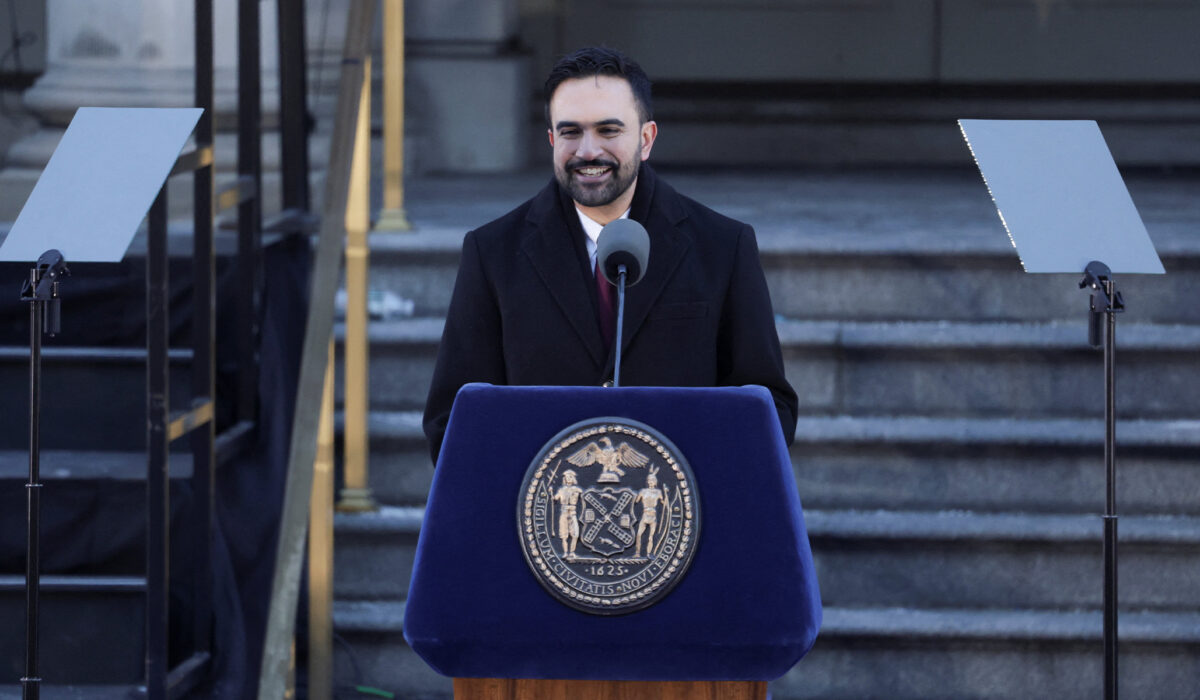
By embracing rent control, New York City’s mayor is recycling a policy that feels compassionate but fails everyone it touches. That claim needs to be taken seriously because policy that looks humane on paper can make housing scarcer, older, and costlier in real life. We should talk honestly about who wins and who loses.
Rent caps sound fair because they freeze costs for some tenants immediately, but they also discourage new construction by lowering returns for builders. Investors and small landlords react to reduced income by delaying repairs, selling, or converting units to other uses, which shrinks the available housing stock. When supply tightens, the pressure moves to the unregulated market and future renters.
Landlords facing controlled rents often reduce maintenance or exit the market, which ends up harming tenants who rely on those units. Reduced upkeep accelerates building deterioration and raises safety concerns that city agencies must manage. That creates an ugly trade off where short term relief produces longer term decline in habitability.
Economic effects ripple beyond housing. When developers see lower profit incentives in a city, they simply invest elsewhere, costing jobs and reducing tax revenue. That means fewer funds for the very services low income residents need most, like schools, sanitation, and public safety. The result is a slowly eroding urban environment that hits vulnerable people first.
Price controls also distort how housing is allocated, rewarding those who were lucky enough to get a controlled unit rather than those in the greatest need. That misalignment creates perverse incentives like subletting or informal transfers that bypass fair processes. Fair policy should focus on targeted help for those who truly need support.
Enforcement of rent control brings a different set of challenges, from bureaucratic complexity to costly litigation between tenants and landlords. Courts and housing courts get clogged with disputes that divert resources from proactive solutions like inspections and tenant education. Complexity rarely helps the city tackle its underlying shortage.
A Republican viewpoint pushes alternative priorities: expand supply, streamline zoning, and remove barriers that drive up construction costs. When cities allow denser, mixed-use development and cut needless regulations, developers respond with more units and different price points. More supply means more options for working families and less pressure on existing tenants.
Property rights matter because predictable returns attract private capital that builds and renovates housing at scale. Encourage public private partnerships, offer targeted incentives for affordable units, and preserve incentives for responsible small landlords. That combination keeps neighborhoods livable and keeps landlords invested in maintenance.
Targeted assistance beats blanket caps because it sends help to those who truly need it without crippling the market. Vouchers, tax credits, and direct rental assistance can be time limited and means tested so taxpayers get measurable results. Those tools protect the most vulnerable while preserving the market signals needed for growth.
Transparency and accountability can improve tenant protections without freezing prices across the board. Strengthen eviction screening safeguards, speed up legitimate landlord licensing, and increase funding for inspection programs that enforce building standards. These measures help tenants live in safe, well managed homes rather than locking in declining units.
New York’s challenge is not ideology, it is scarcity, and any effective response must increase supply while shielding the most vulnerable. Policies that ignore market responses will create new problems faster than they solve old ones. Thoughtful reform combines safety nets with incentives that rebuild trust and capacity in the housing market.
Policy should aim for durable solutions that expand options and preserve quality, not temporary relief that deepens the crisis. The conversation needs fewer slogans and more realistic fixes that unleash construction, protect tenants, and respect property rights. Those are the choices that will shape the city for years to come.