

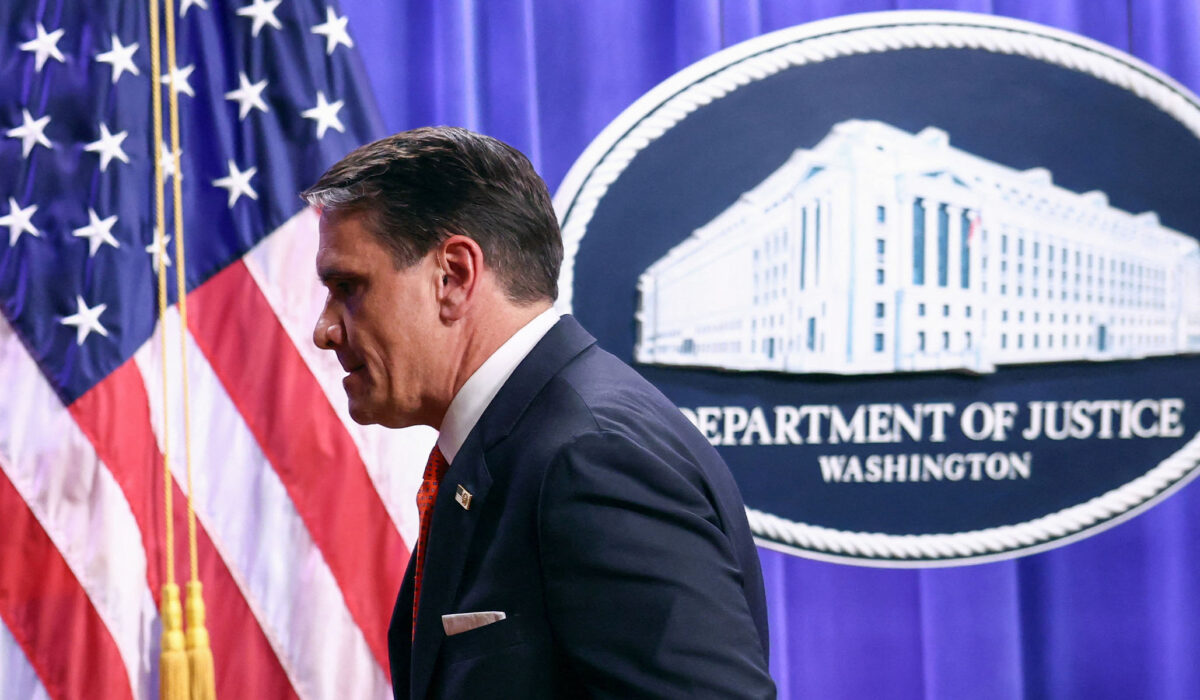
DOJ Leaders and Social Media: A Republican Case for Restraint
Top Justice Department officials ought to stay off social media, for the DOJ’s own good. That sentence is blunt because the stakes are high when law enforcement and politics collide online. Social platforms amplify mistakes and make perceptions permanent.
First, appearances matter for trust in the rule of law. When senior DOJ figures post partisan commentary or react impulsively, it feeds a narrative that prosecutions are political rather than merit based. Restoring confidence means removing opportunities for doubt.
Second, security and operational integrity are at risk when senior staff engage publicly. Casual posts can reveal timelines, priorities, or internal disagreements that adversaries can exploit. Silence or carefully vetted statements reduce those risks and protect investigations.
Third, social media interactions invite selective leaks and misinterpretation. Opponents and the press can cherry pick tweets or posts to create headlines, drown out nuance, and drive years of litigation over intent. That dynamic undermines the pragmatic work of prosecutors and federal agents.
Fourth, norms and institutional culture depend on leadership setting a tone. If the Department’s top officials model restraint, career staff are less likely to politicize their duties in moments of pressure. Clear expectations about public comment preserve professional integrity.
Fifth, the legal world prizes due process and measured public communications. Statements made on social platforms rarely carry the context of an affidavit or courtroom briefing, yet they can be treated like sworn testimony by the court of public opinion. Quiet professionalism helps keep legal arguments where they belong: in filings and hearings.
There is also a practical calendar problem. High-profile posts can trigger conflicts of interest, disqualify line attorneys, and force recusals that slow down casework. Avoiding social media reduces unnecessary procedural headaches and keeps the Department focused on results.
Legal accountability is not a substitute for prudent public behavior by officials. The Department should be transparent when required, but that does not mean every thought needs a post. Thoughtful, official channels are where policy and progress should live.
Finally, political actors will always criticize the Justice Department, but officials who refrain from social media deprive critics of easy ammunition. That helps the institution outlast partisan cycles and preserve rule of law for all Americans. Restraint is a small personal sacrifice that yields institutional stability.
Practical steps are straightforward and follow common sense: restrict personal political commentary, centralize official messaging, and use traditional channels for announcements. Those measures keep the DOJ focused on enforcing law without the distraction of social media spectacle. The Department’s mission deserves nothing less.