

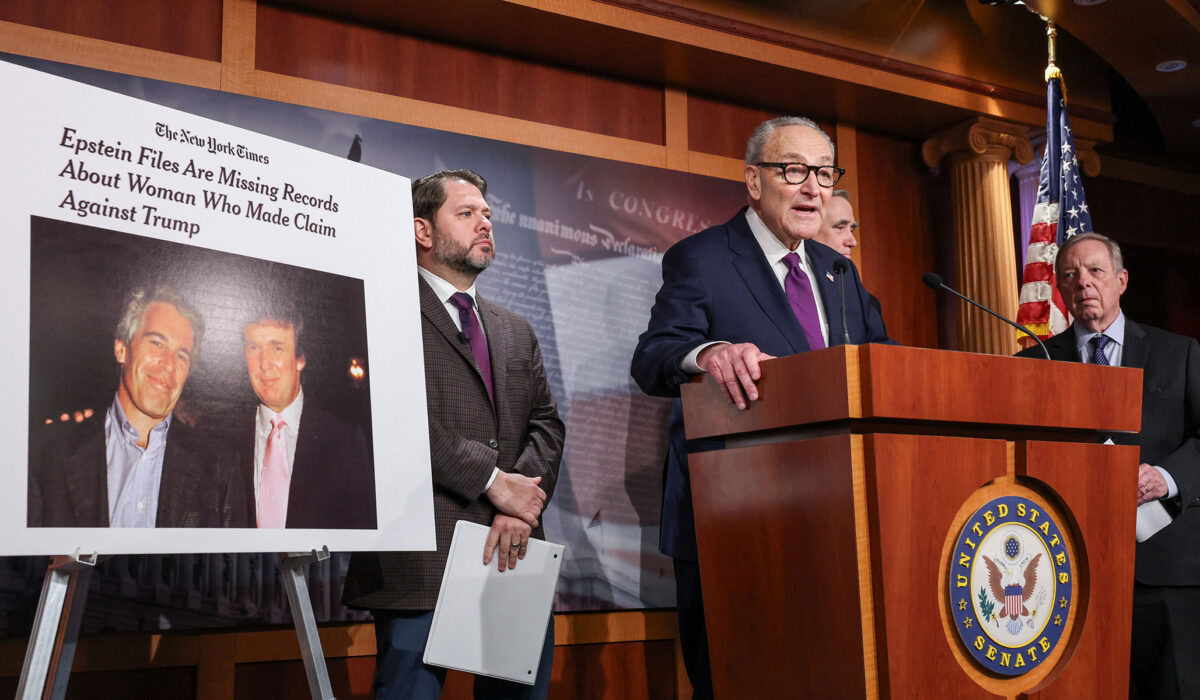
Why the DOJ Shouldn’t Be Dumping Unverified, Disparaging Claims
“There’s a reason that it is not the usual practice of the DOJ to release unverified, disparaging information about people it’s not charging with crimes.” That sentence captures the old guard norm that protected people from premature public ruin. When officials abandon that standard, the damage is immediate and hard to repair.
The presumption of innocence is not a legal nicety; it’s a functional safeguard that keeps investigations fair and evidence-based. Publicizing raw, unvetted allegations flips that safeguard on its head and hands the headlines to partisan actors. Once the press cycle amplifies a claim, facts and context struggle to catch up.
From a Republican viewpoint, this trend looks like selective enforcement dressed up as transparency. When accusations about high-profile figures surface without charges, people naturally ask who benefits. That skepticism matters because trust in law enforcement is political and it can be lost in a single headline.
Those targeted by unsubstantiated disclosures suffer immediate reputational harm, financial fallout, and personal stress that courts rarely fully fix. Jobs, relationships, and reputations are shredded while the actual legal inquiry grinds along behind closed doors. Even when exonerated, the social record keeps the stain alive.
Institutionally, leaking unverified materials undermines core justice rules like grand jury secrecy and source protection. It also compromises investigative integrity when witnesses change testimony or evidence is tainted by publicity. A healthy justice system relies on discipline, not spectacle.
Accountability starts inside the department: clear rules about what can be released, who signs off, and penalties for breaches. Congress has a role in oversight to ensure those rules are enforced consistently across administrations. Without consequences for leaks, bad behavior becomes the routine way of doing business.
Practical reforms should emphasize publication standards that require verification thresholds before public disclosure and timelines so people aren’t left in limbo. Independent review panels can weigh transparency against harm without turning every allegation into a politics-driven headline. That approach protects both victims of real crimes and people wrongly exposed.
Media outlets share responsibility: aggressive coverage of unverified claims fuels the cycle and rewards leak-prone behavior. Editors should demand more corroboration before publishing and be mindful of the secondary damage their stories cause. The marketplace of ideas works better when fact-checking matters more than speed.
Justice institutions survive by being predictable and rule-bound, not by improvising publicity stunts that curry political favor. Restoring restraint in disclosures would preserve individual rights and rebuild confidence across the political spectrum. That’s worth insisting on without apology.