

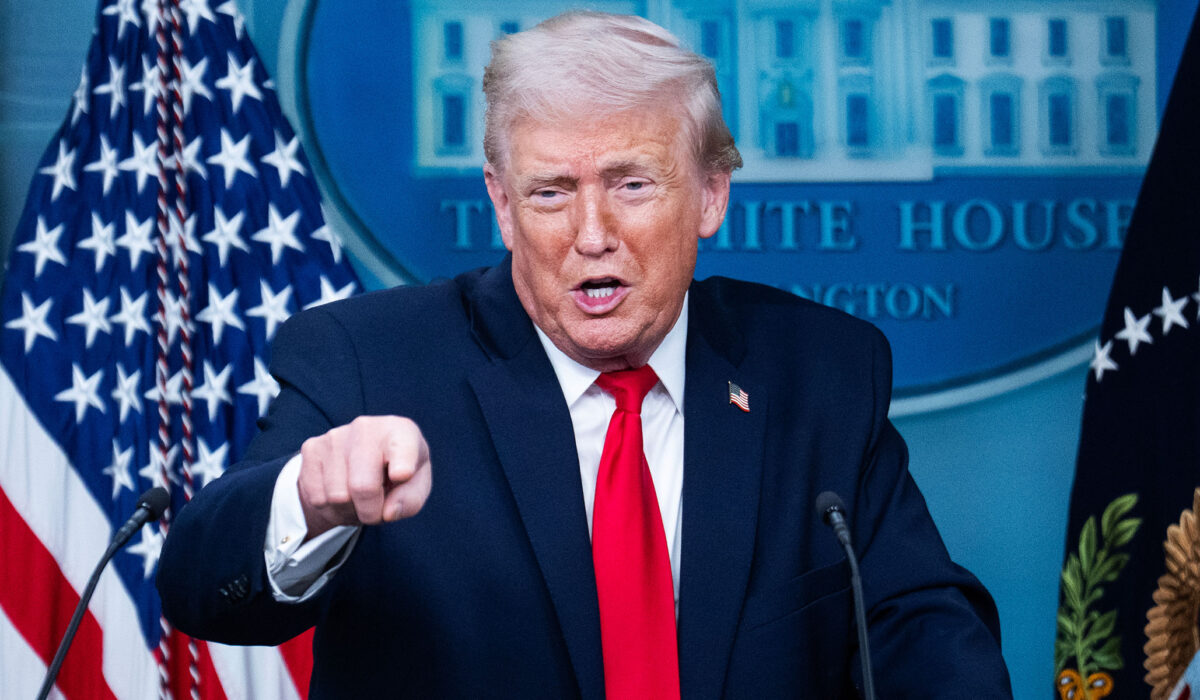
Donors Reassert Control of the GOP, but Trump Still Holds the Power to Shake Things Up
Money has moved back into the driver’s seat of the Republican Party, at least for now. Donors who write the big checks are pressing for structure, strategy, and clear paths to victory. Their return changes how decisions get made inside the party.
These funders want professional campaigns, tidy budgets, and a cohesive message that can win in suburbs and swing districts. They expect results and they know the leverage their checks buy. That influence reaches candidates, committees, and the party’s operational planning.
But this balance is fragile because one person still commands enormous sway over Republican voters. Donald Trump’s popularity with the base gives him a different kind of currency: loyalty at the ballot box. That loyalty can overwhelm donor preferences if he chooses to wield it.
Trump’s path to reshaping party dynamics is simple and direct. He can replace officials, demand new personnel, and back challengers who align with his instincts. Those moves would reorient the GOP toward his priorities whether donors like it or not.
Donors prefer predictability and return on investment. They favor candidates and committees that deliver clear, defensible wins because their capital is scarce and results matter. When donors pull back, campaigns suffer immediately from fewer ads, less voter contact, and reduced ground game.
Still, the Republican playbook has always included two levers: cash and control. Money buys infrastructure and message discipline, while control wins loyalty and media attention. When both line up, the party is powerful; when they diverge, chaos follows.
For now the ledger tips toward donors because institutional leaders and major funders have coordinated to rein in excesses they see as risky. They have influence over ballot access, candidate vetting, and how resources are allocated across races. That coordination gives them the operational upper hand on day-to-day campaign mechanics.
The counterweight is Trump’s ability to shape narratives and energize crowds, which can blunt donor pressure. He can force convention battles, endorse primary challengers, and make personnel changes that reshape party organs. Those are blunt instruments that can undo institutional plans quickly.
That potential for disruption matters to candidates and state parties who need to balance donor expectations with voter appetites. Some will chase the donors, building polished operations, while others will chase raw energy and loyalty. Each route carries risks and rewards for 2026 and beyond.
Donors also worry about brand risk. Invested money can vanish if a nominee is seen as unelectable or if infighting causes public damage. Protecting the brand means pushing for candidates who can win general elections and manage a disciplined message.
But Republican politics has never been only about preserving an image. It is also about seizing opportunities and reshaping institutions. Trump’s history shows he will use personnel decisions to consolidate power and force institutions to adapt to his playbook.
That creates a tactical game where donors may fund infrastructure while Trump reshuffles personnel to ensure loyal execution. Both forces can coexist in tension, and both have reasons and tools to bend party direction toward their preferred outcomes. This tug of war will shape staffing choices, fundraising priorities, and campaign tactics.
Local and state operatives are watching closely because funding flows and leadership signals affect candidate recruitment and turnout plans. If donors double down on professionalization, local groups must meet higher standards. If the Trump approach prevails, grassroots momentum could drive a different set of investments and endorsements.
The GOP’s near future will be determined by how these two power centers play out in concrete fights over committees, candidate slates, and messaging. Expect more bargaining, more purges, and more strategic realignment as both sides test the limits of their influence. The result will be a party adjusting in real time to competing centers of authority.