

Not Yet: Why Cutting Rates Would Be Premature
The Federal Reserve faces a choice that matters for every family budgeting for gas, groceries, and a mortgage. From a Republican viewpoint, patience beats politeness when inflation still threatens purchasing power. The best policy now is steady vigilance rather than hasty relief.
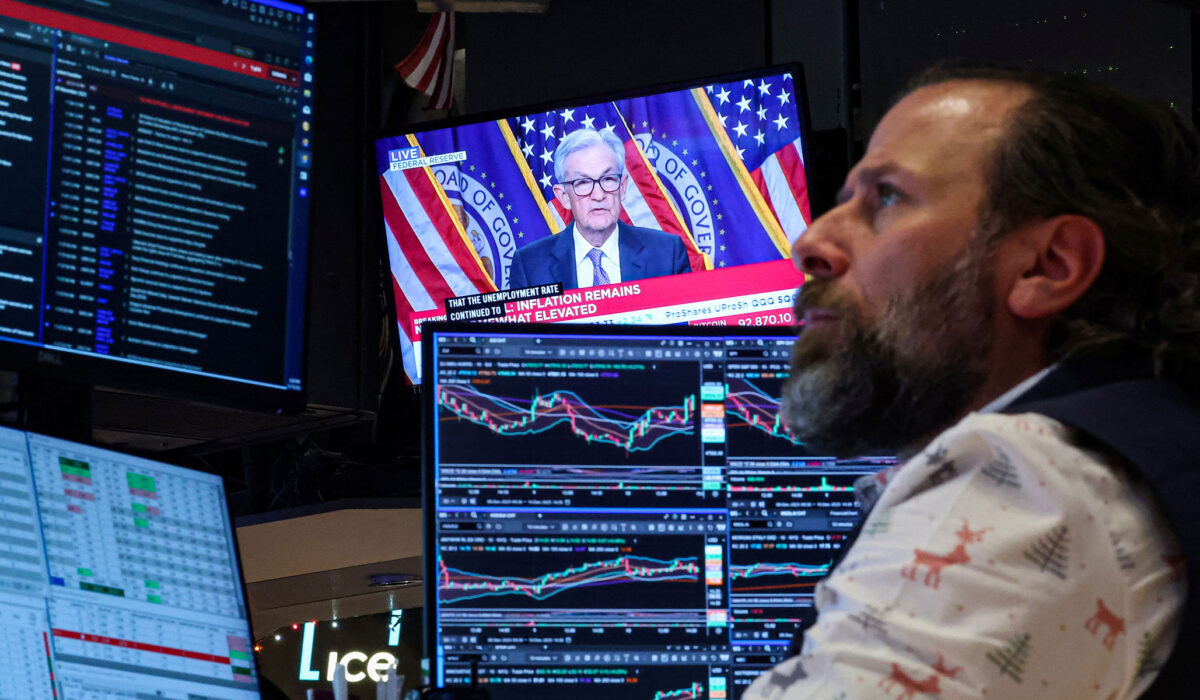
There could be a time when the economy shows enough signs of a slowdown to make a rate cut the right response, but that time is not now. That sentence captures the core judgment: a slowdown would justify easing; current conditions do not. We should let the data lead and avoid politics-steered decisions.
Inflation readings remain above the comfort zone many voters expect the government to protect, and core measures still show stickiness in services and wages. Price stability is a foundational conservative goal because unpredictable inflation punishes savers and fixed-income earners. Cutting rates too soon risks handing back the gains made against rising costs.
The labor market is still tight, with low unemployment and solid wage gains in many sectors that keep upward pressure on prices. Strong employment is good, but when hiring stays brisk it complicates the Fed’s job of cooling inflation without tipping the economy into a hard landing. That tension argues for a cautious approach to easing.
Premature rate cuts would likely embolden asset bubbles and encourage risk-taking that can blow up later and hurt Main Street. Markets often cheer lower rates immediately, but the long-term damage from runaway inflation or mispriced risk falls on ordinary people. Credibility matters: the Fed must be seen as serious about price stability.
Concrete signs that would change the calculus include sustained declines in core inflation, cooling wage growth, and clear credit tightening that slows real activity. Fiscal restraint would also matter; rate cuts without responsible budgeting can just fuel price pressures. Until those signals arrive, holding steady is the sensible path.
Look beyond headlines: volatility and short-term noise can mask underlying trends in productivity and unit labor costs that determine inflation’s path. Republicans push for policies that reward work and savings, and monetary easing before inflation is clearly under control undermines both. We need durable wins, not temporary applause.
Markets price expectations and that shapes investment decisions, so mixed signals from policymakers create unnecessary uncertainty for businesses planning hires and expansions. A disciplined Fed that waits for clear evidence preserves confidence and avoids repeating past mistakes. Short-term market cheer must not outweigh long-term economic health.
Practical politics matters too: policymakers should avoid maneuvers that relieve immediate pressure but shift the burden to future taxpayers and savers. Watching a set of consistent indicators and resisting political pressure keeps policy anchored to results. Patience now protects purchasing power and keeps the recovery on firmer ground.