

How Schools Shape a Shared Love of Country
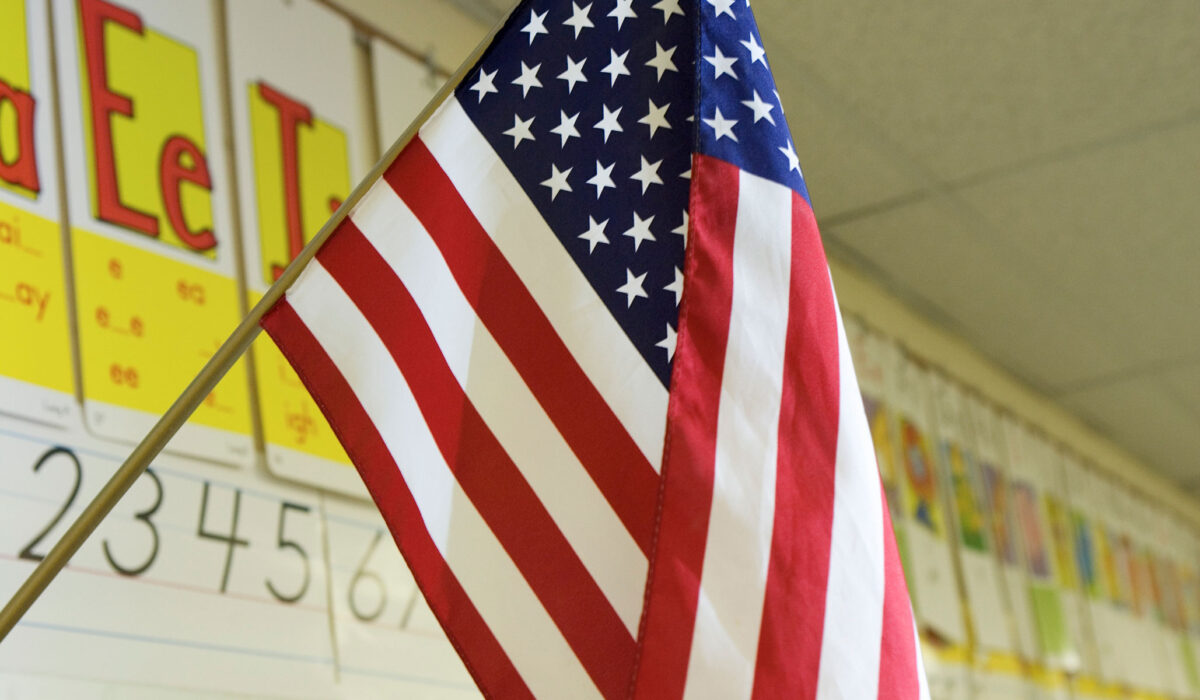
No matter whether you’re an immigrant or a native-born American, education instills the love of country that we all ought to have. Classrooms are often the first place people find common ground, where language, stories, and civic habits meet. That early exposure helps turn strangers into community members who care about the same public life.
Core curriculum gives students a shared vocabulary for citizenship. Lessons in history, civics, and local government explain how institutions work and why participation matters, while reading and composition build the skills people use to argue, persuade, and listen. Those basics are practical and civic at once, equipping young people to engage responsibly.
For immigrant students, schools offer more than facts; they offer context and belonging. Language classes, orientation programs, and multicultural school events make it easier to understand national symbols, legal rights, and public responsibilities. That combination of practical support and cultural introduction helps newcomers see themselves as part of the national project.
Teaching methods matter as much as content. Project-based learning, community service, and structured debates move civic lessons from abstract to lived experience by asking students to solve local problems and work across differences. When classrooms prioritize critical thinking over rote memorization, students develop the judgment needed to participate in civic life.
Families and neighborhoods reinforce what happens in school, extending civic learning into everyday routines. Parents who model voting, volunteerism, or respectful disagreement show how national pride and civic duty show up at home. Schools that partner with local organizations multiply those examples and make civic habits visible outside the classroom.
Extracurricular activities create additional pathways to belonging. Sports teams, student government, debate clubs, and service groups let people form friendships across backgrounds while learning cooperation, responsibility, and leadership. Those social bonds often translate into durable attachments to place and polity.
Challenges exist, including debates over curriculum, ideological divisions, and the need to include multiple perspectives without eroding common reference points. Teaching a shared civic culture does not mean silencing dissent; it means equipping students with the knowledge and habits to disagree productively. A focus on civic skills—how to deliberate, how to evaluate claims, how to serve—keeps classrooms from becoming echo chambers.
Practical investments make the difference: well-trained teachers, up-to-date materials, and community partnerships give civic education real traction. When a classroom brings together students from varied backgrounds to study a single document or solve a local issue, it models how the country itself holds together. That everyday practice is how affection for the nation grows into responsible citizenship.