

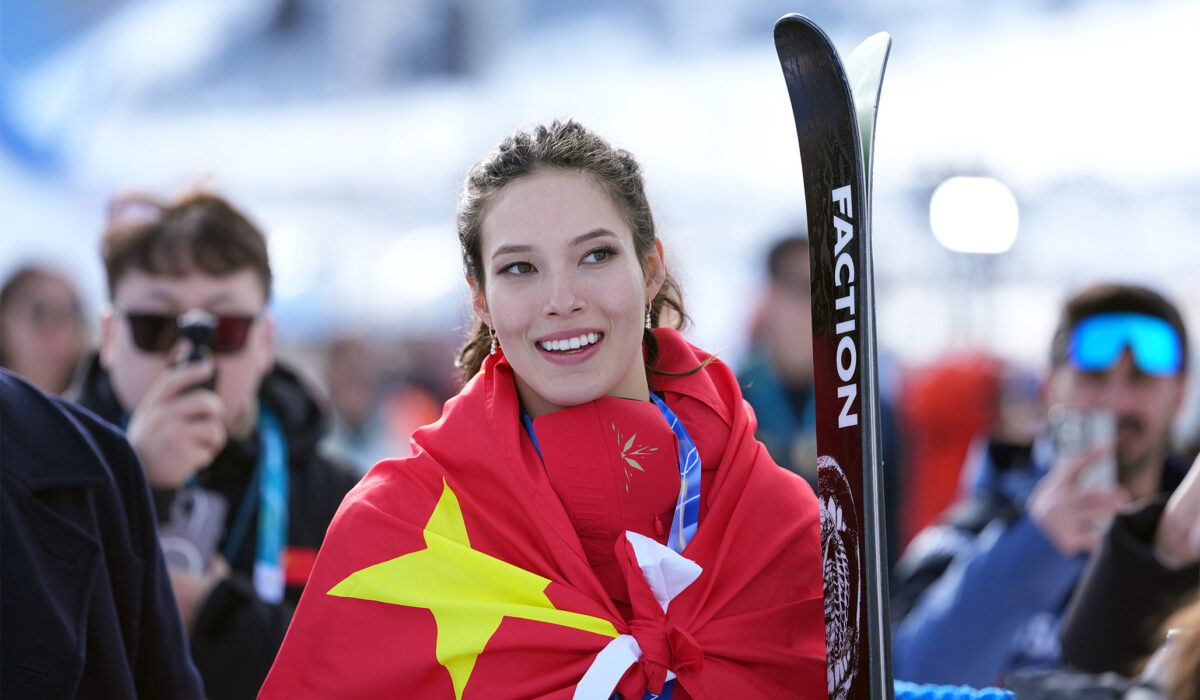
Eileen Gu’s Decision to Ski for China Raises Clear Questions
Gu skis for China, and that single fact has sparked a debate that mixes sport, identity, and geopolitics. She is a standout athlete whose choice matters beyond medals. Fans and critics are parsing what her allegiance means for national pride and international competition.
From a Republican perspective, representing an authoritarian state invites scrutiny about values and symbolism. China is not just another team on the schedule; its government has a documented record of human rights abuses that colors any close association. That context changes how many Americans see an athlete choosing to compete under its flag.
The optics are stark and uncomfortable for many. Choosing to align with China can feel similar to the way people in the 1930s would recoil at public allegiances to oppressive regimes. That historical comparison is about principles, not personal attacks, and it frames why this is more than a sports decision for some observers.
At the same time, athletes are individuals with complicated lives, identities, and families. Dual nationality, cultural ties, and personal history all play into a decision like this. Ignoring those human elements makes the conversation feel unfair and incomplete.
Money and opportunity also factor in. Sponsorships, access to training resources, and the promise of a different support structure can push elite competitors toward choices that look transactional. That reality matters when assessing whether the move is primarily about sport or a broader alignment with a state.
Ski federations and Olympic rules make switching representation possible but not trivial. There are procedures and eligibility windows that athletes must navigate, which means the decision is deliberate rather than impulsive. That deliberateness increases the weight of the choice in public view.
Public institutions and sponsors should face pressure to be consistent in how they respond. If corporate partners and sports bodies praise athletes representing democracy-friendly countries but stay silent when someone aligns with an authoritarian regime, people smell hypocrisy. Consistency helps maintain credibility and shows that values matter in practice.
Critics often insist that competing for China signals a softening toward its government, while supporters emphasize individual freedom to compete. Both claims hold partial truths and deserve examination without knee-jerk dismissal. The debate comfortably sits at the intersection of personal liberty and national symbolism.
Meanwhile, voters and fans weigh in with their wallets and their voices. Consumer choices and public opinion can influence sponsors, broadcasters, and governing bodies that shape the sports landscape. That feedback loop keeps the conversation alive and often forces institutions to take clearer positions.
Policy makers and sports leaders should ask tough questions about transparency, accountability, and where lines are drawn. They can protect the integrity of competitions without micromanaging personal life choices, but they must also be prepared to explain their standards. Clear rules and public reasoning reduce the charge that decisions are arbitrary or politically biased.
For now, people will watch how Gu performs and how institutions react, knowing this is not just about tricks on snow. Her career will keep raising the same hard questions about allegiance, values, and the responsibility of high-profile athletes. Those questions will keep shaping the debate as the seasons turn.