

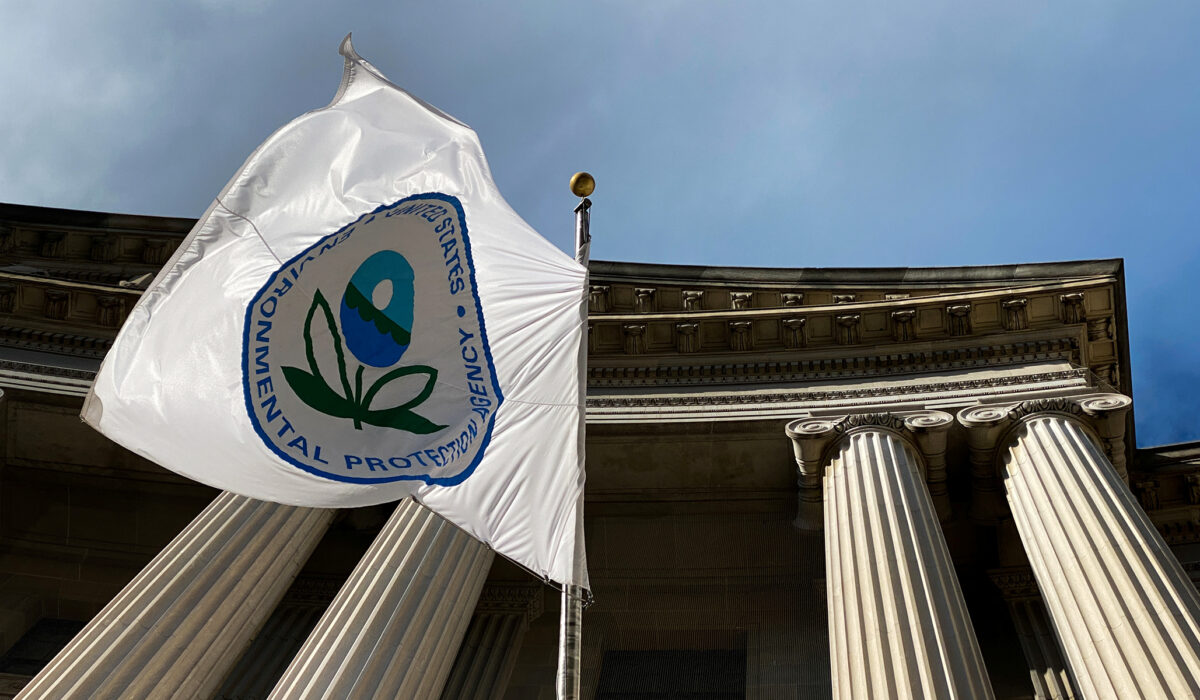
Consumers and Businesses Will Be Freer When the EPA Stops Treating Greenhouse Gases as a Public Danger
For years the EPA’s classification of greenhouse gases as a public danger has been used to justify sweeping federal rules that touch every corner of the economy. That designation turns what should be targeted environmental policy into a catchall that expands agency power without clear congressional authorization. Rolling that back would curb regulatory overreach and restore a measure of predictability for families and firms.
When greenhouse gases are treated as a public danger, permits, standards, and litigations multiply and cost consumers money. Higher compliance costs filter down to higher energy bills, pricier goods, and slower hiring. Families on fixed incomes and small business owners face the sharp end of those policies more than anyone else.
Removing the endangerment finding would not mean abandoning environmental stewardship; it would change who makes the rules. Decisions about broad national tradeoffs belong in Congress, not in unelected agencies using broad scientific findings to justify expansive rulemaking. That shift would reintroduce democratic accountability into major policy choices.
States and localities can respond to local conditions and priorities more nimbly than a one-size-fits-all federal edict. Energy landscapes differ from state to state, and forcing uniform federal standards ignores those differences. Allowing states more room encourages innovation and competition in policy approaches.
Businesses crave regulatory certainty because it lets them plan investments in factories, pipelines, and technology. When rules can change overnight due to an agency reinterpretation, capital dries up and projects stall. A stable legal environment unleashes private-sector ingenuity and lowers costs for consumers.
Technology advances faster when companies are free to pursue multiple pathways rather than a single federally favored solution. Market-driven innovation has a better track record of delivering practical, affordable improvements than centrally mandated picks. Freedom to experiment means cheaper, cleaner energy over time without heavy-handed mandates.
Congressional action would force honest tradeoffs and clearer accountability, not hidden shifts in agency power. Lawmakers would have to vote on major policy directions and stand behind the consequences at the ballot box. That transparency is healthy for democratic governance and policy legitimacy.
Property rights and due process suffer when broad regulatory authority is exercised without clear statutory anchors. Businesses and individuals deserve clear rules so they can comply and plan without fear of sudden enforcement. Restoring balance would protect those rights while still allowing targeted environmental protections where the law supports them.
Tailored regulatory approaches can protect public health without sweeping economic damage. Focused interventions for demonstrable local harms are more defensible and less disruptive than nationwide emergency-style commands. This approach respects both environmental goals and economic realities.
Underpinning this argument is a simple question: who should make weighty policy choices, and how should those choices be justified? Giving Congress the primary role means the public gets the debate it deserves and the choices made are more sustainable politically. That dynamic reduces the incentive for agencies to pursue aggressive regulatory shortcuts.
There will always be a role for EPA expertise in assessing risks and crafting sensible rules under clear statutory direction. Experts can and should inform policymakers without being the final arbiter of broad national tradeoffs. Rebalancing authority returns major decisions to elected representatives while preserving technical input.
Consumers and businesses will be freer when the EPA no longer treats greenhouse gas emissions as a public danger, and that freedom would bring clearer rules, stronger accountability, and more room for market-based solutions. The goal is sensible environmental protection that does not stifle prosperity or innovation. A shift in how we classify and regulate emissions can deliver both responsible stewardship and economic freedom.