

Europe 2025: NPR as a Continent
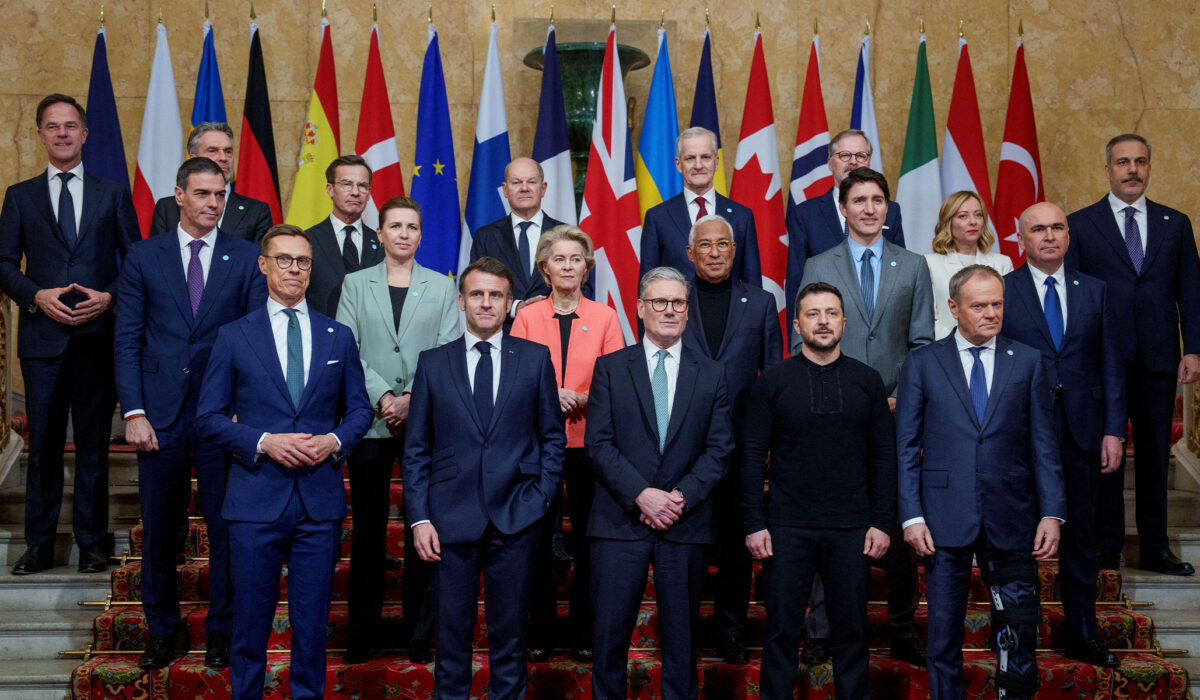
“Europe, in the year 2025, is what NPR would look like if it ran a continent.” That line captures a mood many on the right see: a continent run by a media-minded, technocratic elite. It points at tone, priorities, and the way policy is presented as settled news.
Look beyond the clever turn of phrase and you see institutions that value consensus over competition and opinions over results. From Brussels offices to national capitals, policymaking often feels curated rather than contested. Voters notice when expertise becomes shorthand for imposed choices.
Immigration remains a central source of tension, and it drives much of the disconnect between elites and everyday citizens. Policies set at the top respond to ideals rather than on-the-ground consequences in towns and suburbs. That mismatch fuels a resurgence of parties that promise to put borders, jobs, and local customs first.
Security and defense exposure is another reality check for Europe in 2025. NATO dependence, expensive ambitions, and uneven defense spending leave practical vulnerabilities. Many conservatives argue the continent needs harder choices on deterrence and domestic readiness rather than polished press conferences.
The economic picture shows the cost of prioritizing style over substance. Green policies pushed without reliable energy backups produced sharp price shocks in many countries. Citizens paying higher bills ask why their leaders chase virtue signals while neglecting reliable power and manufacturing jobs.
Institutions mirror media habits: polished messaging, consensus panels, and elite forums where dissent feels untimely. That approach can marginalize strong national interests and dilute accountability. The result is a steady accumulation of authority into a bureaucracy that rarely faces real electoral correction.
Populist movements are the predictable reaction to that centralization. They draw support from people who want decision making returned to local and national levels. Those movements vary widely, but their common theme is restoring control over borders, budgets, and culture.
The media landscape reinforces these dynamics by rewarding tone over substance and outrage over nuance. When coverage privileges the comfortable perspective of the elite, it narrows acceptable debate. Conservatives in Europe and allies abroad push back against what they see as groupthink and selective outrage.
Policy shifts that follow from this critique are straightforward and practical. Better border enforcement, realistic energy planning, and robust defense funding would change outcomes fast. Those are political choices that require leaders willing to break with elite habit and answer directly to taxpayers.
Voter engagement is the ultimate corrective mechanism, and it has been loud and messy in recent years. Local races, municipal referenda, and national ballots have become the venues where ordinary citizens assert their preferences. That pressure forces politicians to act or be displaced by those who will.
Culture and identity debates will continue to shape politics, because they are about how communities sustain themselves. Bureaucratic blueprints rarely account for organic social bonds and local norms that keep places stable. The clash between technocratic planning and civic life is central to understanding Europe now.
Expect more political volatility as long as elites prefer curated consensus to clear choices. That volatility is the democratic engine at work, not a breakdown of order. The argument on the right is simple: if institutions want lasting legitimacy, they must listen, adjust, and restore decision making where people can see and influence it.