

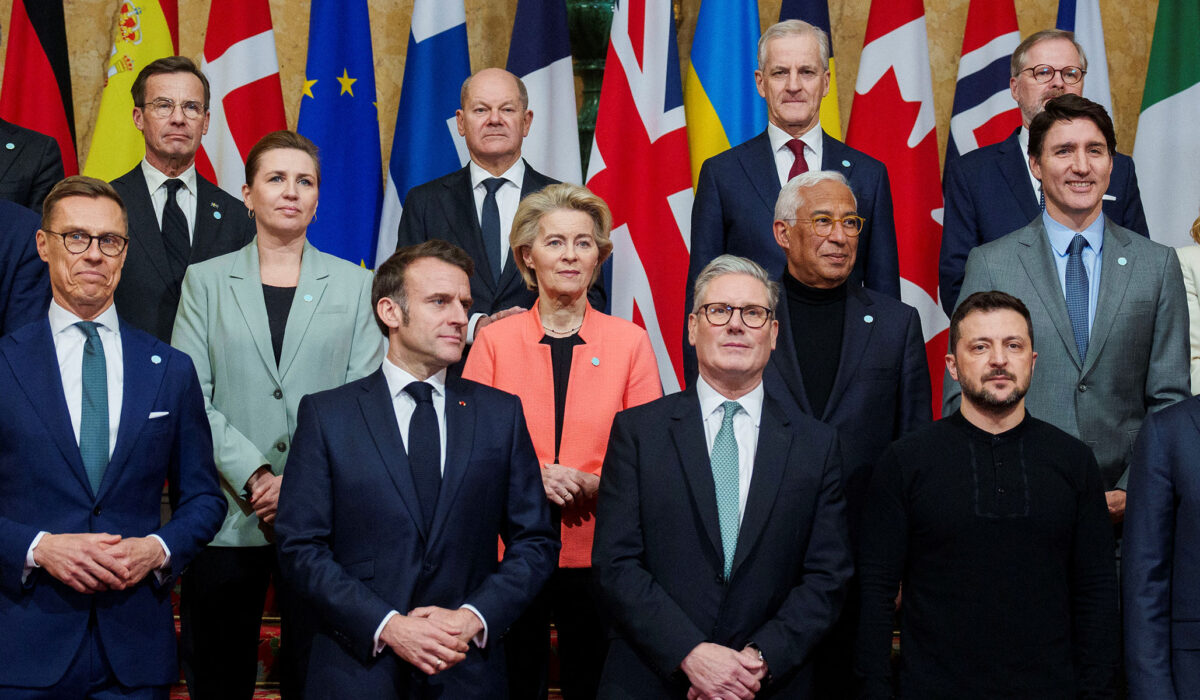
Europe Can’t End Its Own War, and That Matters
The once-great European powers can’t even dictate the end of a war involving a European country whose fate they deem crucial to their own future. That failure is not just diplomatic embarrassment, it has strategic consequences for allies and for the Western order. It also exposes deep weaknesses in politics, energy, and defense across the continent.
Capitals from London to Berlin talk tough yet struggle to translate words into leverage. Political class signaling and moral condemnations matter, but when coercive power is needed those same capitals often fall short. Voters see inconsistency and wonder why rhetoric is not matched with results.
One big factor is military readiness. Years of peace budgets left many European militaries underfunded and short on critical capabilities, which limits options beyond sanctions and statements. When boots, aircraft, and logistical reach are thin, diplomacy has less bite.
Energy dependence is another structural problem that reduces leverage. Too many European economies still rely on unstable or hostile energy suppliers, shrinking their room to pressure aggressors without self-harm. That dependency shapes policy and weakens unity when tests come.
Domestic politics complicate decision making. Coalition governments, election cycles, and activist courts add friction to fast, coherent policy when a crisis emerges. Leaders who fear political backlash will often prioritize short-term optics over long-term results.
Public opinion plays a role, and it is often mixed. Citizens support humanitarian aims but recoil at the prospect of sustained commitments or higher taxes to fund defense. That gap forces politicians into compromises that undercut credible deterrence.
European institutions, built for cooperation in calm times, are not optimized for coercive crisis response. Consensus mechanisms and legal checks slow decisive action when speed matters most. That mismatch between structure and need leaves real power in the hands of a few decisive states or external partners.
The United States remains the outside actor with the most capacity to change the equation, but American leadership is not a blank check. Republican thinking stresses that burden sharing is essential, and allies must step up with spending, capabilities, and clear policy goals. Relying on U.S. guarantees without matching commitments invites miscalculation.
Sanctions and economic measures are useful tools, but they are not a substitute for credible defense posture. They affect long-term economics, yet their immediate coercive effect is limited when adversaries prepare for prolonged pressure. A balanced approach pairs targeted economic pain with visible military support for partners.
Realpolitik matters as much as values. Standing by principles requires the means to enforce them when necessary, otherwise words ring hollow. Republican pragmatism argues for strength first, then diplomacy from a position of advantage.
Europe’s inability to dictate outcomes in a nearby war is a wake-up call. It shows the cost of underinvestment, strategic dependence, and political paralysis. If the West wants influence, it must build the capacity that gives it credibility at the bargaining table.
That means tougher budgeting choices, clearer political mandates, and a shared willingness among allies to pay the price of security. Failure to do so hands advantage to those willing to use force and to those who exploit disunity. The choice is stark: regain leverage or keep watching wars unfold while issuing statements that change little.