

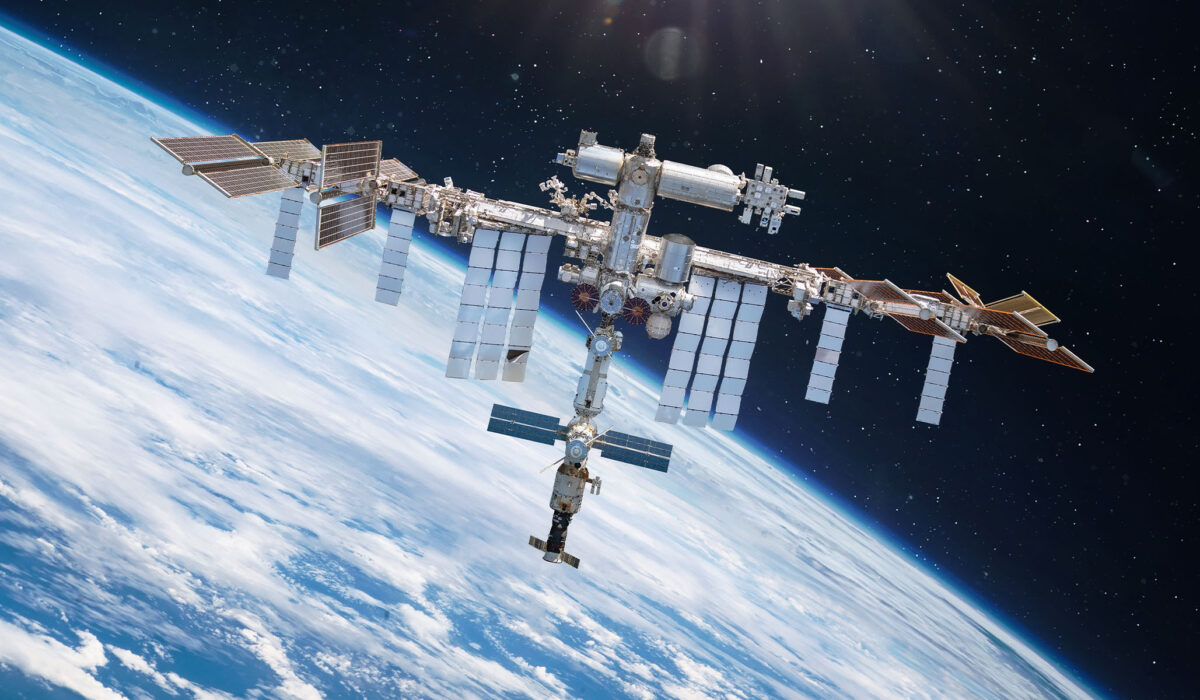
The ISS: Sky-High Costs, Minimal Returns
The International Space Station has long been hailed as a symbol of cooperation, but its price tag has outpaced the payoff. With sky-high costs for minimal returns, the ISS has failed on both the geopolitical and scientific research fronts. That mismatch between investment and outcome deserves a clear-eyed look.
On the geopolitical side, the station was meant to bind partners together and project soft power. In practice, it has become a costly platform that obscures diverging national interests and uneven contributions. When the project no longer unites strategy and spending, the diplomatic value fades.
From a scientific standpoint, the ISS promised breakthroughs across disciplines, yet many experiments deliver incremental results. The unique microgravity environment has produced useful data, but the volume and impact of those findings are limited compared with the resources poured in. That gap raises questions about where research dollars should go next.
Budget realities matter more than symbolism. Continual funding requires trade offs in national budgets, and ongoing ISS maintenance crowds out other priorities. When programs eat up capital without clear, scalable returns, taxpayers deserve alternatives that deliver more tangible benefits.
Operationally, the station is expensive and aging, and replacement parts and labor are not cheap. Maintaining orbit for decades drives recurring bills that grow as systems degrade. Sunk costs can trap agencies into prolonging a program that no longer aligns with strategic value.
Technological spin offs are often cited as a justification, but those benefits are uneven and hard to quantify. A few high-profile advances get a lot of attention, while many smaller projects struggle to translate into commercial or medical breakthroughs. That inconsistency undermines a wholesale defense of the program.
Geopolitics around the ISS are complicated by competing national priorities and shifting alliances. Partners can be unreliable, and cooperation in space does not always translate into stable cooperation on Earth. Relying on an expensive shared platform for political goodwill is a fragile strategy.
Shifting to a market-driven model deserves serious consideration. Private companies are already proving they can deliver services to low Earth orbit with greater efficiency and at lower cost. Embracing competition and commercial infrastructure could refocus public funds on research with clearer returns.
From a policy perspective, decision makers must ask hard questions about mission goals and accountability. Funding should align with measurable scientific outcomes and strategic interests, not just tradition or prestige. A candid reassessment can protect both innovation and the public purse.
Any transition away from the ISS ought to be pragmatic, staged, and evidence based. Aircraft and maritime history show that infrastructure lifecycles require planning and investment in successors. The core issue is getting more value per dollar while preserving critical research capabilities.
Policymakers and the public need transparent metrics for assessing success, not platitudes about cooperation or exploration. If the station cannot justify its ongoing cost through clear scientific progress and geopolitical stability, alternatives should be pursued. The conversation should be about results, stewardship, and smarter spending going forward.