

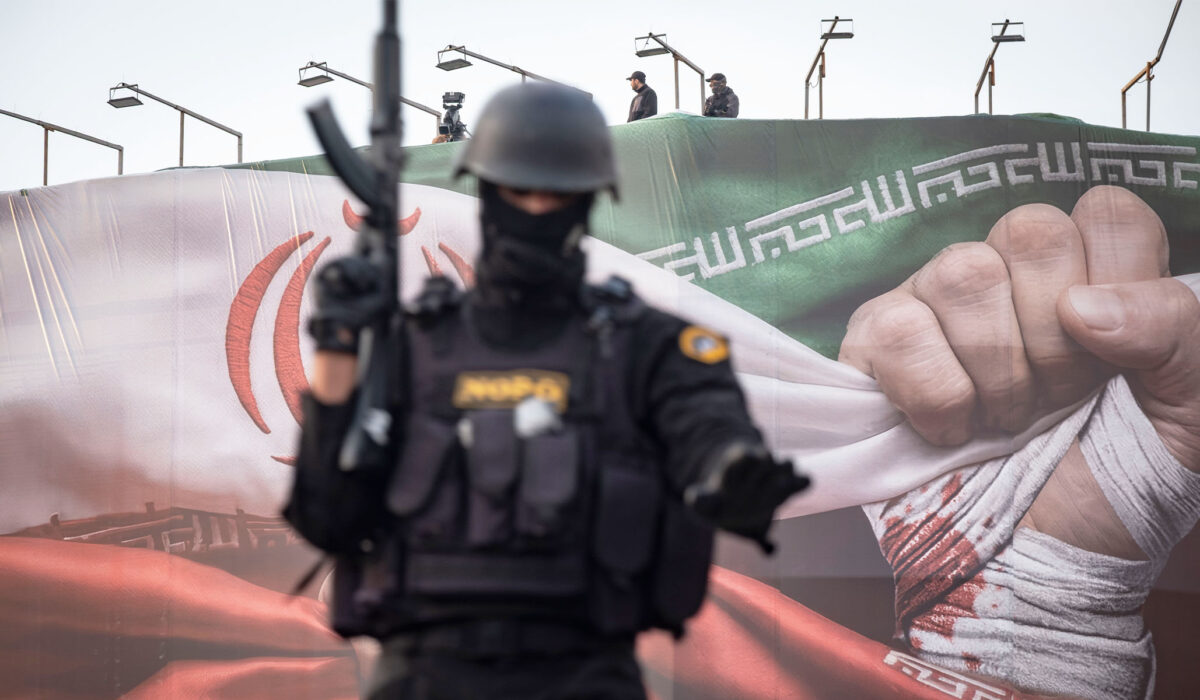
When Survival Means Slaughter: Iran’s Tradeoff Between Power and Legitimacy
The Iranian leadership has chosen a stark path: crush dissent to stay in power, even if doing so destroys any remaining claim to legitimate rule. That tradeoff is deliberate, brutal, and politically calculated. It exposes a regime more interested in survival than in consent.
Security services, militias, and the Revolutionary Guard have been the instruments of that calculation, using lethal force, mass arrests, and intimidation to silence opposition. Public spaces have become battlegrounds where fear is the main policy tool. Each act of repression is meant to deter the next uprising.
On the streets, the effort to intimidate backfires by widening anger and deepening mistrust of the authorities. Families who lose loved ones do not quietly go home; they bear witness and spread the story. Repression creates martyrs and hardens resistance.
Internationally, the costs are obvious: isolation, sharper sanctions, and a shrinking circle of partners willing to offer political cover. Tehran’s rhetoric about sovereignty and resistance rings hollow when images of brutality dominate the headlines. Hard power without legitimacy only narrows diplomatic options.
The economy pays the price, too, with sanctions and mismanagement piling on the consequences of a regime that diverts resources to security and patronage. Ordinary Iranians shoulder shortages, inflation, and joblessness while the state prioritizes control. Squeezing the population to fund repression erodes whatever compliance once existed.
To mask weakness at home, the regime leans on regional adventurism and proxy networks, exporting conflict to stay relevant. These moves shift attention outward but also raise the stakes, making the state riskier and more isolated. Aggression abroad is a cover for fragility at home.
Propaganda tells a different story: Tehran portrays itself as besieged, framing internal unrest as foreign-led chaos. That narrative aims to legitimize crackdowns by casting opponents as enemies of the nation. Yet violence undercuts the story, revealing nervous rulers who fear their own people more than external threats.
From a Republican perspective, this is a regime that has discarded any pretense of representative governance and now depends on brutality to cling to power. The proper response is clarity about who the actors are and what they stand for, not wishful thinking about reform from within. Realism demands pressure and accountability.
What the regime gains in immediate stability, it loses in longevity and credibility. Brutal tactics concentrate power but hollow out institutions and trust, leaving a brittle system that can snap in unforeseen ways. Survival built on violence is inherently fragile.
The scene to watch is the growing disconnect between rulers and ruled as every act of repression feeds new networks of resistance. Those networks are often decentralized, resilient, and motivated by personal loss rather than ideology. The regime’s reliance on slaughter is a bet that terror can replace legitimacy, and that gamble carries consequences beyond its borders.
History shows that states that rest governance on fear tend to accelerate their decline, not secure their future. The choice Iran’s leaders have made is stark: preserve power today by killing dissent, or build legitimacy for tomorrow by addressing grievances. For now, the calculus is clear, and the human cost is visible to all.