

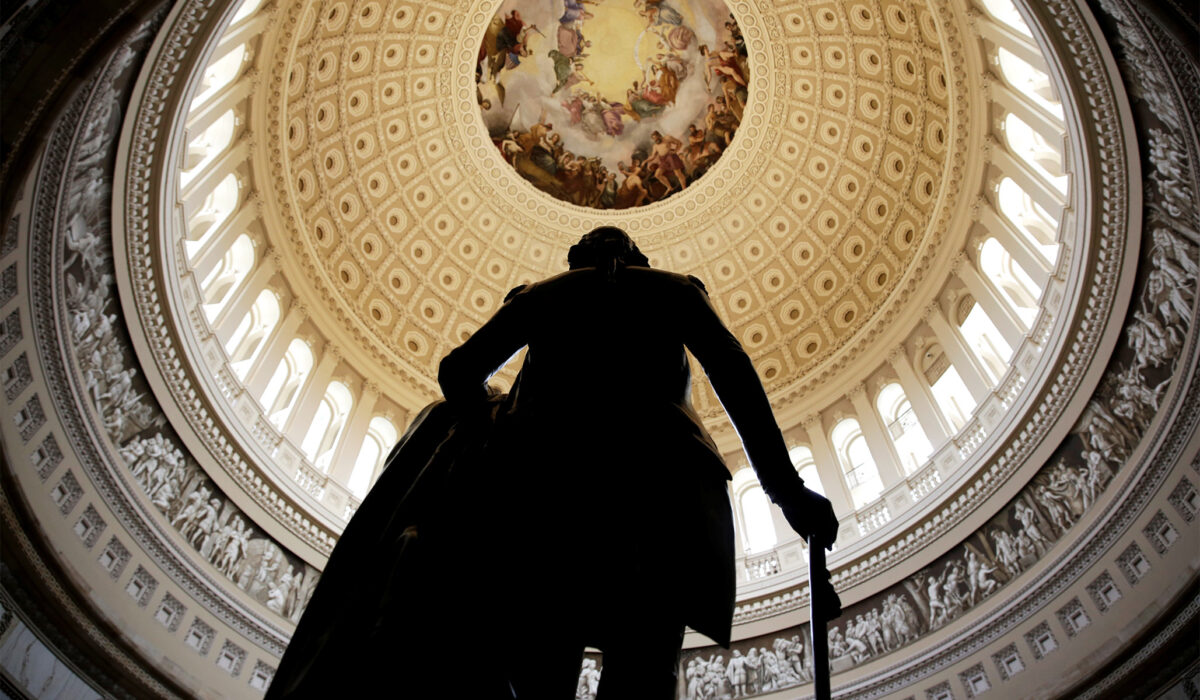
George Washington’s Birthday Deserves Its Own Honor
George Washington’s birthday should not be a celebration of presidents in general. That idea flattens a singular place in our history into a generic holiday. It’s worth saying plainly: Washington is not interchangeable with every occupant of the Oval Office.
Washington led the Continental Army, presided over the Constitutional Convention, and set norms for the new republic that still matter today. His role was foundational in a way later presidents could never replicate because they built on the framework he helped establish. That matters to conservatives who value original intent and constitutional continuity.
Turning Washington’s birthday into a catch-all “Presidents’ Day” sends a subtle message that all presidents are equally emblematic of the nation’s founding. That erases the distinction between the men who created the republic and those who inherited it. A holiday that began to honor one person should not dissolve into indistinction without good cause.
The shift toward a Monday holiday and a broad celebration happened for convenience, not principle, with the Uniform Monday Holiday Act changing the calendar in 1971. The change made sense for work schedules but also encouraged the merger of very different civic meanings. Convenience should not become the reason we forget why something mattered in the first place.
When a nation stops recognizing the specific contributions of key founders, civic memory grows thin and ceremonial gestures become hollow. That matters because symbols shape citizenship; we teach children what to revere by what we preserve. For those who take the lessons of 1776 seriously, Washington’s birthday is a living link to the birth of ordered liberty.
Washington set a standard of leadership that emphasized restraint, duty, and fidelity to the Constitution. He refused power when he could have kept it and returned authority to the people’s institutions. Those actions are not merely historical trivia; they are examples Republicans often point to when arguing for limited government and civic virtue.
Some argue a single presidents holiday is more practical and inclusive, honoring the full arc of the office. That argument has surface appeal, but practicality should not erase meaning. There’s room in civic life for both recognition of the presidency as an institution and a distinct day that honors the founder who framed it.
Protecting the distinct memory of Washington does not require disparaging later presidents or ignoring their contributions. It does mean we treat the origin story of the republic with care and precision. Honoring Washington specifically keeps the first principles visible and in active civic use.
The case for keeping Washington’s birthday focused is simple and unapologetic: founding moments deserve their own place in the calendar. If we let that date become merely another day off, we risk losing a clear reference point for the ideals that made the nation possible. That’s a loss worth resisting, plain and straightforward.