

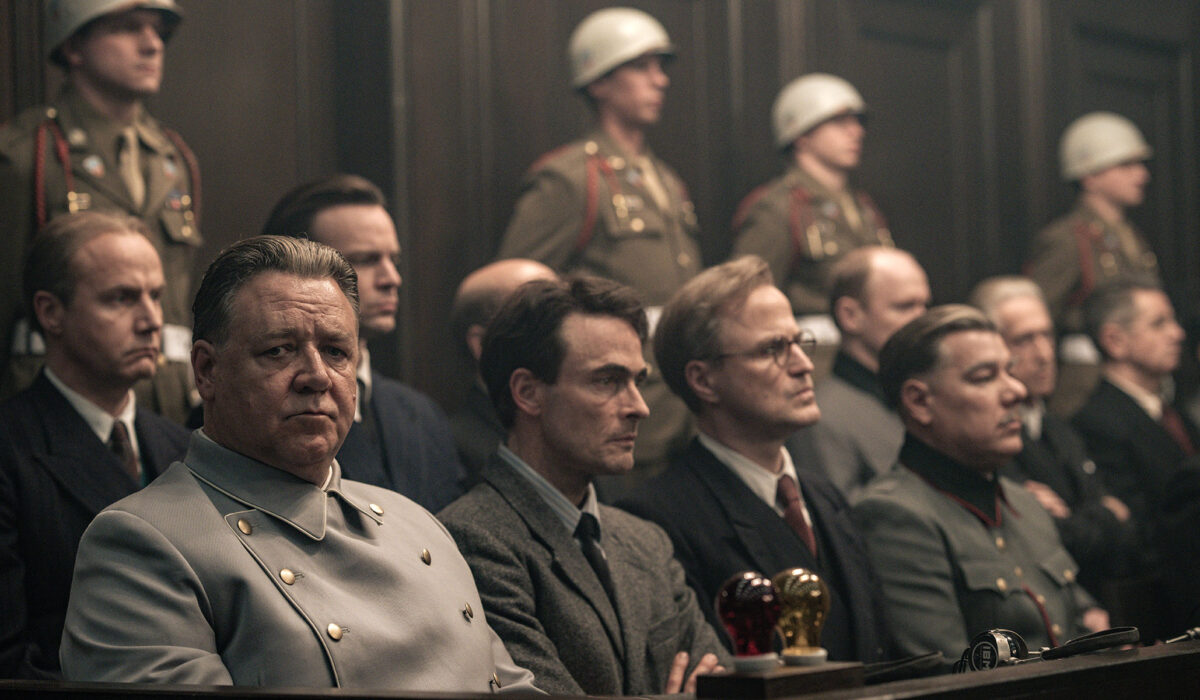
Film Review: A New Look at the Nazi Trials
“The film about the pivotal Nazi trials poses uncomfortable and critical questions.” It moves between courtroom tension and historical record without pretending the answers are tidy. The movie forces viewers to hold legal procedure, moral outrage, and the weight of history in the same frame.
Set in the shadow of postwar reckoning, the film revisits trials that reshaped international law and public conscience. It uses archival documents, witness testimony, and dramatized scenes to sketch how tribunals tried to balance punishment with precedent. Those moments illuminate procedural innovations while also showing how fragile any claim to clear moral closure can be.
The director stages the courtroom as a theater of fact and emotion, letting dry legal exchange sit alongside raw memory. Cinematic choices — long takes of witnesses, tight close-ups on judges, and sober reconstructions of evidence — underline the tension between proof and belief. That tension becomes the film’s engine, pushing viewers to judge both the actors on screen and the institutions they represent.
Central to the experience are the film’s portraits of the accused, the prosecutors, and the survivors who testify. Performances resist caricature: some defendants are shown as bureaucrats who never lifted a rifle, while survivors provide testimony that refuses easy absorption into a narrative of victory. The contrast is deliberate, asking whether accountability rests on intent, orders, or the systems that enabled atrocity.
Legal questions get close attention without turning the movie into a seminar. Issues like command responsibility, collective guilt, and the limits of ex post facto justice are woven into testimony and cross-examination, not explained away by voiceover. By keeping law anchored to individual stories, the film shows how doctrine encounters the messiness of human life.
Ethically the film is uneasy, and that unease is part of its point. It refuses to sanitize the process of bearing witness, showing how testimony can be both cathartic and contested, elevating memory while exposing its frailties. That complexity invites viewers to grapple with the difference between legal vindication and moral reckoning.
Cinematically, the production favors restraint over melodrama, and that choice pays off by letting details accumulate rather than screaming for attention. Editing links documentary fragments with staged moments, so context builds around each piece of evidence instead of announcing conclusions. The result is a layered narrative that rewards attention and rereadings.
The film also asks uncomfortable questions about who gets to tell history and how stories are framed for public consumption. Newsreel aesthetics and private testimony collide, revealing the role of media, memory institutions, and archives in shaping perceptions of justice. That scrutiny of storytelling itself becomes a secondary trial, in which audiences judge the film’s honesty.
While focused on a specific historical moment, the film resonates because it shows how systems can normalize atrocity through paperwork, routine, and distance. Viewers are left with scenes that linger: a witness’s quiet defiance, a lawyer’s exhausted logic, a judge’s attempt at impartiality. Those images refuse simple closure and keep asking what accountability looks like when institutions and habits play a part.
Ultimately, the film offers no tidy verdict, and that is its most unsettling achievement. It stages law, memory, and morality in collision, inviting a kind of civic attention that is both demanding and unavoidable. The questions it raises will stay with anyone who watches, which might be exactly what the filmmakers intended.