

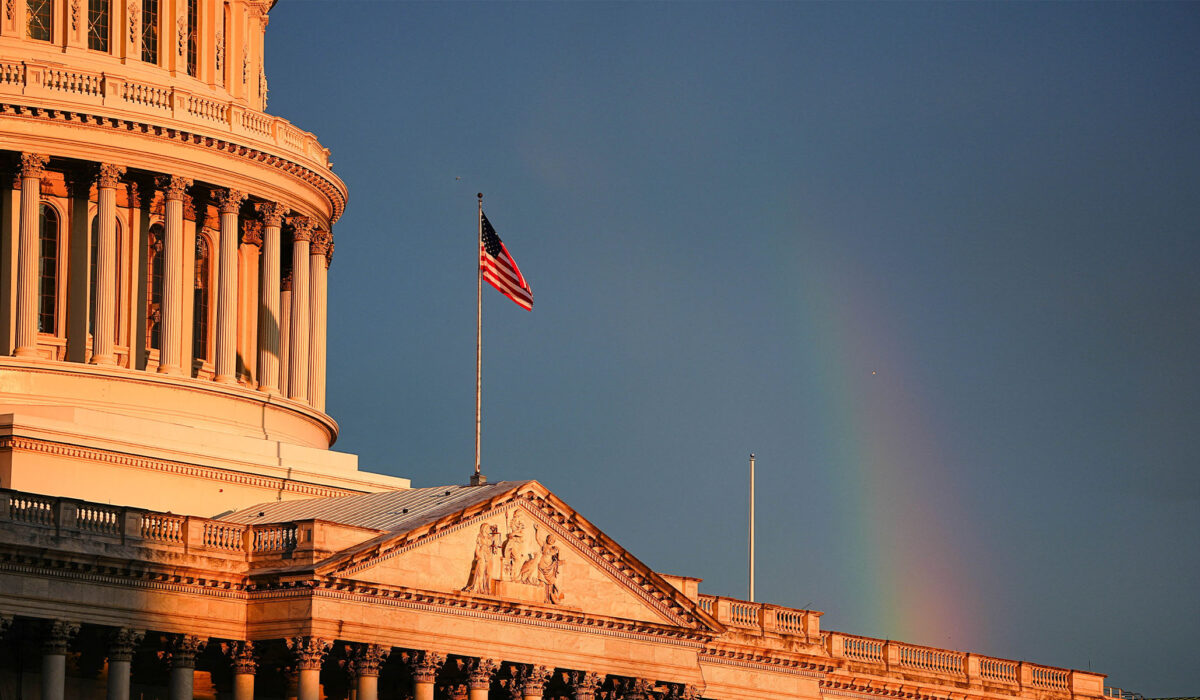
We’re five weeks into a government shutdown. It should be the last one.
We’re five weeks into a government shutdown. It should be the last one. Families, veterans, and wage earners are feeling the pinch while Washington circles the wagons and blames the other side.
Across federal agencies, vital services are throttled back and uncertainty is the new normal for many workers. Contractors aren’t getting paid on time and small businesses that rely on predictable government purchases are scrambling. That ripple hits Main Street faster than most D.C. insiders admit.
The human cost is immediate: furloughed employees, delayed permits, and slower benefits checks. For those on fixed incomes or running small shops, a multiweek shutdown is not an abstract policy fight but a real threat to bills and payroll. The longer this lingers, the worse the damage to confidence and local economies.
National security and readiness don’t pause just because budget talks stall. Military families face uncertainty over pay and deployment support while intelligence and maintenance backlogs grow quietly. This strain chips away at preparedness in ways voters will see only after a crisis hits.
Republicans argue that fiscal discipline matters and that spending needs to be reined in to prevent long-term economic harm. That position is about protecting future growth and the dollar in every American’s pocket, not ideology for its own sake. Responsible budgeting should never be used as an excuse to neglect core priorities.
Border security is part of this conversation and voters expect practical solutions, not theater. Weak enforcement and open lines for illegal crossings impose costs on communities, law enforcement, and hospitals that local taxpayers absorb. Any lasting budget deal needs clarity and enforcement on immigration policy.
Meanwhile, reckless or open-ended spending deals invite more shutdowns, not fewer, when fights shift to next year’s appropriations. The cycle of short-term patches is bad policy and worse governance. A strategy that forces regular brinkmanship is no kind of stability for families or the economy.
There are smarter ways to avoid these stalemates: set clear spending caps, tie any emergency relief to measurable outcomes, and give appropriators time to do their jobs without last-minute holdups. Committees should draft and pass bills earlier, and Congress should insist on transparency so taxpayers know where dollars go. Accountability reduces posturing.
Congress also must protect those who serve and depend on government payrolls when gridlock happens. Automatic contingency plans for pay, benefits, and essential permits should be baked into funding processes so ordinary Americans don’t bear the brunt. That’s practical governance, not a political favor.
There’s a political angle too: voters remember who caused the uncertainty, and they remember who offered workable solutions. Lawmakers of both parties face pressure to break the shutdown cycle and prioritize stability over headline-grabbing fights. Republicans who press for fiscal sanity should pair it with concrete protections for the vulnerable.
The immediate task is clear: reopen government with terms that prevent repeat shutdowns, protect the essentials, and put guardrails on future spending. That requires negotiation, yes, but also backbone and clear priorities. The people paying the price expect nothing less than durable fixes, not another stopgap that puts families and services on hold.