

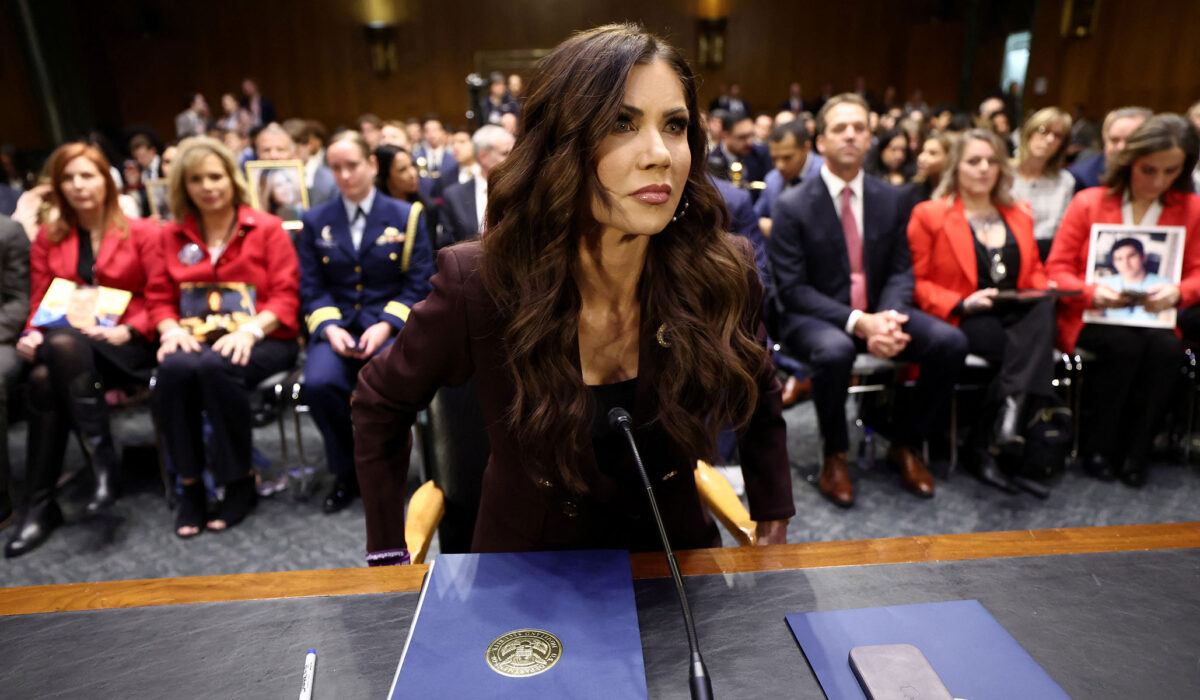
Why Kristi Noem’s Fit for Office Is Misunderstood
Kristi Noem left the South Dakota governor’s office carrying a mix of praise and pushback, and the debate about her suitability keeps getting louder. Critics label her as ill-suited for some roles, but that view misses how she governed and why voters supported her. This piece looks at her record and the political reality around perceived fit.
Noem built a profile around limited government and rural priorities, choices that resonated with many conservative voters. She emphasized local control, agricultural issues, and cutting red tape to help small businesses and family farms. Those are not abstract talking points; they shaped state policy and public expectations.
On public health and pandemic response, Noem favored keeping schools and businesses open more than many other governors did. That approach attracted both praise from people who valued normalcy and criticism from those who wanted stricter mandates. Whether you agreed or not, her choices reflected a consistent philosophy about individual liberty and state authority.
Her focus on personal freedom and economic activity made her a lightning rod for national attention, which amplified every decision and misstep. Political figures who take bold stands often invite amplified scrutiny in return. The scrutiny is part of being a national conservative voice, and it doesn’t automatically disqualify someone from being effective at governing.
Noem’s style is unapologetically direct, and that style can be polarizing in Washington and on cable. Some see it as refreshing straight talk, while others call it abrasive. Style matters in politics, but it is separate from judging policy competence and results.
Economically, South Dakota maintained a business-friendly environment under her leadership, which supporters credit to lower regulation and tax priorities. Those policies are popular with entrepreneurs and rural communities that depend on predictable rules. Critics might point to tradeoffs, but many locals cite tangible benefits from deregulation.
She also made conservative cultural issues a priority, aligning with activists who wanted a clear voice on topics like school choice, parental rights, and local curriculum decisions. That alignment made her a symbol for a national movement pushing back against federal influence. Being a symbol carries both influence and the burden of representing an agenda to skeptical audiences.
Noem’s critics often blend policy objections with personal attacks, which muddies the debate about whether she fit the job. Distinguishing between governance and personality matters if we want honest evaluation. A clear-eyed look separates policy outcomes from media-driven narratives about temperament.
Her national ambitions shifted expectations and scrutiny further, since stepping onto a larger stage invites different measures of fit and readiness. Running for higher office means answering questions that never affected state-level voters. That transition can expose strengths and weaknesses that were invisible in a governor’s role.
Republicans who back her say she understands conservative priorities and brings a relatable, boots-on-the-ground perspective. That kind of connection matters when translating ideology into policy in rural America. Supporters argue those strengths outweigh the theatrical aspects of modern politics.
On the flip side, opponents argue experience and coalition-building in Washington are different skills than leading a state. That’s a fair point for any candidate moving from state to national politics. The true test is whether someone can adapt their principles to a broader arena while maintaining effectiveness.
Noem’s record shows a governor who prioritized conservative governance and rural interests, not a technocratic or centrist approach. For many voters, that was precisely the point. It also explains why her critics question her fit when measured against different expectations.
From a Republican perspective, fit should be judged by policy clarity, commitment to conservative principles, and the ability to deliver results for constituents. By those metrics, Noem’s tenure offered clear signals about what she values and how she governs. That clarity is both a political asset and a lightning rod.
In the end, whether she was well-suited depends on what you expect from a leader: a steady technocrat, or an unapologetic conservative who reshapes priorities and courts controversy. Both roles have costs and benefits, and voters decide which tradeoffs they accept. The conversation about fit is likely to continue as the political landscape evolves.