

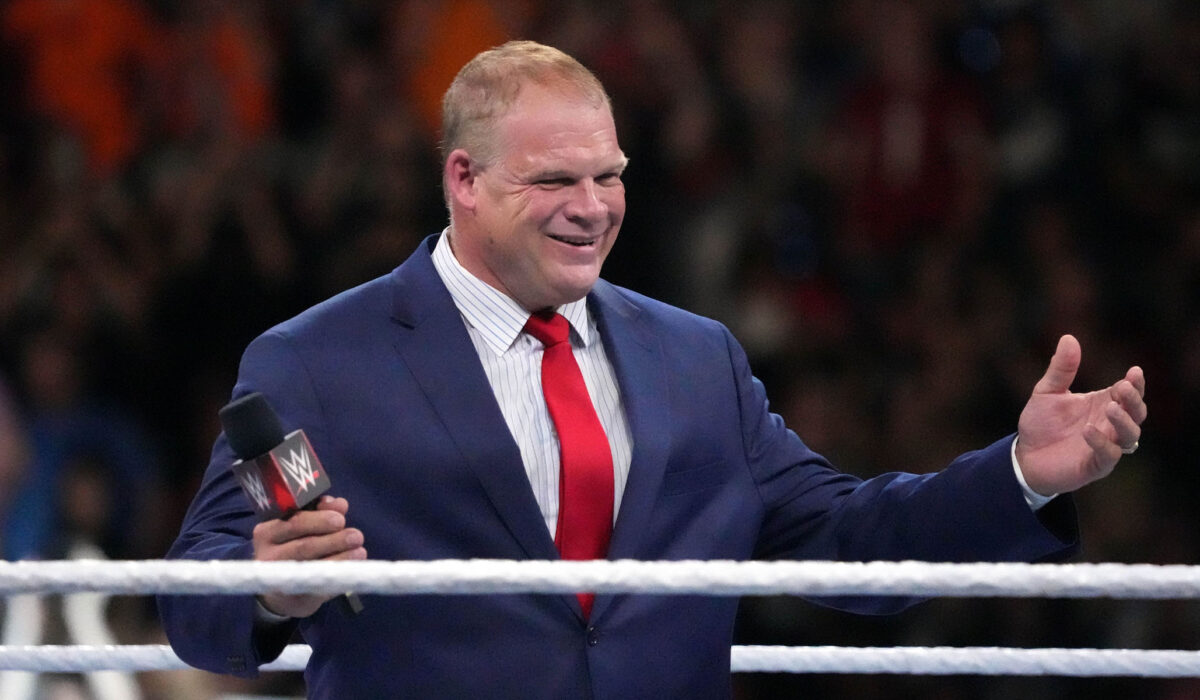
Glenn Jacobs and a Plan to Reunify the Conservative Movement
Professional wrestler turned Tennessee local mayor Glenn Jacobs wants to reunify the conservative movement. He brings a mix of name recognition, executive experience, and a straightforward message about priorities. His pitch centers on practical politics over intra-party drama.
Jacobs argues that conservatives win when they focus on local government and everyday problems rather than endless purity tests. That means delivering results on taxes, safety, and services voters notice. It also means building coalitions that can translate local success into broader gains.
His background gives him an unusual platform: familiarity with the spotlight and a record of running a municipal operation. That combination can help cut through media noise and show voters what conservative governance looks like in practice. Voters respond to competence more than to slogans.
One of the key themes Jacobs emphasizes is discipline in messaging. Instead of letting social media skirmishes define the agenda, his approach leans on consistent, repeatable points that resonate across demographics. Clear priorities make it easier to recruit candidates and run winning campaigns.
Part of the reunification task is rebuilding trust among different conservative camps. From fiscal hawks to cultural conservatives, each group has real concerns but they often talk past each other. Jacobs proposes emphasizing shared goals so disparate factions stop treating each other like the enemy.
Local victory is a recurring motif in his thinking. Mayors and county officials solve the problems that shape people’s daily lives, and those wins create concrete proof that conservative ideas work. Investing in local infrastructure, schools, and public safety can produce tangible results that voters remember at the ballot box.
Another practical angle is candidate development. Winning requires people who can govern, not just perform in primaries. Jacobs pushes for training, fundraising networks, and coordinated messaging so conservative candidates are prepared for general elections and the responsibilities of office.
Policy clarity matters too. Conservatives can rally around core principles like accountable spending, secure communities, and parental rights in schools without losing sight of broader economic freedom. Clear, actionable policies beat abstract purity tests when persuading undecided voters.
Coordination between national groups and local activists is central to the reunification model Jacobs favors. National leaders can provide resources and strategic guidance while local teams run the campaigns that win elections. That division of labor strengthens the movement without flattening the diversity of ideas within it.
Jacobs also underscores the importance of persuasion over ostracism. When conservatives spend more time attacking each other than persuading the middle, they cede ground. Rebuilding a culture where debate is robust but not destructive is at the heart of his pitch.
The challenge is substantial because modern politics amplifies division and rewards instant outrage. Still, Jacobs believes steady wins on the ground will recreate a winning coalition. Whether his mix of celebrity, local governance, and message discipline can scale is an open question with real stakes for the future of conservative politics.