

Ferry Farm, Kenmore, and a Question About His Mother
I visited Ferry Farm to see the archaeology tied to his boyhood home and then went to Kenmore to admire the plasterwork. The trip mixed dirt, dust, and painstaking craftsmanship in a way that felt immediate and alive. Along the way a question kept bumping into conversations, “was his mother a battle axe?”
At Ferry Farm the archaeology is the headline act, not a footnote. Trenches, soil profiles, and careful cataloguing have revealed foundations and everyday objects that turn a hazy childhood into something you can trace with your fingertips. Those fragments make the landscape less abstract and more like a lived place where small choices mattered.
The finds are mostly humble: nails, ceramics, bone fragments, and the faint outlines of hearths and fences. Each item sits in a layer of context that tells a story about work, play, and domestic rhythms. That granular detail helps historians move beyond myth and toward evidence-based scenes of daily life.
Ferry Farm’s interpretation mixes signage, reconstructions, and staff-led explanation to bridge the gap between archaeology and imagination. You get maps showing where features once stood and labeled objects that anchor narrative to artifact. The result is accessible without being simplistic, a balance that respects both science and story.
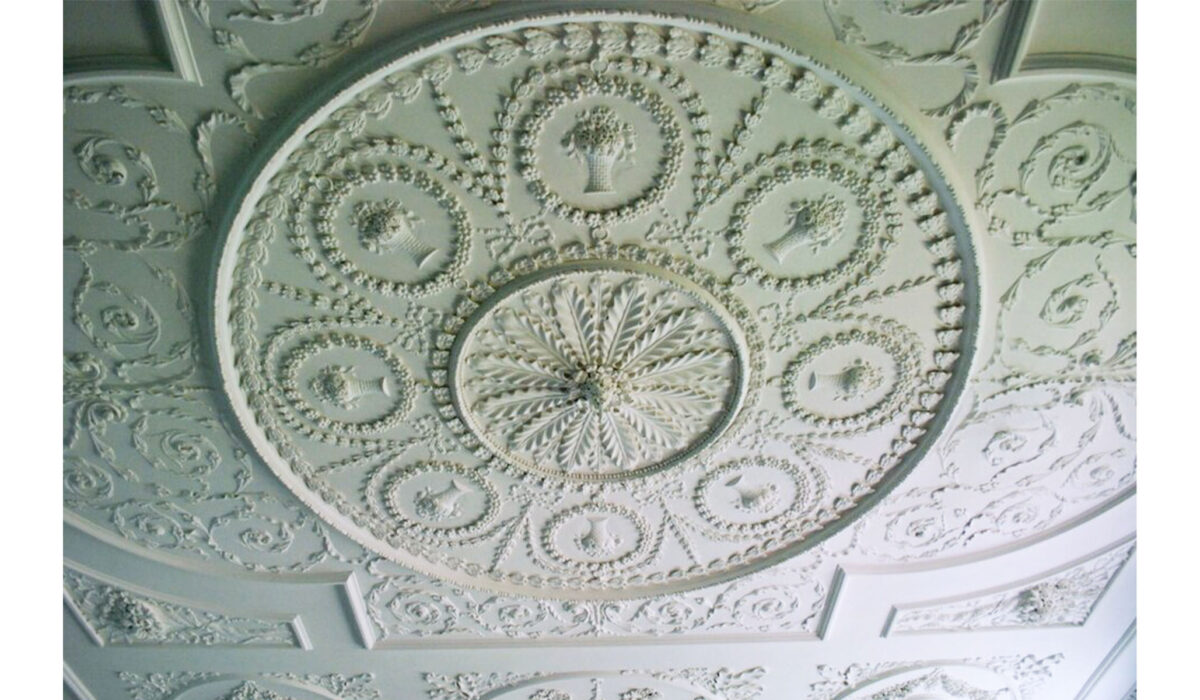
Kenmore offers a very different kind of close looking, one focused on fine craft rather than soil. The plasterwork there is ornate and deliberate, full of patterns that rewarded skilled hands and patient eyes. Conservation efforts reveal layers of repair and technique, so you can see both the original workmanship and the centuries of care that kept it visible.
Walking from one site to the other highlights two ways the past survives: through the buried and the decorated. Ferry Farm preserves traces of everyday survival and movement, while Kenmore preserves choices about display, status, and taste. Together they sketch a broader cultural landscape where family life and public image intersected.
The human question threaded through both places is about the people behind the objects. Was she strict, forceful, or simply practical when managing a household? The line “was his mother a battle axe?” captures that curiosity without settling it, and it points to how family reputation and gendered expectations shape historical memory.
Those domestic questions matter because they influence the choices people made and how they were remembered. Archaeology and decorative arts supply evidence that can confirm, complicate, or overturn old assumptions. Instead of tidy conclusions, the work often leaves room for rethought characters and revised motives.
Both sites also show that preservation is ongoing work, not a one-time rescue. Excavation, conservation, and interpretation each require skilled teams and steady funding, and they change as new methods and ideas arrive. That process keeps these places relevant and ensures the past stays responsive to fresh questions rather than frozen in a single story.