

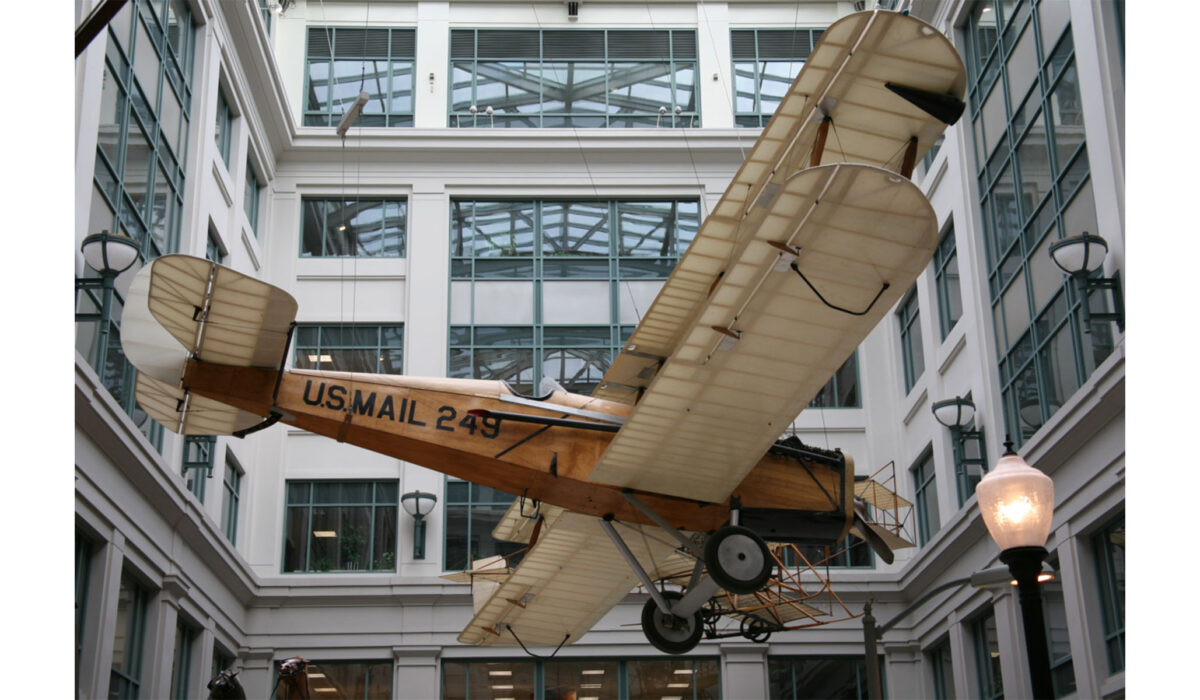
U.S. Postal Service: A Strange Past and Present
The U.S. Postal Service grew out of necessity—early settlers needed reliable ways to send letters, legal documents, and packages across vast distances. Over time it became more than a delivery system; it helped knit the country together, supporting commerce, news, and personal ties. That long-running civic role explains why postal policy still sparks strong feelings today.
From horseback riders to tractor-trailers, the methods changed while the mission stayed the same: connect people and places. Innovations like rural free delivery, ZIP codes, and parcel post redefined expectations about speed and access. Those updates also produced odd anecdotes that have lingered in public memory.
One of the oddest stories from postal lore is that people once used the mail to move surprising things, including live animals and even children under certain circumstances. Today that practice would be unthinkable and is explicitly illegal, a boundary that reflects modern safety and child protection standards. The shift from quirky loopholes to strict rules shows how seriously regulators now treat basic human safety.
The Postal Service has weathered major historical shifts, from wars and economic crises to the information age. Each era forced operational changes: more routes, new sorting technology, and different pricing structures. Those adjustments helped keep the mails running even as the volume and nature of shipments evolved.
Financial pressures are a constant theme in recent decades, driven by shrinking first-class mail and rising costs. The model that once relied on steady letter volumes now must compete with private couriers for parcels and rely on postage and service fees for revenue. Debates about subsidies, universal delivery, and reform have become routine in policy circles.
Despite the money talk, millions still depend on everyday postal services for essentials like medication, bills, and reliable identification. For rural communities especially, the postal carrier remains a critical connection to the broader economy. That practical dependence explains why postal policy debates feel personal to so many voters.
Beyond logistics, the post office has cultural weight: stamps, postmarks, and mailboxes are everyday symbols of national life. Designers and collectors celebrate stamps as small public artworks that commemorate history and achievement. Those symbols remind people that the postal system is part infrastructure and part shared civic experience.
Operationally, modern postal managers juggle automation, staffing, and delivery optimization to meet rising parcel demand while preserving universal service. Investments in sorting technology and route planning aim to cut costs and improve speed without abandoning doorstep delivery. The trade-offs are technical, but the outcomes affect real people across the country.
Public perceptions often hinge on personal experience—late packages, post office hours, or friendly carriers can shape opinions as much as national headlines. That mix of everyday service and occasional scandal fuels lively debate about the Postal Service’s future. Whatever policy choices come next will have to balance efficiency, fairness, and the public interest.
The Postal Service’s story is full of contrasts: essential yet imperfect, historic yet in need of modernization, familiar yet occasionally surprising. It remains one of the few services that reaches nearly every address in the nation, and that reach carries obligations and costs. The law now draws a clear line around what counts as acceptable use of that system, and mailing a child is not part of it.