

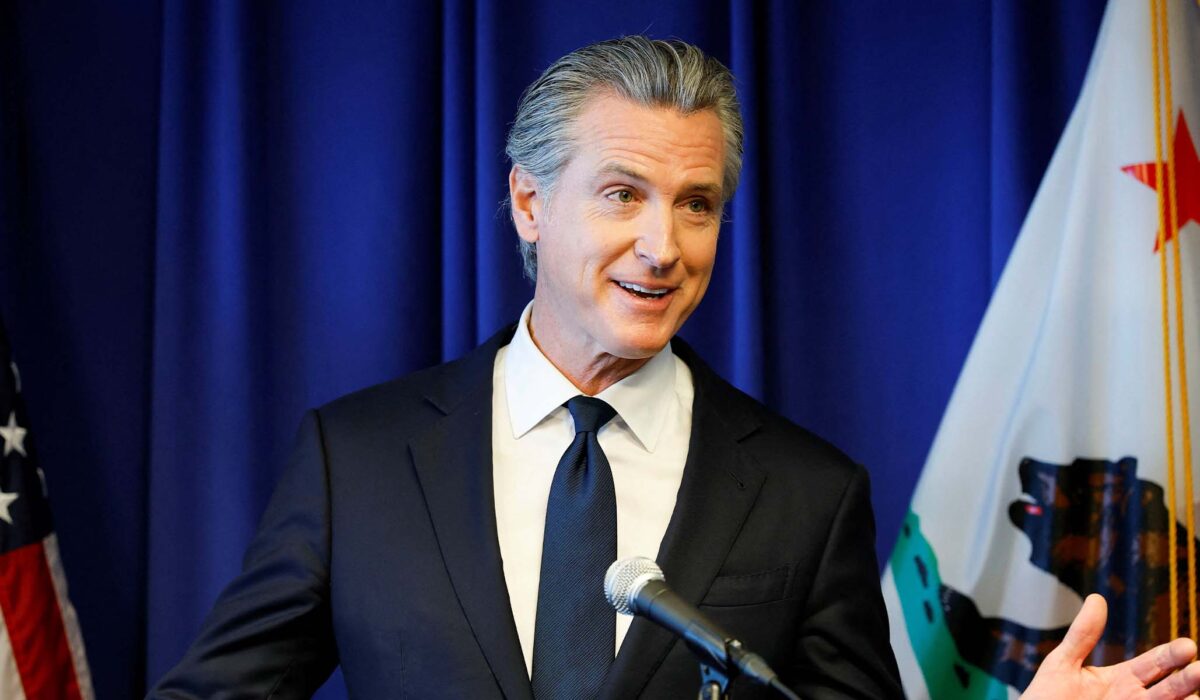
Gavin Newsom’s “One of the Boys” Act
Gavin Newsom wants you to feel like he is in the room with everyday Californians, the kind of guy who drinks the same coffee and nods at the same worries. He leans into the line that he is “one of the boys” and markets familiarity like a campaign accessory. That pitch is polished and intentional.
Onstage charm and friendly banter are easy to package, but governing requires more than a relatable grin. Voters see streets full of tents, rising costs at the gas pump, and businesses wrestling with regulation. A leader who truly represents working families would show measurable fixes, not just friendly faces.
Newsom’s media moments emphasize personality while policy takes the back seat. He talks like a neighbor while backing a tax and regulatory environment that often favors big firms and well-connected interests. That gap between image and impact is a common complaint from Republicans who want accountability.
The contrast matters because rhetoric can distract from real outcomes. Californians experience high taxes, complex permitting, and public safety concerns firsthand every day. Calling yourself “one of the boys” does not erase the decisions that shape daily life.
Political theater also helps shift attention away from failures in basic services. Homelessness in major cities and the strain on mental health systems have become civic crises. When leadership prioritizes optics over action, neighborhoods and families pay the price.
Newsom’s fundraising and donor rolls tell part of the story that his folksy lines do not. Big-dollar events and Silicon Valley backers often sit beside those warm, ordinary-citizen snapshots. That mix raises questions: is the loyalty to everyday voters or to the financial networks that bankroll big campaigns?
Republicans watching this play out argue for a different approach: policy grounded in clear outcomes and fiscal discipline. They point to simpler regulations, targeted spending, and public safety reforms as practical alternatives. The pitch is not about charisma; it is about measurable improvement.
Part of the political struggle is storytelling versus measurable performance. Newsom’s team crafts a friendly narrative while opponents point to metrics like migration, business closures, and crime data. Each side uses numbers, but voters decide which results matter most in their daily lives.
It is also worth noting how media coverage amplifies the “one of the boys” line. Coverage that emphasizes persona over policy benefits incumbents who rely on charm to deflect criticism. Critics argue a sharper focus on outcomes would change the conversation in Sacramento.
For many Californians, the reputation of leadership must be built on tangible change rather than stagecraft. Concrete reforms that reduce cost burdens, clear up red tape, and restore public safety will resonate more than a slogan. That is the practical yardstick voters can measure in their grocery bills and commutes.
At the end of the day, image-making is a tool, not a solution. Newsom can keep being personable and competent at the same time, but competence requires policy results. If the “one of the boys” routine is meant to reassure, it also invites scrutiny when everyday life does not feel reassured.
Republican critics will continue to press for accountability and results, while the governor maintains his accessible persona. The debate is straightforward: whose ideas deliver better lives for Californians in real terms. This is where campaign theater meets the daily test of governance.