

When Looking Good Was Risky: Fashion Hazards at the Hispanic Society
The Hispanic Society’s exhibition peels back the glossy surface of fashion and shows what people used to wear and what those choices cost them. Collections like this one force us to look beyond style and notice the materials, processes, and workplace realities that made garments and accessories both beautiful and dangerous. The gallery feels equal parts wardrobe and warning label.
“Fabrics, jewelry, and tailoring were tops, but the Hispanic Society shows us that looking good could be hazardous to your health.”
Historic textiles carried risks that are easy to overlook today. Dyes and pigments once relied on heavy metals and arsenical compounds that could stain skin, irritate lungs, or cause longer-term illness for both wearers and makers. Even mechanisms of color—how a hue was fixed to cloth—often involved mordants and bleaches that were anything but benign.
Jewelry in the past was not always high-karat metal and fine stones, especially in roadside or costume pieces. Base metals, toxic plating, and chemical finishes could leave residues that irritated skin or contributed to metal exposure over time. Some decorative treatments also used volatile compounds that degraded health with repeated contact.
Tailoring brought other hazards into everyday life through stiffeners, starches, and coatings applied to garments to hold shape. Those substances sometimes contained compounds that breathed into the air while being applied or released when a piece was heated or pressed. The same practices that made clothing sit right on a body could also expose workers and wearers to irritants and toxins.
Workers in workshops and mills faced the cumulative effects of poor ventilation, repetitive motion, and constant contact with dust, dyes, and chemicals. The phrase mad hatter is a real historical shorthand for how mercury and other agents used in hat making caused neurological and physical harm. Tailors, dyers, embroiderers, and polishers all risked different kinds of harm tied directly to the materials and techniques of their trades.
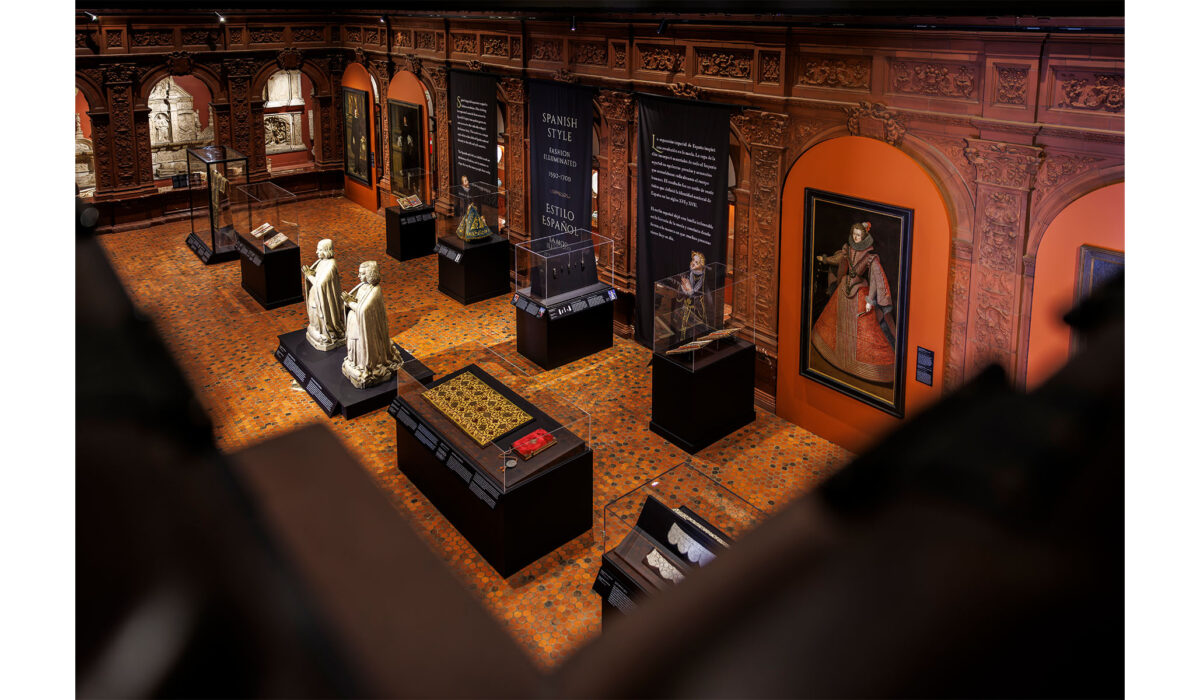
The Hispanic Society’s objects make these stories visible without turning the display into a pathology text. Labels and placement let you see a seam, a bead cluster, or the way a sleeve is finished and think about the people and processes behind each detail. Curators and conservators now balance showing the work and managing its hazards, since some artifacts still carry residues that require special handling.
That tension between beauty and danger is part of what makes fashion history so compelling and messy. Pieces that once signaled status or taste also mapped the footprint of industrial and domestic labor, chemical innovation, and shifting standards of safety. Looking at these garments prompts questions about what we accept today and what future curators will warn about in their own shows.