

Hong Kong’s Shift: What a Tragedy Revealed
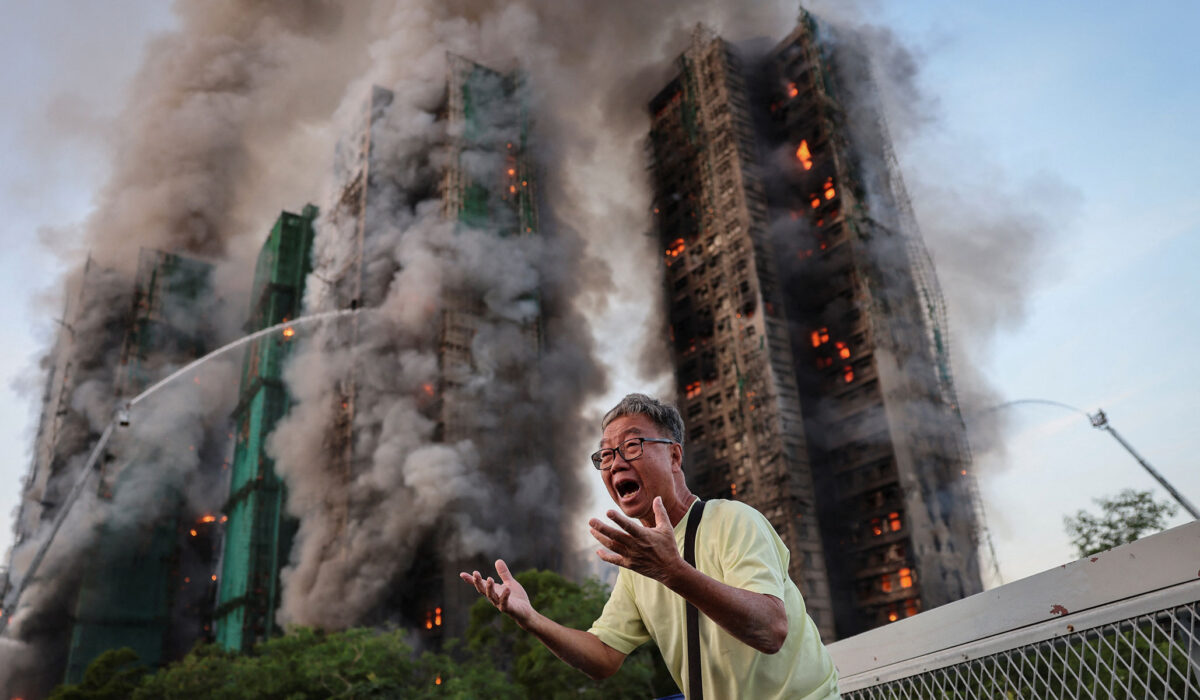
A recent tragedy in Hong Kong did more than expose an operational failure; it highlighted a deeper transformation in how the city is governed and protected. What used to be a predictable system of public safety now looks different, and that difference matters to everyone who lives or does business there. The scene was a reminder that institutional trust can be fragile.
Emergency responders arrived and worked under stress, but the response exposed gaps in planning, communication, and transparency. Citizens waited for clear information and accountable leadership and did not always get it. In a city built on efficient services, those gaps are glaring.
This is not only about competence; it is about priorities. When political control becomes the dominant concern, practical governance can get sidelined, and public safety becomes secondary to larger strategic aims.
Civil service morale and institutional independence have shifted over recent years, and that affects how problems are handled on the ground. Staff who once operated with a predictable rulebook now face new guidelines and new risks for speaking up. That changes how problems get reported and solved.
Building upkeep and enforcement are part of the story too, especially in older neighborhoods where maintenance is already a challenge. When inspection regimes weaken or become inconsistent, dangerous conditions persist longer than they should. That directly raises the human cost when something goes wrong.
Another visible change is the environment for scrutiny and reporting. When watchdogs and reporters face constraints, fewer eyes are on safety systems and fewer warnings reach the public in time. A free press and active civil society once helped catch problems early.
There are immediate economic consequences as well. Investors and residents factor in the reliability of local institutions when they decide whether to stay, expand, or leave. Perceptions of risk affect tourism, business activity, and long-term confidence in property and commercial rights.
Hong Kong’s reputation as an efficient hub depended on consistent rule of law and dependable services. When state priorities override day-to-day governance, that reputation takes a hit and international partners reassess assumptions about stability and predictability.
From a conservative perspective, the collapse of trust in basic services is a core governance failure. Strong institutions and clear accountability are not just policy preferences; they are the foundation of safety and prosperity. When those pillars weaken, everyday life becomes less secure.
What changed the incentives is important to name: central oversight and new security frameworks altered the balance of power and shifted focus away from routine governance. That rebalancing affects whose voices get heard and what problems get fixed first.
The human fallout is measurable in anxiety and movement. Talented people reassess whether their future belongs in a place where basic protections feel uncertain, and families weigh safety against ties to community and work. Those shifts reshape the city’s social and economic fabric.
Hong Kong today is not the same place it was a decade ago, and that reality will shape policy, investment, and daily life going forward. Residents and observers will watch how officials respond to these failures, and whether priorities shift back to core responsibilities like safety, enforcement, and open oversight. The consequences of this transformation are now part of the city’s story.