

What Laughter Tells Us About a Democracy Under Pressure
Humor is often dismissed as a trivial reaction, but it can be a thermometer for public mood. When people joke about power, it shows where trust is thin and where institutions might be brittle. Pay attention to what gets laughed at and you learn how citizens are holding up.
Comedy strips away polite cover and exposes raw doubts about leaders and systems. In lean, conservative terms, laughter can reveal whether people still believe in checks and balances or if they feel abandoned by them. That matters more than any soundbite because it shapes civic behavior at the grassroots.
Satire and ridicule target two things: those who govern and those who claim moral authority. When officials become the butt of jokes, it can mean healthy skepticism or genuine collapse of respect, depending on the context. A free society needs both the room to mock and the norms that keep mockery from becoming nihilism.
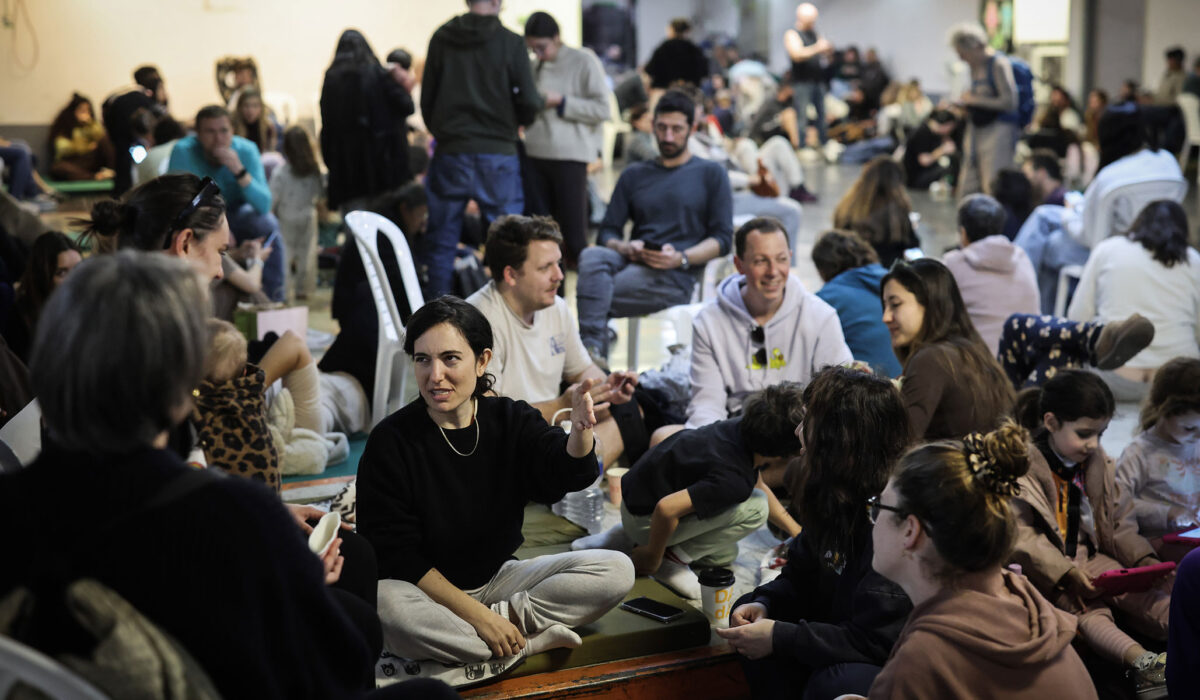
Private citizens laughing together in hard times is a sign of resilience, not weakness. It’s how communities process fear and keep panic from becoming policy. Conservatives should welcome that impulse because it reinforces local bonds and private civic life, rather than expanding central control.
There is a dangerous edge when humor shifts from satire to surrender. Jokes that normalize lawlessness or erode belief in institutions can make chaos seem inevitable. That’s why protecting the institutions that earn respect matters more than policing punchlines.
Media platforms amplify certain jokes and hush others, and that curation shapes national mood. When big outlets treat satire as a tool to delegitimize political opponents, it stokes division instead of common ground. A responsible press would cover the laugh lines and the reasons behind them with equal seriousness.
Political class resentment often fuels the funniest material, but the real test is whether laughter leads to repair or retreat. If it motivates citizens to demand competence and accountability, it strengthens democracy. If it becomes a coping mechanism that substitutes for civic action, that is a problem.
Freedom of speech and freedom of assembly are the backstops here; they let legitimate grievances be aired before they calcify into contempt. Conservatives value those freedoms because they empower individuals and local institutions to correct abuses without central coercion. Preserving those liberties keeps humor from becoming a substitute for governance.
Practical habits matter: robust civic institutions, active family life, voluntary associations, and local journalism all anchor public trust. Humor that reinforces community solidarity helps those structures hold during crises. Humor that isolates and cynically divides can accelerate institutional decay.
So watch the jokes and listen to the laughter, but don’t mistake levity for a policy plan. Laughter tells you where people are afraid and what they distrust, and that information should guide repair, not ridicule. Keep the freedoms that allow people to laugh, and strengthen the institutions that deserve their trust.