

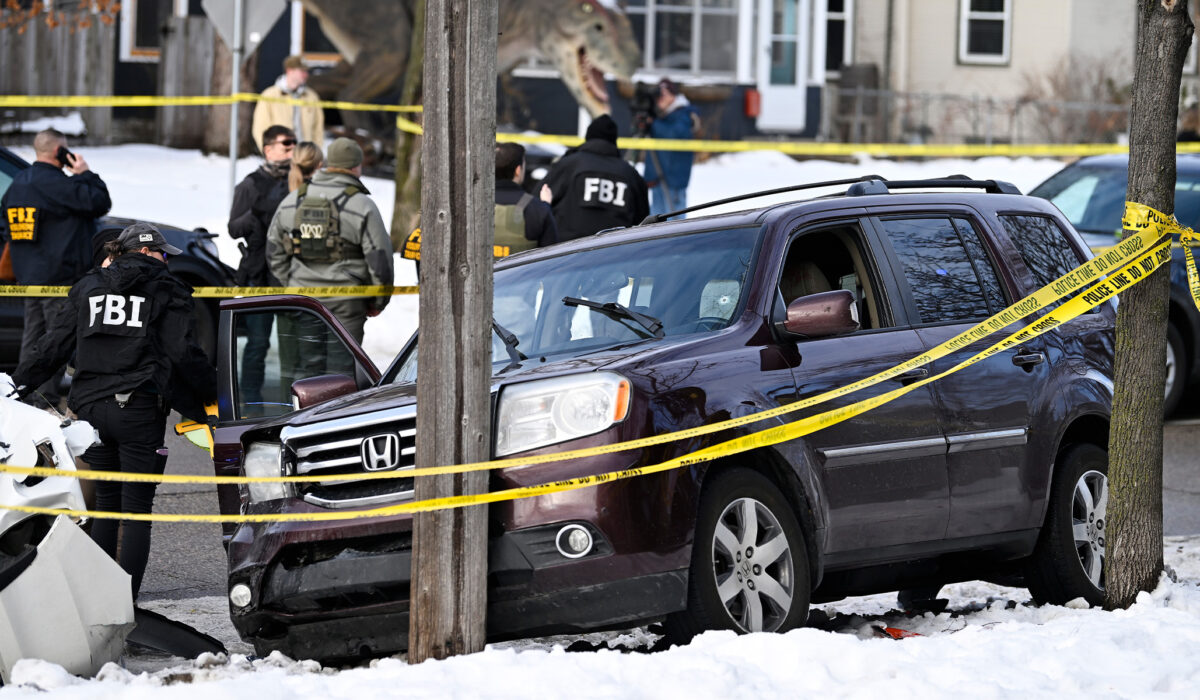
ICE Officer’s Split-Second Choice: Who Created the Danger?
The ICE officer never would have had to decide in a split second whether he was in mortal peril if the driver hadn’t created the predicate for the shooting in the first place. That fact matters because it changes how we view responsibility and risk on the street. When someone sets the scene for violence, the law and public safety are forced to respond instantly.
Officers in immigration enforcement face complicated scenes where every second counts and hesitation can cost lives. From a law-and-order perspective, we must accept that training and judgment are the tools used when threats appear immediate. That reality does not replace oversight, but it does shape reasonable expectations for split-second decisions.
Accountability matters, and it should apply to both the officer and the person who escalated the encounter. If a driver acts in a way that creates a lethal context, that behavior becomes central to any investigation. Determining who started the peril is not about excusing errors; it is about getting the facts straight.
The broader public wants clarity: was the officer reacting to a genuine threat or to circumstances that could have been avoided? Evidence such as dashcam footage, witness testimony, and forensic analysis must drive that answer. Republicans tend to emphasize supporting law enforcement while insisting investigations be thorough and transparent.
Policy discussions should focus on preventing needless confrontations without tying officers’ hands when they confront real danger. Training that emphasizes de-escalation is useful, but so is training that prepares agents for violent, unpredictable conduct. The goal should be fewer deadly encounters and fair treatment for those involved.
It is also fair to ask what the driver was doing just before the shooting and why those actions made the officer fear for his life. Reckless behavior, attempts to flee, or sudden aggressive moves can instantly alter an interaction’s danger level. Those facts form the backbone of whether a use of force was reasonable.
Citizens deserve a system that balances officer safety with civil liberties, not one that reflexively vilifies enforcement. Political rhetoric that ignores context only deepens mistrust and undermines useful reform. A constructive approach looks at patterns, training deficiencies, and how to deter the behavior that creates such perilous moments.
Investigations must be independent enough to be credible but grounded in the realities officers face on the ground. Rush to judgment before evidence is reviewed feeds division and can leave dangerous behavior unaddressed. A measured process protects both public safety and the rights of individuals involved.
In the end, examining who created the predicate for the shooting is not a side note; it is the central issue that separates culpability from consequence. That scrutiny should guide policy, training, and public discussion moving forward. Facts matter, and getting them right will determine whether justice is served.