

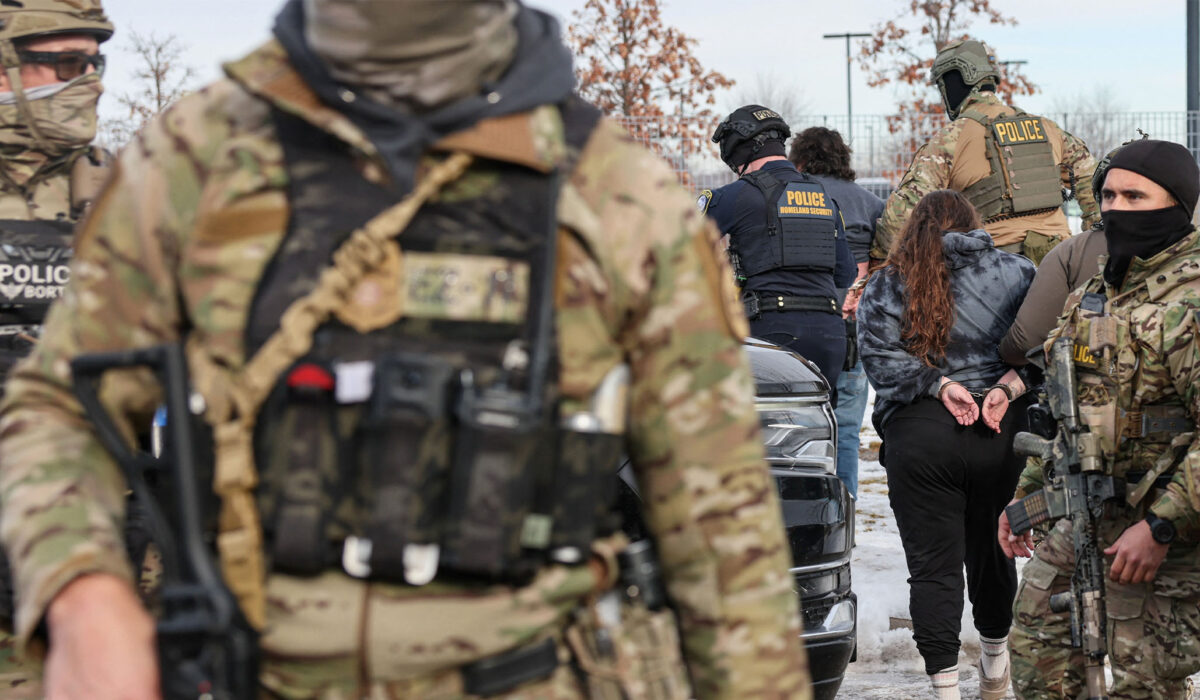
Minneapolis Shooting: Social Media, Speed, and the Cost of Assumptions
The deadly ICE shooting in Minneapolis exploded across social platforms within minutes, reshaping the narrative before investigators had a chance to speak. Rapid clips, hot takes, and outrage loops replaced context with conclusions. That speed matters because public opinion now moves faster than the facts.
The pattern is familiar: a short video, a headline-ready quote, and a hundred people declaring they know what happened. That cascade of certainty creates pressure on officials to act on perception rather than proof. We all lose when conclusions outrun evidence.
It’s worth saying plainly: so-called internet ‘experts’ do not deserve the moniker. Too often the loudest voices are the least informed, trading depth for clicks and certainty for performance. That behavior corrodes trust and complicates actual investigations.
From a conservative perspective, this incident raises three clear priorities: respect for the rule of law, protection for federal officers doing dangerous work, and a demand for a fair, transparent inquiry. ICE agents operate in volatile situations and should not be condemned in the media without a full accounting. Accountability matters, but it must be based on facts and procedure.
Look at the incentives at play: influencers gain traction by stoking outrage, local politicians chase headlines, and national outlets amplify the hottest angle. Those forces create a narrative economy where speed and simplicity win. The result is often selective outrage rather than consistent principles.
Evidence will be the deciding factor, and that means body camera footage, witness statements, and forensic data. Jumping to conclusions undermines the evidentiary process and can taint witness memory and jury pools. Demand for immediate answers should not drown out the need for a thorough investigation.
There’s a human cost to rushed judgments: families grieve amid public trials by social feed, and officers face vilification before internal reviews or criminal probes conclude. That environment damages morale across law enforcement and federal agencies tasked with public safety. Responsible discussion preserves both compassion and order.
Local leaders should insist on clear, prompt, and transparent steps: secure the scene, preserve evidence, release verified information on a responsible timeline, and allow independent oversight. Political grandstanding shouldn’t substitute for structured, lawful process. Citizens deserve both truth and due process.
Media outlets and platform users bear responsibility too; accuracy is not a negotiable luxury in moments like this. Encourage patience, prioritize verified reporting, and resist the urge to amplify claims that haven’t been corroborated. A calmer approach helps investigators do their jobs and serves the public interest without feeding rumor mills.
What happens next must be procedural and measured: an independent review, clear communication from authorities, and a legal process that follows the facts where they lead. Public debate is healthy, but it’s driven best by verified information and steady leadership rather than the rush to judgment that often follows tragedy.