

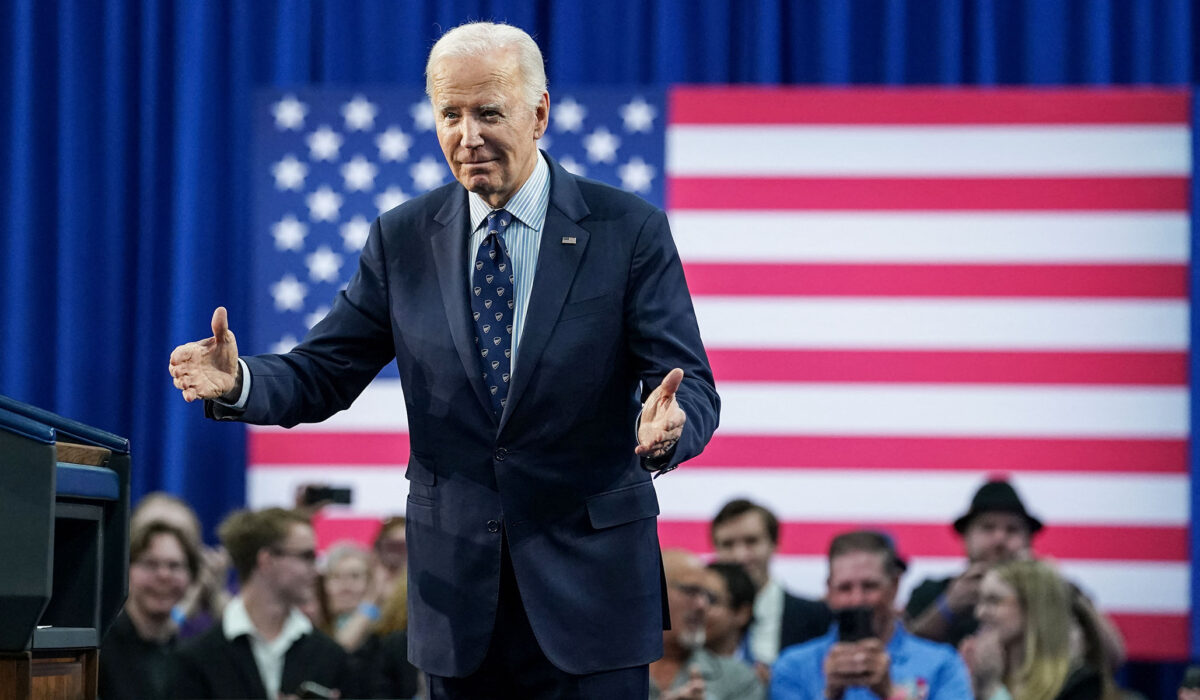
The Biden Image Is Back: A Familiar Caricature Returns
What looks like a comeback for the caricature Joe Biden’s team once cultivated is happening right now, and it matters. Republicans see it as a predictable pattern of optics over substance. Voters who noticed the first time are ready to judge the performance, not the fiction.
For years, Democratic messaging relied on a blend of staged warmth and rehearsed gaffes that softened real policy questions. That technique turned into a caricature many of us mocked, and now those same tactics are resurfacing. The result is a recycled persona meant to distract from record and responsibility.
Effective political theater hides strategic failures behind personality. When campaigns lean on caricature, they signal they have fewer answers on policy and results. Conservatives should call that out plainly and point voters back to tangible outcomes.
Media training can polish stagecraft but it cannot erase policy choices that affect everyday life. People feel higher prices, slower growth, and weaker borders, and no amount of warm imagery changes those facts. A voter’s experience matters more than a well-crafted moment.
Expect the opposition to push nostalgia and empathy as shields against criticism. They’ll lean into familiar lines about experience and decency to neutralize policy debate. Republicans need to match blunt critique with clear contrasts on competence and priorities.
This comeback attempt also exposes a deeper strategic weakness: relying on image over answers is a short-term play. When scrutiny shifts from optics to performance, the gaps appear quickly. That’s where conservative messaging can be decisive.
Campaigns that reuse caricatures risk alienating practical, middle-class voters who want solutions, not scripts. Highlighting lived consequences of administration choices connects more than clever ads. Republican communication should focus on measurable improvements and policy wins.
The caricature gambit also reveals how the left tries to control the story through sympathetic soundbites. It’s a reminder that narrative is manufactured, not discovered. Exposing that manufacturing undercuts the narrative’s persuasive power.
Grassroots voters value authenticity, but they also value results, and they can tell the difference between sincerity and staged emotion. Pointing out the mismatch between image and impact is a persuasive approach. It reframes the debate around lived reality.
At the same time, conservatives should avoid descending into caricature themselves. The goal is to be credible and steady while emphasizing clear policy alternatives. Voters respond when criticism comes with concrete, believable plans.
Watch for repeated patterns: photo ops, sympathetic lines, choreographed moments that replay earlier campaigns. Call them out directly and show how they fail to address the problems people face. That keeps the issue from becoming a distraction.
Finally, the public will decide whether the theatrical approach convinces or rings hollow. If the comeback of this manufactured persona succeeds, it will be because it masks deeper policy failures that remain unchallenged. If it fails, it will be because voters moved on to weigh results over rhetoric.