

Free Navigation and American Strength
If our forces can’t restore free navigation, it will represent a significant failure of a traditional pillar of U.S. power. That idea sits at the center of how the United States projects influence across oceans and supports global commerce. It is a blunt standard by which allies and rivals measure American resolve.
Freedom of the seas is more than a legal principle. It is the living condition for trade routes that carry energy, food, and manufactured goods to markets worldwide. When those routes are contested, prices rise and supply chains wobble.
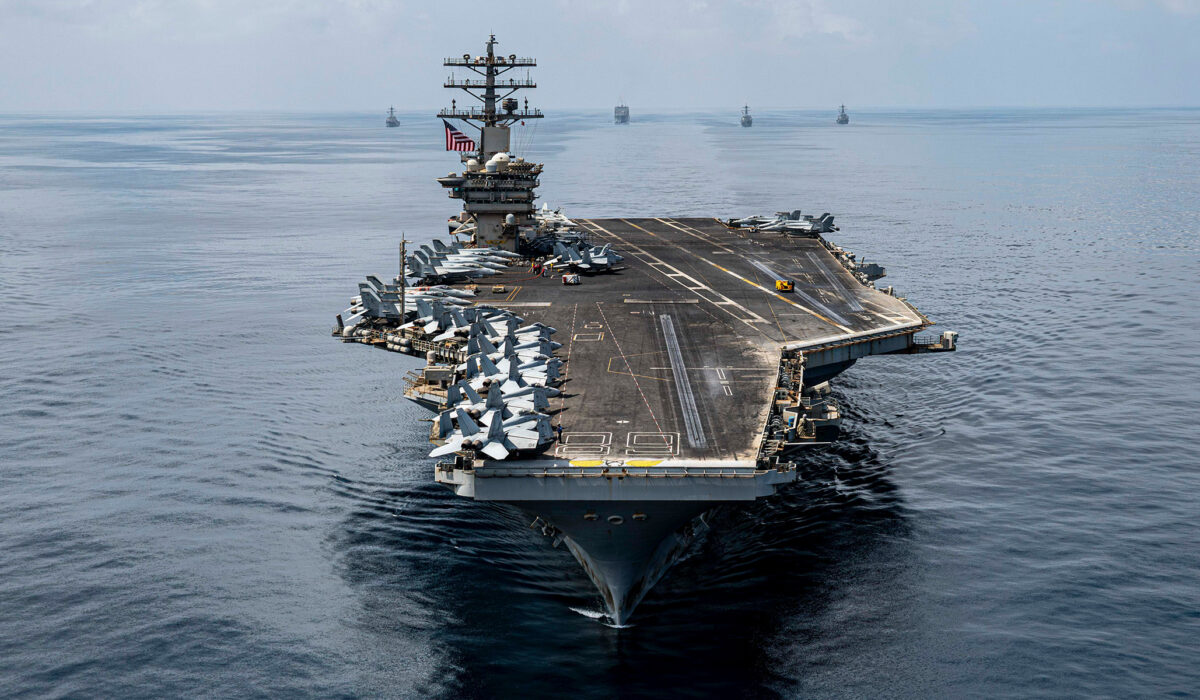
Military power has long been the backstop that keeps those lanes open. Carrier strike groups, forward bases, and regular patrols create predictable patterns that deter coercion. When ships, sailors, and aircraft stop showing up, deterrence frays fast.
For Republicans, the response is straightforward: strength, clarity, and commitment. Strength means enough ships, submarines, and aircraft to operate persistently. Clarity means public rules of engagement that make U.S. action predictable and credible.
Commitment ties to budgets and industry. A capable navy and supporting industrial base require steady funding and long-term shipbuilding plans. Without that continuity, surge capacity disappears and adversaries take notice.
Alliances multiply American power. Partner navies help share patrols, provide basing, and create regional norms. Investing in those ties yields a force far larger than what the U.S. could sustain alone.
Economic tools matter alongside steel and sonar. Sanctions, export controls, and targeted tariffs change the calculus for states that rely on coercive tactics at sea. These measures must complement, not replace, a visible naval presence.
Rules of engagement should be clear and public. Ambiguity invites miscalculation and accidental escalation. Saying what we will defend and how we will respond keeps opponents guessing in favorable ways.
Operational readiness is often invisible until it is gone. Training, maintenance, and munitions stocks win tomorrow’s fights today. Neglect those basics and commanders face constrained options in moments that matter.
Intelligence and surveillance give the advantage of time. Persistent sensors and data sharing let commanders shape crises before they explode. Investing in these capabilities reduces the need for blunt force and increases strategic flexibility.
Domestic politics shape foreign policy in tangible ways. Voters must understand that free navigation fuels American prosperity and security. Elected leaders who cut corners on defense invite strategic risk.
When confrontation happens, messaging matters. Publicly tying naval operations to clear national interests and allied commitments reduces the chance of misreading U.S. intentions. That kind of communication complements the physical posture of forces at sea.
Deterrence is not guaranteed by rhetoric alone. It is built on sustained action, credible capacity, and allied cohesion. Every gap in those elements is an invitation for challengers to press their advantage.
Failing to restore free navigation would be a hard lesson in what happens when capability, policy, and political will drift apart. The practical answer is a policy mix that funds readiness, rallies partners, and leverages economic measures alongside persistent forward presence.