

Iran Is Fraying: Ordinary People Pushed to a Breaking Point
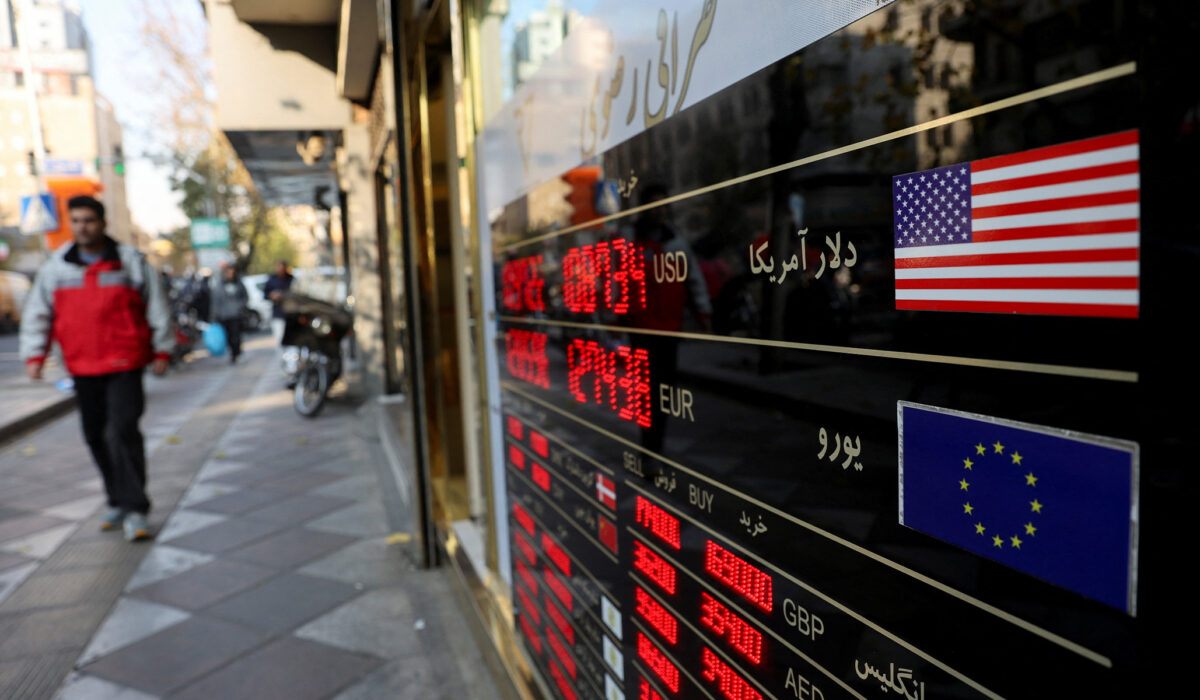
The streets of Iran are full of anger and fear as ordinary people face crushing economic pain and relentless political repression. Food, fuel, and basic goods have become harder to afford while the rial tumbles and inflation soars. The regime promises stability but fails to deliver day after day.
Longstanding grievances have turned into open defiance in many cities, where protests and strikes have become regular occurrences. Security forces answer with arrests, beatings, and public trials to try to scare people back into silence. That repression only deepens the public’s mistrust and desperation.
At the heart of the crisis is a combination of economic mismanagement and corruption that funnels wealth to a narrow circle while the majority struggles. Subsidies that once softened shocks are gone or ineffective, and state-controlled sectors block private investment and job growth. Ordinary Iranians pay the price for a system that protects elites at the expense of the nation.
International pressure in the form of sanctions has aimed at the regime’s networks, but those measures also complicate life for regular citizens who need banking, medicine, and trade. Republicans argue that sanctions should target kleptocrats and their assets, not ordinary people, and should be paired with clear signals of moral support for the protesters. Hard, smart pressure can squeeze the power brokers without abandoning the Iranian people.
Religious authorities and the security apparatus cling to power through a mix of violence and propaganda, trying to claim that unrest is foreign-instigated. That narrative erodes credibility when crowds chant their own grievances and demand tangible changes. The more the regime talks about outside enemies, the less it answers how people will put bread on the table.
One undeniable fact is that the Iranian middle class is shrinking as professional opportunities disappear and inflation wipes out savings. Young people in particular face bleak prospects: high unemployment and limited freedoms push many to consider leaving if they can. This brain drain hurts Iran’s future and deepens the cycle of stagnation.
Regional stability depends on whether Tehran can maintain internal control without exporting instability. When regimes are unstable at home, they often act aggressively abroad to distract and rally supporters. That kind of behavior makes neighboring countries and the United States less secure.
From a Republican viewpoint, America should make clear that it stands with the Iranian people, not the clerical rulers. That means public backing for human rights and safe channels for refugees and dissidents, combined with measures that go after the regime’s leaders and enablers. Strength should be matched with a moral clarity that the United States supports freedom and accountability.
Diplomacy that rewards bad behavior will not fix Iran’s internal rot. Deals that lift sanctions without verifiable, permanent changes in behavior merely replenish the regime’s war chests. Any engagement should be conditional on real reforms that improve life for ordinary Iranians and reduce the power of the security state.
The mood inside Iran is fragile and change could come faster than many expect, especially if economic collapse accelerates or if grassroots movements sustain pressure. The international community must be realistic about what tools will reach the ruling elites and which will unfairly burden the people. Policy must aim to empower citizens and isolate the corrupt core of the regime without abandoning the human beings caught in the middle.
The images and reports coming out of Iran are a reminder that authoritarian systems eventually meet a limit if they refuse to reform. The next phase will be shaped by whether internal resistance grows, whether elite fractures widen, and how outside powers respond. Ordinary Iranians deserve a future where they can prosper and govern themselves without fear.